
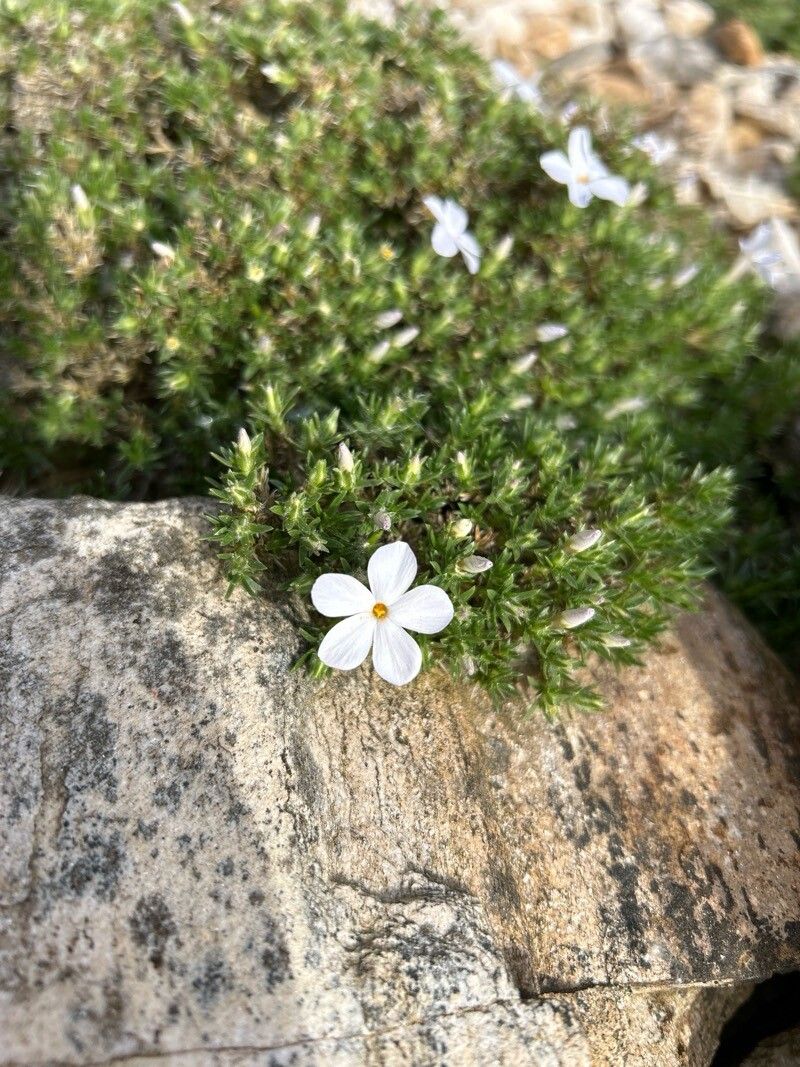
Propagating Phlox diffusa: Unveiling the Secrets of the Spreading Phlox
Phlox diffusa, commonly known as Spreading Phlox or Creeping Phlox, is a captivating groundcover prized for its sprawling habit and profuse, vibrant blooms. Native to the western United States, this low-growing perennial boasts delicate, star-shaped flowers in shades of pink, purple, and white, creating a stunning display in gardens and landscapes. Its adaptability to various conditions and ease of maintenance contribute to its enduring popularity among gardeners. However, propagating this charming plant presents a unique set of challenges and rewards.
Seed Germination:
Currently, there are no known reliable methods for seed germination propagation of Phlox diffusa. While seeds may be produced, their germination rate is exceptionally low and unpredictable, making this method impractical for most gardeners. The challenges include a potentially extended dormancy period and a high susceptibility to fungal diseases during germination.
Cuttings:
Cuttings present a more viable option for propagating Phlox diffusa.
Challenges: Success rates can vary depending on the timing and technique. Using older, more mature stems might produce lower success rates.
Practical Tips: Take semi-hardwood cuttings in late spring or early summer from healthy, non-flowering shoots. Remove lower leaves and dip the cut ends in a rooting hormone before planting them in a well-draining propagation mix. Maintain consistently moist (but not soggy) conditions and high humidity, ideally under a plastic dome or misting system, to stimulate root development.
Rewards: Cuttings offer a reliable way to produce genetically identical plants, preserving desirable characteristics of the parent plant. It’s fairly efficient for smaller numbers of plants.
Division:
Division is arguably the easiest and most successful method for propagating Phlox diffusa.
Challenges: The best time for division is during the early spring or fall. Dividing too early or too late can result in weaker plants. Improper division can damage the root system.
Practical Tips: Carefully dig up an established clump of Phlox diffusa and gently separate it into smaller sections, each with its own roots and several stems. Replant the divisions immediately, ensuring they are spaced appropriately to allow for growth. Water well after planting.
Rewards: Division is relatively quick, simple, and offers high success rates. This is the most common propagation method for enthusiasts.
Tissue Culture:
Tissue culture is a sophisticated technique not typically employed by home gardeners for Phlox diffusa propagation.
Challenges: This method requires specialized equipment, sterile conditions and expertise, making it expensive and impractical for most.
Practical Tips: This method involves sterilizing plant tissues and growing them on a nutrient medium in a controlled environment. This is best left to professional nurseries.
Rewards: Tissue culture allows for very large-scale propagation and the elimination of diseases, however, it’s generally not cost-effective or practical for home gardeners.
Conclusion:
Propagating Phlox diffusa presents distinct challenges depending on the chosen method. While seed propagation is largely unreliable, cuttings offer a moderately successful approach, and division stands out as the easiest and most rewarding method for home gardeners. Tissue culture, while capable of mass production, remains out of reach for most hobbyists. The satisfaction of successfully propagating this beautiful plant, however, is uniquely rewarding. Overcoming the hurdles of propagation deepens one’s connection with the plant and highlights the resilience and beauty of this charming groundcover. For aspiring propagators, start with division; it’s the key to unlocking the joy of cultivating more of these delightful blooms in your own garden.