
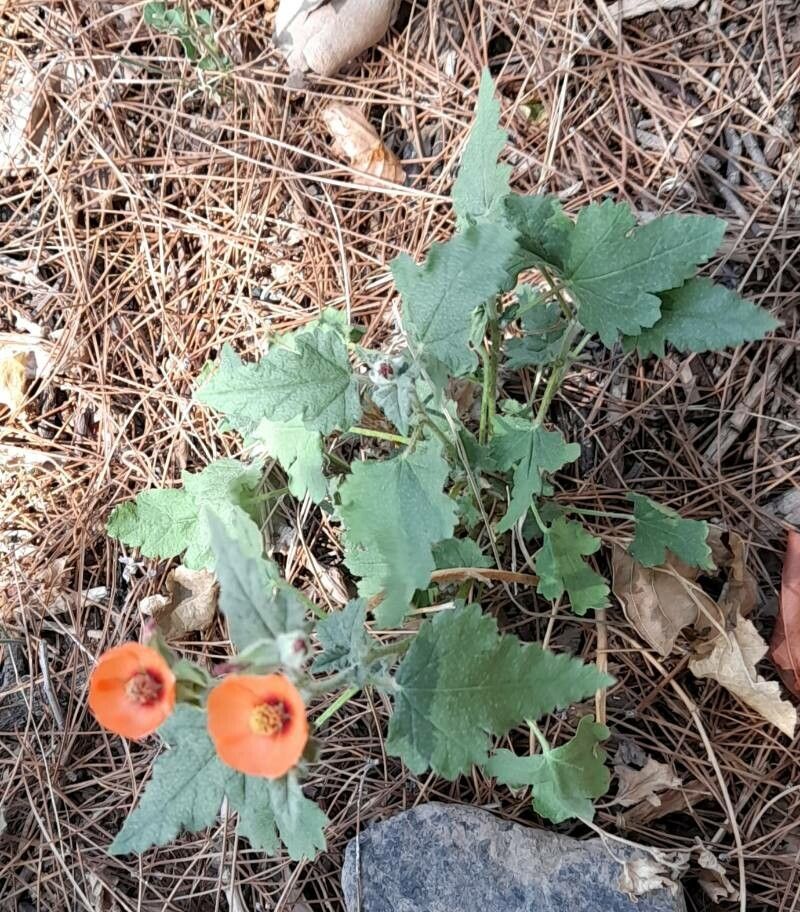
Propagating the Desert Globemallow (Sphaeralcea miniata): A Gardener’s Guide
Introduction:
Sphaeralcea miniata, commonly known as the Desert Globemallow, is a captivating shrub native to the southwestern United States and Mexico. This drought-tolerant beauty boasts vibrant, cup-shaped flowers in shades of scarlet, orange, and yellow, providing a striking splash of color in arid landscapes. Its resilience and attractive blooms have made it a popular choice among gardeners seeking low-maintenance, water-wise plants. However, propagating Sphaeralcea miniata can present unique challenges, making successful propagation a rewarding experience. This article explores various propagation techniques, highlighting their successes and drawbacks.
Seed Germination:
Seed germination of Sphaeralcea miniata is possible, but often presents significant challenges. Germination rates can be low and inconsistent. Seeds may require a period of stratification (cold treatment) to break dormancy. This involves placing the seeds in moist conditions (e.g., damp vermiculite or peat moss) at cool temperatures (around 35-40°F/ 2-4°C) for several weeks before sowing. Sowing should be done in well-draining seed-starting mix, keeping the surface consistently moist but not soggy. Warm temperatures (70-75°F/21-24°C) are helpful after stratification.
Challenges: Low germination rates, inconsistent germination, requirement for stratification.
Tips: Stratify seeds before sowing, use well-draining seed-starting mix, maintain consistent moisture.
Rewards: Genetic diversity, potential for large-scale propagation, introduction of new genetic combinations.
Cuttings:
Propagating Sphaeralcea miniata from cuttings is a considerably more reliable method than seed germination. Semi-hardwood cuttings taken in late summer or early fall generally root successfully. Cuttings should be 4-6 inches long, taken from non-flowering stems. Remove lower leaves to prevent rot and dip the cut ends in rooting hormone before planting in a well-draining mixture (e.g., perlite and peat moss). Maintain high humidity (e.g., using a humidity dome or plastic bag) and consistent moisture until roots develop, typically within 4-6 weeks.
Challenges: Requires precise timing, needs careful humidity and moisture control.
Tips: Use rooting hormone, maintain high humidity, provide adequate light (but avoid direct sun).
Rewards: Faster propagation compared to seed, maintains parent plant characteristics.
Division:
Division is a viable propagation method, especially for established plants. This involves carefully digging up the mature plant and separating it into smaller sections, each with its own roots and shoots. Replant these sections immediately in well-draining soil, ensuring proper watering.
Challenges: Requires an established plant, potentially damaging the parent plant if not done carefully.
Tips: Use a sharp spade or trowel, handle the plant carefully to minimize damage to roots, replant immediately.
Rewards: Quick method for established plants, maintains parent plant characteristics.
Tissue Culture:
Tissue culture propagation of Sphaeralcea miniata is possible but requires specialized laboratory equipment and expertise. This method involves growing plantlets from small pieces of tissue in a sterile environment using nutrient media. While it offers the advantage of rapid, large-scale propagation and disease-free plants, the process is complex and expensive.
Challenges: Requires specialized equipment and expertise, expensive and time-consuming process, requires a sterile environment.
Tips: Seek a professional with tissue culture expertise.
Rewards: Mass propagation, disease-free plants, genetically identical plants.
Conclusion:
Propagating Sphaeralcea miniata presents unique challenges across all methods, with seed germination being the least reliable. Cuttings offer a more consistent and straightforward approach for the home gardener, while division provides a quick option for established plants. Tissue culture offers the possibility of large-scale propagation but is a specialist method. Understanding these challenges and employing the appropriate techniques is crucial for success. The reward for successfully propagating this beautiful plant, however, is immense, providing a deep sense of satisfaction and the opportunity to share this desert gem with others. Don’t be discouraged by initial setbacks; with patience and persistence, you too can enjoy the vibrant beauty of the Desert Globemallow you’ve propagated yourself.