
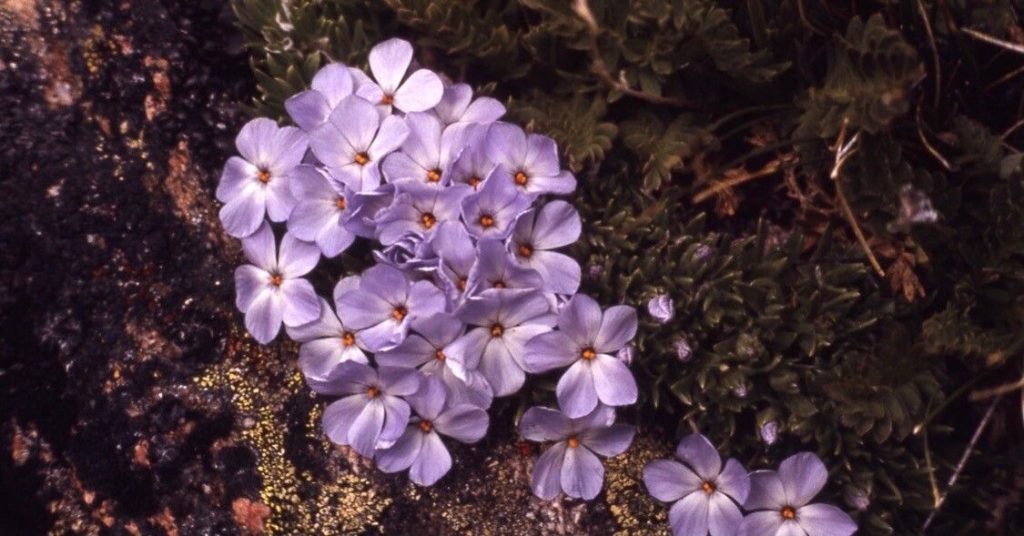
Propagating the Moss Phlox: A Gardener’s Guide to Phlox pulvinata
Introduction:
Phlox pulvinata, commonly known as Moss Phlox, is a low-growing, mat-forming perennial prized for its vibrant, star-shaped flowers and dense, moss-like foliage. Native to the southeastern United States, its compact habit makes it ideal for rock gardens, borders, or as ground cover. Its popularity stems from its striking blooms, drought tolerance once established, and its ability to thrive in poor soils. While relatively easy to maintain, propagating Moss Phlox can present unique challenges, making successful cultivation all the more rewarding. Its compact nature makes seed production less prolific than in taller phlox species and influencing preferred propagation methods.
Seed Germination:
Currently, there are no known reliable methods for seed germination propagation of Phlox pulvinata. While seed may be produced, germination rates are exceptionally low, making this method impractical for most gardeners. The challenges likely stem from the plant’s specific germination requirements, which remain largely unknown. Therefore, other propagation methods are far more effective.
Cuttings:
Cuttings offer a reliable method for propagating Moss Phlox.
- Challenges: Success requires attention to detail. Cuttings should be taken from healthy, actively growing stems. Overwatering or poor drainage can lead to rotting.
- Practical Tips: Take semi-hardwood cuttings in late spring or early summer. Use a sharp knife or shears to take 4-6 inch cuttings, removing lower leaves to prevent rot. Dip the cut ends in rooting hormone and plant them in a well-draining potting mix. Maintain high humidity (e.g., using a propagation dome or plastic bag) and consistent moisture but avoid soggy conditions. Rooting may take several weeks.
- Rewards: Cuttings provide a relatively quick and efficient way to produce genetically identical plants, preserving desirable traits. This is ideal for propagating a specific cultivar or a particularly robust plant.
Division:
Division is perhaps the easiest and most successful method for propagating Phlox pulvinata.
- Challenges: Division is best done during the plant’s dormant period in spring or fall, requiring careful handling to avoid damaging the delicate roots. Over-division can weaken the parent plant.
- Practical Tips: Gently lift the mature plant from the ground. Carefully separate the plant into smaller sections, each with its own roots and several stems. Replant the divisions immediately, ensuring adequate spacing for growth.
- Rewards: Division allows for quick multiplication of existing plants, resulting in rapid expansion of the moss phlox patch. This method is straightforward and highly reliable.
Tissue Culture:
Tissue culture is a more advanced technique rarely required for home propagation of Phlox pulvinata.
- Challenges: This method requires specialized equipment, sterile conditions, and a knowledge of plant tissue culture techniques. It is expensive and time-consuming.
- Practical Tips: This method is usually practiced in a laboratory setting by those with specialized equipment and training. Procedures involve sterilizing plant material and growing it in a nutrient-rich media.
- Rewards: Tissue culture offers the potential for mass propagation of disease-free plants, preserving valuable genetic material, and creating large quantities of uniform plants.
Conclusion:
Propagating Phlox pulvinata presents specific challenges, primarily due to its low seed germination rate. However, cuttings and, particularly, division, offer straightforward and reliable methods for gardeners of all experience levels. The satisfaction derived from successfully cultivating this beautiful plant from a cutting or division is amplified by the knowledge that you’ve overcome these hurdles. While tissue culture offers potential for large-scale production, it is generally unnecessary for the home gardener. Remember to be patient and meticulous in your propagation efforts, and appreciate the unique beauty that results from your efforts. With proper techniques, you’ll be well on your way to enjoying a lush display of Moss Phlox in your garden.