
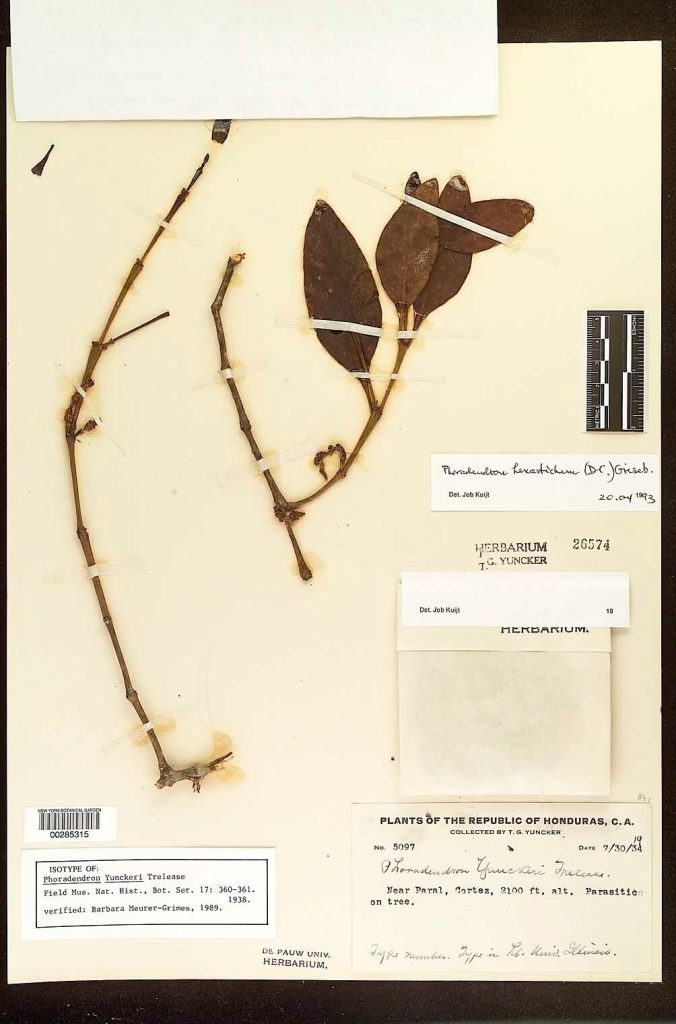
Propagating Mistletoe (Phoradendron hexastichum): A Horticultural Challenge
Introduction:
Phoradendron hexastichum, commonly known as mistletoe, is a hemiparasitic plant captivating gardeners with its intriguing life cycle and charming appearance. This species, prevalent in the southeastern United States, adorns trees with its vibrant green clumps of leaves and produces small, white berries, often used in holiday traditions. Its unique parasitic nature, however, presents significant challenges in propagation, making successful cultivation a rewarding feat for experienced enthusiasts. While mistletoe’s propagation is rarely undertaken by the average home gardener, understanding the various methods and their complexities can offer valuable insight into the plant’s biology and the intricacies of plant propagation.
Seed Germination:
Currently, there are no known reliable methods for seed germination propagation of Phoradendron hexastichum. The mistletoe seed requires a specific set of circumstances, including a suitable host tree and a precise method of attachment, to germinate successfully. The sticky seed coat, while assisting in adherence, often hinders germination under controlled conditions. Further research is needed to determine if specific germination requirements can be replicated artificially.
Cuttings:
Propagating Phoradendron hexastichum through cuttings presents significant challenges. The plant’s parasitic nature means it relies heavily on its host for water and nutrients; simply severing a stem and placing it in a growth medium is unlikely to result in successful rooting. While some anecdotal evidence suggests potential for success with very young, actively growing stems, the extremely high failure rate makes this method impractical for the average gardener. The difficulties include the plant’s susceptibility to desiccation and fungal diseases, making the survival rate incredibly low.
Division:
Division as a propagation method is not applicable to Phoradendron hexastichum. The plant grows as a single, interconnected mass on its host, making separation into viable, independent units impossible without killing the original plant.
Tissue Culture:
Tissue culture offers a potential, albeit complex, avenue for propagating mistletoe. This method involves growing plant tissues in a sterile, nutrient-rich medium under controlled conditions. Success with Phoradendron hexastichum necessitates specialized knowledge of plant tissue culture techniques, including the precise requirements for media composition, hormone levels, and sterile conditions. This method, while viable, requires significant investment in equipment, expertise, and materials. Rewards include the potential for mass propagation of genetically uniform plants, which could have implications for conservation efforts or further research into the species. The challenges, however, are considerable, requiring specialized laboratories and technical skills.
Conclusion:
Propagating Phoradendron hexastichum presents significant challenges across all discussed methods. While seed germination and cuttings show little promise, tissue culture offers a potential pathway, although it’s highly technical and resource-intensive. The unique parasitic relationship of mistletoe with its host underscores the intricate complexities of its survival, making its cultivation a testament to horticultural skill and patience. The reward, however, is substantial. Successfully propagating this fascinating plant, after overcoming the significant obstacles, offers a deep sense of accomplishment and a better understanding of the delicate balance of nature. For aspiring propagators, patience, perseverance, and potentially collaboration with researchers experienced in plant tissue culture are essential for success. The journey itself, filled with learning and challenge, might ultimately be more rewarding than the outcome.