
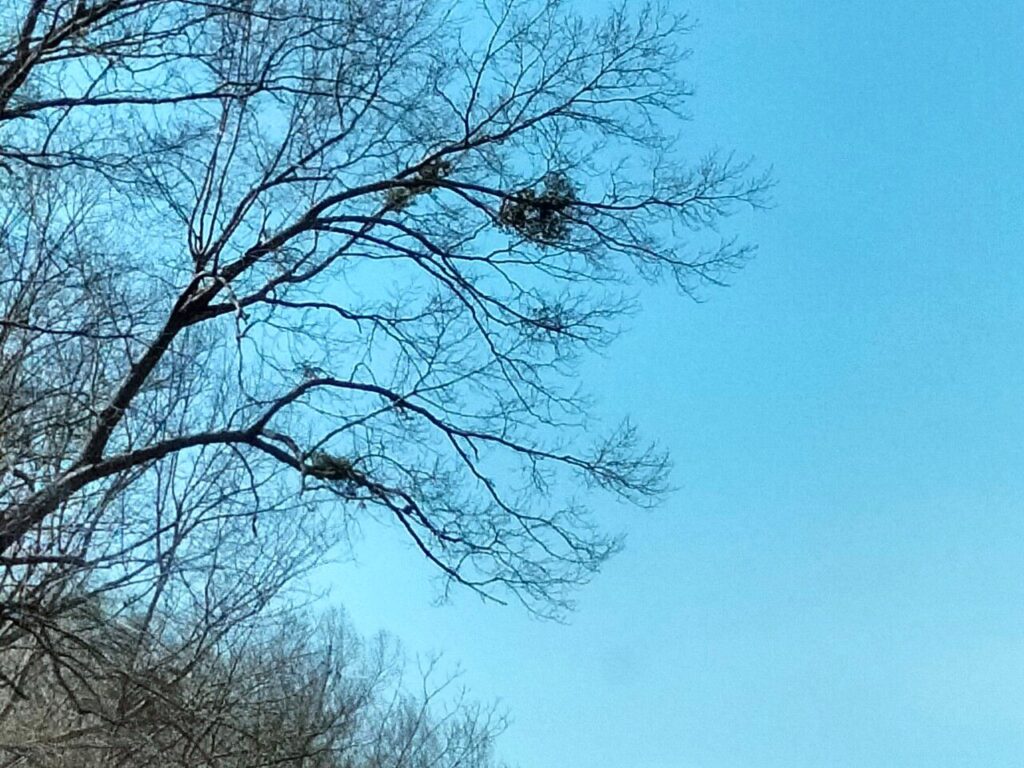
Kissing Under the Mistletoe? How Phoradendron Leucarpum Spreads Holiday Cheer (and Itself!)
The holidays wouldn’t be the same without a sprig of mistletoe hung strategically overhead, just waiting for that special someone to wander underneath. But did you know that this iconic plant has a fascinating, slightly mischievous way of ensuring its own survival? Let’s delve into the world of Phoradendron leucarpum, the American mistletoe, and discover how it propagates.
First, a slight myth-busting: Phoradendron leucarpum isn’t completely innocent in its quest for holiday cheer. Unlike most plants that root in the ground, mistletoe is a hemiparasite. It attaches itself to the branches of trees and shrubs, tapping into their vascular system to steal water and nutrients. However, it still contains chlorophyll and can photosynthesize, making it more of a freeloader than a complete parasite.
This “living on the edge” strategy plays a crucial role in its propagation. You see, mistletoe berries aren’t just decorative. Inside each pearly white berry lies a sticky, viscous seed. These seeds are the key to the mistletoe’s propagation, and they have a few ingenious tricks up their sleeve.
The Bird’s the Word (and the Sower): Birds, particularly species like cedar waxwings and bluebirds, adore the sugary pulp of mistletoe berries. After feasting, the birds unwittingly become flying seed dispersers. Remember those sticky seeds? They cling stubbornly to the bird’s beak and feathers. In a frantic attempt to clean themselves, the birds rub their beaks against tree branches, effectively planting the mistletoe seeds onto new hosts!
A Sticky Situation for Success: The seed’s sticky coating isn’t just for bird-beak-attachment. It also acts like a natural glue, firmly adhering the seed to the bark of the host tree. This is crucial for the seed’s survival, ensuring it stays put long enough to germinate and send out its root-like structures called haustoria. These haustoria penetrate the tree bark, tapping into the host’s water and nutrient supply.
Beyond the Birds: While birds are the primary dispersers, mistletoe doesn’t put all its eggs in one basket (or beak, in this case). Gravity, wind, and even rain can also play a role in seed dispersal, though to a lesser extent.
Mistletoe Management: While mistletoe adds festive charm and plays a role in the ecosystem, excessive growth can weaken and even kill its host tree. If you have mistletoe on your property, pruning it back regularly can help maintain a healthy balance.
So, the next time you find yourself standing under a sprig of mistletoe, take a moment to appreciate the fascinating biology at play. It’s a story of clever adaptations, opportunistic partnerships, and the enduring will to survive – even if it means stealing a few sips of water from an unsuspecting tree.