
Unlocking the Secrets of Phragmanthera dschallensis: A Guide to Propagation
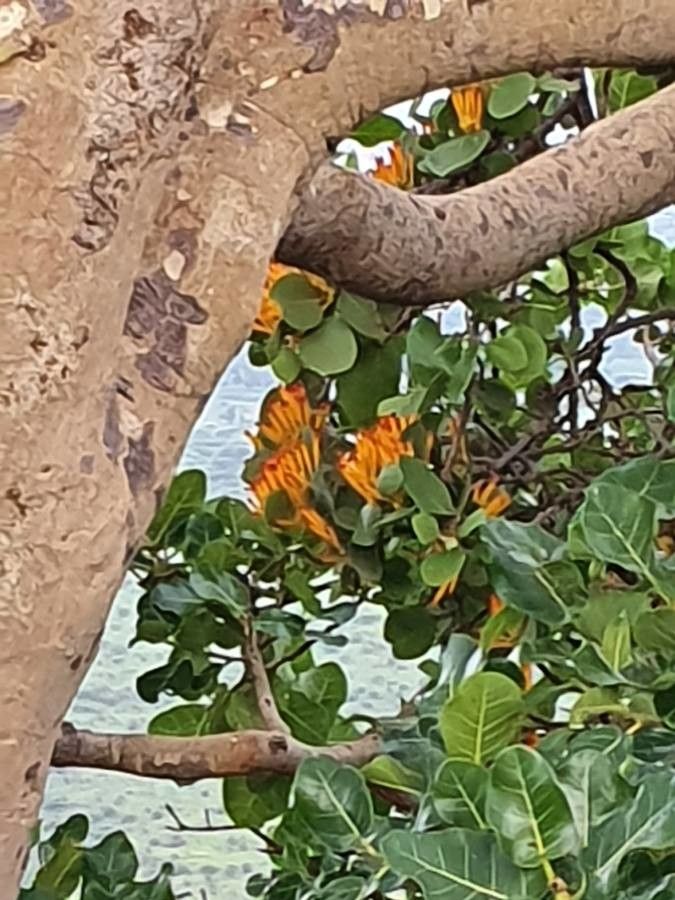
Phragmanthera dschallensis, a name that might sound like a mouthful, belongs to a fascinating group of plants known as mistletoes. Now, before you picture holiday decorations and sneaky kisses, this African native brings a unique beauty to the table. Instead of the traditional green, imagine vibrant, scarlet flowers bursting forth – a true spectacle of nature! But the allure of Phragmanthera dschallensis doesn’t stop at its looks. This parasitic plant holds within its life cycle a fascinating tale of propagation, one that involves a delicate dance with specific host plants.
If you’re among the adventurous souls intrigued by this unique botanical beauty, you might be wondering about the possibility of growing it yourself. While challenging, propagating Phragmanthera dschallensis is achievable with the right knowledge and a touch of patience. Let’s delve into the intricacies of bringing this scarlet wonder to life in your own garden.
Understanding the Parasitic Nature of Phragmanthera dschallensis
Before embarking on the propagation journey, it’s crucial to grasp the unique relationship Phragmanthera dschallensis has with other plants. This mistletoe is a partial parasite, meaning it draws some nutrients from its host plant while still being capable of photosynthesis. This crucial fact directly influences its propagation.
Seed Propagation: A Delicate Partnership
The most common method for propagating Phragmanthera dschallensis is through its sticky seeds. But here’s the catch – simply sowing them in regular soil won’t do the trick. Remember the host plant? This is where it comes into play.
- Choose the Right Host: Phragmanthera dschallensis shows a preference for particular hosts, often specific tree species native to its African habitat. Research and select a compatible host tree thriving in your region.
- Seed Collection and Preparation: Obtain fresh seeds from a reputable source, ensuring they haven’t dried out. Gently remove the fleshy outer layer, revealing the seed within.
- Sowing the Seeds: Choose young, healthy branches on your host tree. Using a clean, sharp knife, make a small, shallow incision on the branch’s surface. Carefully place the seed within this incision, ensuring good contact with the host plant’s vascular tissue.
- Patience is Key: It might take several weeks or even months for the seed to germinate and successfully establish a connection with the host. Monitor the seed closely for signs of growth, like the emergence of tiny, green shoots.
Challenges and Considerations
Propagating Phragmanthera dschallensis from seed isn’t always a walk in the park. Here are some challenges to be prepared for:
- Low Success Rate: Not all seeds will germinate, and even those that do may not always establish a successful connection with the host. Be prepared for some trial and error.
- Specific Host Requirements: Finding the right host plant can be tricky depending on your region and climate.
- Ethical Considerations: Always source seeds ethically to avoid harming wild populations.
Witnessing the Reward
Despite the hurdles, successfully propagating Phragmanthera dschallensis brings immense satisfaction. Witnessing the tiny seed develop into a thriving plant, adorned with brilliant red blooms, is a testament to your patience and understanding of this unique plant’s needs. So, if you’re up for the challenge and captivated by this scarlet wonder, embrace the journey of propagating Phragmanthera dschallensis – a rewarding endeavor for any plant enthusiast seeking something truly extraordinary.