
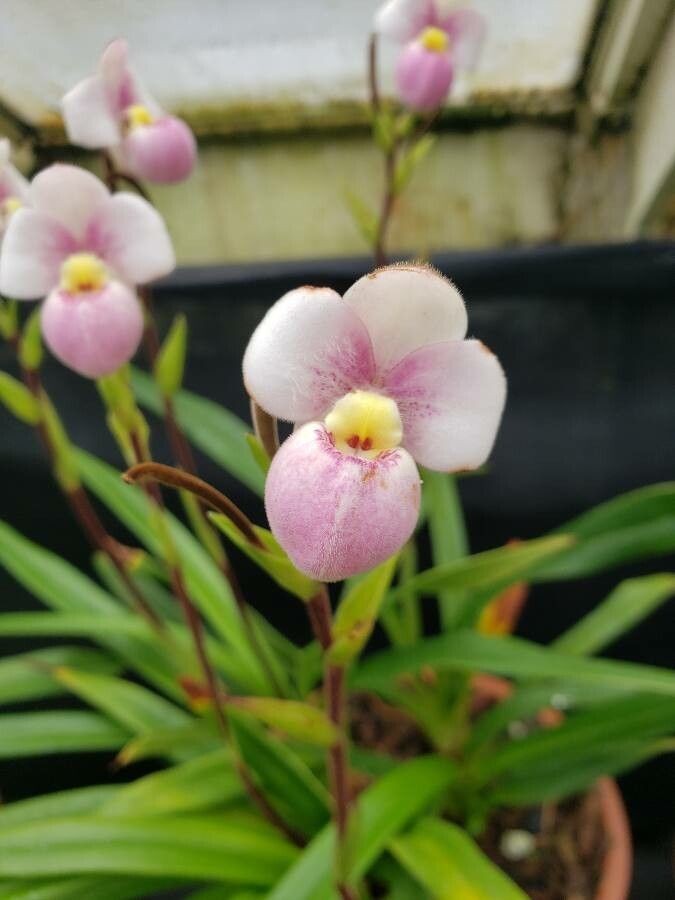
Propagating the Exquisite Phragmipedium schlimii: A Gardener’s Guide
Introduction:
Phragmipedium schlimii, also known as the Schlimii slipper orchid, is a captivating species prized for its delicate beauty and relatively compact size compared to other Phragmipedium orchids. Its flowers, typically a soft, pastel pink to rose, often exhibiting subtle veining, are highly sought after by orchid enthusiasts. While not as readily available as some other orchid species, its allure and unique characteristics make P. schlimii a desirable addition to any orchid collection. Propagating this species, however, presents several challenges that require patience, skill, and attention to detail.
Seed Germination:
Currently, there are no known reliable methods for seed germination propagation of Phragmipedium schlimii. Orchid seeds, including those of Phragmipedium, are extremely fine and lack endosperm (nutritive tissue). They require a symbiotic relationship with specific mycorrhizal fungi for successful germination, a relationship difficult to replicate in a controlled horticultural setting. While some research explores in-vitro germination techniques, consistent success with P. schlimii seeds remains elusive for the home grower.
Cuttings:
Cuttings are not a viable propagation method for Phragmipedium schlimii. Unlike some other plants, Phragmipedium orchids do not readily produce adventitious roots or shoots from stem cuttings.
Division:
Division is the most practical and reliable method for propagating Phragmipedium schlimii. This involves carefully separating mature plants into smaller divisions, each possessing several healthy growths and roots.
Challenges: Success hinges on ensuring each division has a sufficient root system and a healthy pseudobulb to support growth. Improper division can result in the death of the parent plant and/or the divisions.
Practical Tips: The best time for division is during the active growing season after flowering. Use a very sharp, sterile knife to avoid damaging the roots or pseudobulbs. Allow divided plants to dry slightly before potting them in a well-draining medium.
Rewards: Division offers a relatively straightforward way to increase the number of plants, preserving the genetic characteristics of the parent plant.
Tissue Culture:
Tissue culture remains the most promising method for large-scale propagation of Phragmipedium schlimii. This sophisticated laboratory technique involves growing plant tissues in a sterile environment with a precisely controlled nutrient medium.
Challenges: This method requires specialized equipment, aseptic techniques, and significant expertise. It’s not a feasible option for the average home grower.
Practical Tips: If attempting tissue culture, this should be undertaken by professionals with experience in orchid propagation.
Rewards: Tissue culture has the potential for rapid multiplication of P. schlimii, yielding a large number of identical plants (clones), preserving valuable genetic material and facilitating wider distribution of this exquisite orchid.
Conclusion:
Propagating Phragmipedium schlimii presents several challenges. While seed germination and cuttings are currently unreliable, division offers a practical approach for home growers. Tissue culture holds the greatest promise for large-scale propagation but requires significant specialized knowledge and resources. The rewards, however, are worth the effort. Successfully propagating this stunning orchid brings immense satisfaction, a testament to the grower’s dedication and understanding of this plant’s unique needs. The delicate beauty of the resulting plants serves as a constant reminder of the effort and persistence required to cultivate these exquisite orchids. For aspiring propagators, starting with division and learning about the plant’s specific requirements is highly recommended before venturing into more complex techniques. Remember patience and careful observation are key to success in growing and propagating Phragmipedium schlimii.