
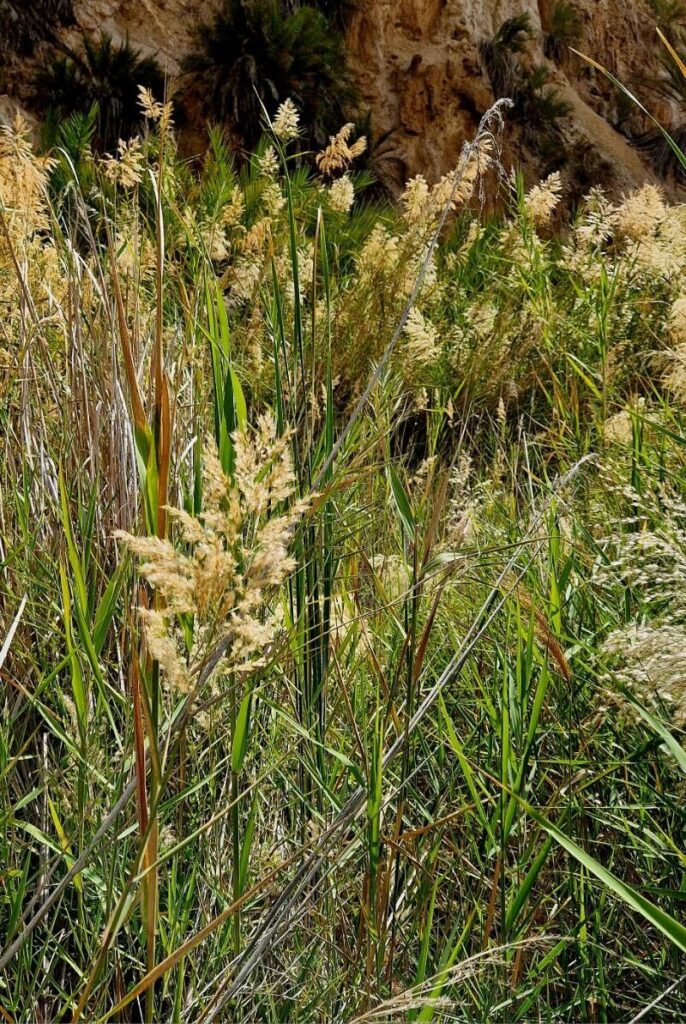
Taming the Reed: Propagating Phragmites mauritianus
Phragmites mauritianus, more commonly known as the common reed, is a plant often seen as both a blessing and a curse. On one hand, it provides vital habitat and filtration for wetland ecosystems. On the other, its rapid growth can be considered invasive, outcompeting native species. Whether you’re looking to cultivate a small stand for its beauty or manage its spread, understanding how to propagate Phragmites mauritianus is key.
The Power of Propagation
Phragmites mauritianus is a master propagator, utilizing several methods to ensure its survival:
- Seed dispersal: Each towering stalk of Phragmites can produce thousands of tiny, feathery seeds that spread readily by wind and water.
- Rhizome expansion: This is the plant’s secret weapon. Hidden beneath the soil, Phragmites develops an extensive network of rhizomes – underground stems that sprout new shoots. This allows it to quickly colonize large areas.
- Stem fragmentation: Even broken pieces of stem have the potential to root and establish new plants, making removal and control efforts challenging.
Putting Propagation to Work
Understanding these methods of propagation is essential for both encouraging and controlling Phragmites growth:
Cultivation:
- Seed Starting: While possible, starting Phragmites from seed can be challenging due to its low germination rate. Soaking the seeds in water for 24 hours prior to sowing can increase success. Sow seeds in a moist seed-starting mix and keep them at a warm temperature (around 70°F).
- Rhizome Division: This is the most effective method for propagating Phragmites. Simply dig up a section of rhizome in spring or fall, ensuring each division has at least one growth bud. Replant these divisions at the same depth they were growing previously.
Control:
- Prevent Seed Dispersal: Cutting down seed heads before they mature can help limit the spread of Phragmites.
- Rhizome Removal: This is the most effective long-term control method, but also the most labor-intensive. It often involves digging up extensive rhizome networks by hand or using specialized equipment.
- Herbicide Application: While effective, herbicides should be used cautiously and only by trained professionals, as they can harm other plant and animal life.
Responsible Management
Phragmites mauritianus is a powerful plant with the potential for both positive and negative impacts. Whether you are looking to harness its propagation abilities for intentional cultivation or need to manage its spread, understanding its lifecycle and various propagation methods is crucial.
Remember, responsible management means carefully considering the potential impact on your local ecosystem and choosing propagation and control methods that promote a balanced and healthy environment.