
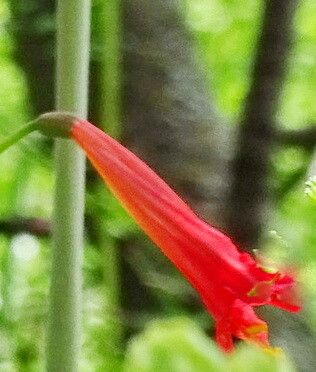
Unveiling the Secrets: How to Propagate the Fiery Phycella Cyrtanthoides
The Phycella cyrtanthoides, with its vibrant red, bell-shaped blooms, is a sight to behold. This South American beauty, sometimes called the Chilean Fire Lily, isn’t as well-known as other lilies, but its unique charm and relative ease of care make it a rewarding addition to any garden or home. Are you ready to welcome this fiery wonder into your life? Let’s explore the fascinating world of Phycella cyrtanthoides propagation!
Two Paths to Floral Glory: Seeds vs. Offsets
While the blooming process can seem magical, replicating it is well within your reach. You can propagate Phycella cyrtanthoides in two primary ways:
1. Starting from Seed: A Journey of Patience and Reward
Propagating from seed offers a sense of accomplishment like no other. Here’s what you need to know:
- Timing is Key: Sow your seeds in late summer or early fall. This timing aligns with their natural growth cycle.
- Creating the Perfect Nursery: Use a well-draining seed-starting mix and lightly press the seeds onto the surface, ensuring they receive light for optimal germination.
- Patience is a Virtue: Be prepared to wait. Germination can take anywhere from a few weeks to a couple of months. During this time, maintain a warm, bright environment and keep the soil consistently moist but not soggy.
- The Joy of First Growth: Once your seedlings sprout, continue caring for them until they’re robust enough to be transplanted individually into their pots. This process might take a year or even two, but watching them mature is truly rewarding.
2. Offsets: The Fast Track to Floral Abundance
If you’re seeking quicker results, propagating through offsets is the way to go. Here’s how:
- Identifying Offsets: Offsets are essentially baby bulbs that sprout from the parent bulb. You’ll notice them as small bulblets clustered around the base of a mature plant.
- Separation Time: Gently unearth the plant after blooming. Carefully detach the offsets, ensuring each has a good amount of root system attached.
- Planting the Next Generation: Plant the offsets individually in pots or directly in the ground, providing them with the same well-draining soil and sunny conditions as their parent.
- Witnessing Rapid Growth: Offsets tend to establish themselves much quicker than seedlings. With proper care, you might even enjoy blooms from your new additions in the next growing season!
A Flourishing Future for your Phycella Cyrtanthoides
Regardless of the method you choose, propagating your Phycella cyrtanthoides is a fulfilling experience. With a little patience and care, you’ll witness the miracle of new life emerge, adding a touch of fiery elegance to your home or garden. Just imagine the vibrant red blooms adding drama and interest to your flower beds or bringing a touch of exotic beauty to your indoor spaces!
So, dare to propagate your Phycella cyrtanthoides. It’s a journey of discovery, rewarding you with a stunning display of nature’s artistry for years to come.