
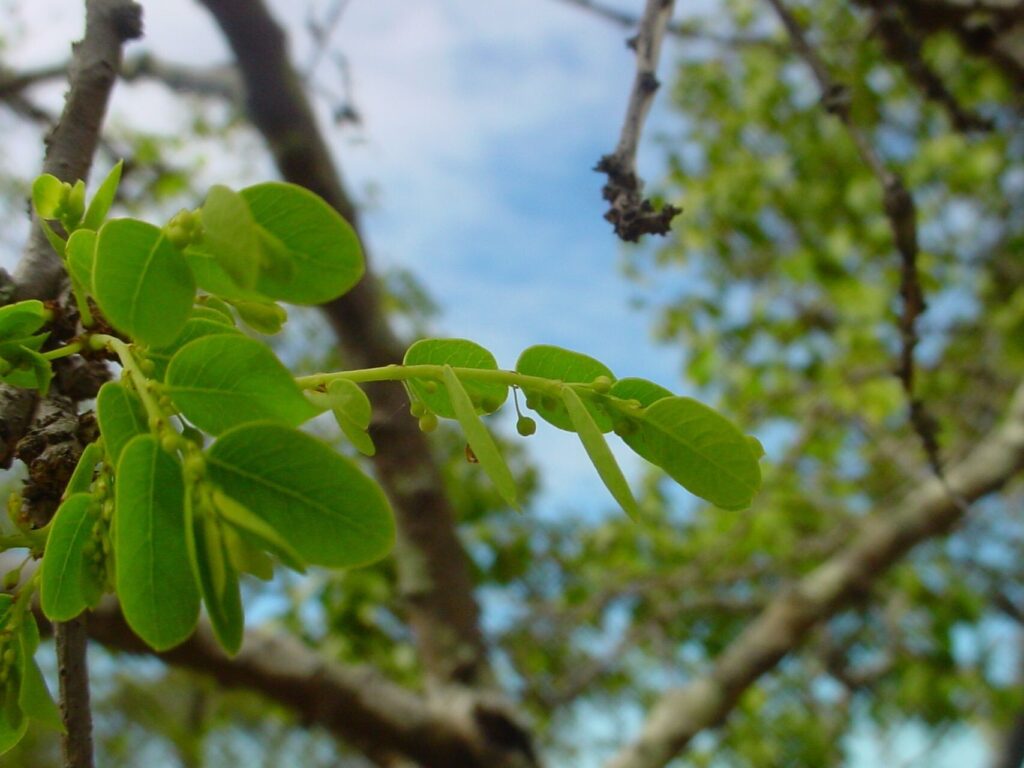
Unlocking the Secrets of Phyllanthus deplanchei Propagation: A Guide for Plant Enthusiasts
Phyllanthus deplanchei, also known as the Coral Bead Plant or Bracelet Bush, captivates with its cascading foliage and vibrant, bead-like fruit. Native to New Caledonia, this tropical gem adds a touch of exotic beauty to gardens and homes alike. If you’re eager to expand your collection or share this botanical treasure, understanding Phyllanthus deplanchei propagation is key.
While this plant might seem intimidating to propagate, the process is achievable with a bit of patience and the right techniques. Let’s delve into two primary methods:
Method 1: Propagating from Cuttings
Propagating from cuttings offers a faster route to mature plants and is particularly effective for Phyllanthus deplanchei. Here’s how:
-
Timing is Key: Spring or early summer, when the plant is actively growing, provides the ideal conditions for successful propagation.
-
Selecting the Right Cuttings:
- Choose healthy, non-flowering stems.
- Using sterilized pruning shears, take cuttings about 4-6 inches long, making a clean cut just below a leaf node.
- Remove the leaves from the lower third of the cutting to prevent rotting.
-
Hormone Help (Optional but Recommended):
- Dipping the cut end in rooting hormone powder increases the chances of successful root development.
-
Planting the Cuttings:
- Prepare a well-draining potting mix specifically designed for cuttings. A blend of peat moss and perlite works well.
- Moisten the mix and create holes for the cuttings using a pencil or chopstick.
- Insert the cuttings into the holes, ensuring the leaf nodes are buried.
- Gently firm the soil around the base.
-
Creating a Humid Environment:
- High humidity is crucial for rooting.
- Cover the pot with a clear plastic bag or use a humidity dome to trap moisture.
- Place the pot in a warm, bright location, out of direct sunlight.
- Patience and Observation:
- Rooting can take several weeks to a couple of months.
- Check the soil moisture regularly and mist the cuttings to maintain humidity.
- Once new growth appears, it indicates successful rooting. Gradually acclimate the cuttings to normal humidity by creating small openings in the plastic cover for a few days before removing it completely.
Method 2: Propagating from Seeds
While less common, propagating Phyllanthus deplanchei from seeds is possible but requires more patience:
- Seed Collection:
- Collect fresh seeds from ripe fruits. The seeds are tiny and black, nestled within the fleshy, bead-like fruit.
- Seed Preparation:
- Extract seeds from the fruit and allow them to dry for a day.
- Sowing the Seeds:
- Sow seeds in a well-draining seed-starting mix.
- Lightly cover seeds with a thin layer of the mix.
- Water gently and maintain warmth and humidity using a propagator or a plastic bag placed over the pot.
- Germination:
- Germination can be slow and erratic, often taking several weeks to months.
- Transplanting:
- Once the seedlings have developed a few sets of true leaves, they can be carefully transplanted into individual pots.
Caring for Your Newly Propagated Plants:
- Provide bright, indirect light.
- Maintain evenly moist soil, but avoid overwatering.
- Fertilize every 4-6 weeks during the growing season with a balanced liquid fertilizer.
- Pinch back new growth to encourage a bushier habit.
Propagating your own Phyllanthus deplanchei is incredibly rewarding. With a little care and attention, you can enjoy the unique beauty of this plant for years to come, and even share it with fellow plant enthusiasts.