
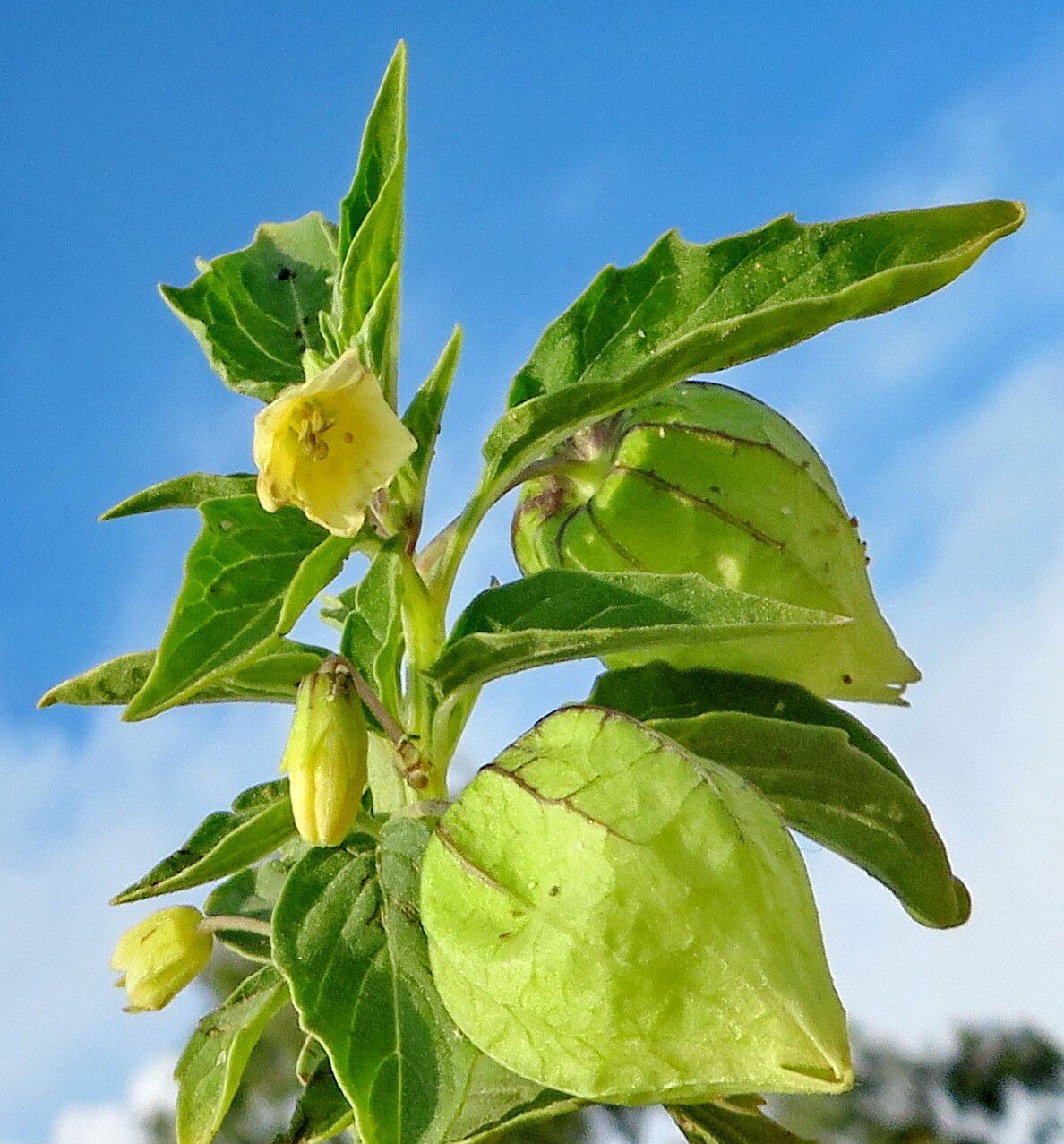
Propagating Groundcherry: Cultivating the Elusive Physalis longifolia
Introduction:
Physalis longifolia, also known as the long-leaf groundcherry, is a captivating member of the nightshade family, prized for its delicate, lantern-like calyces enclosing small, edible berries. Its slender, lanceolate leaves and sprawling habit make it a charming addition to gardens, attracting beneficial insects and providing a unique textural element. While not as widely cultivated as some other Physalis species, its captivating beauty and intriguing fruit have earned it a growing following among gardeners interested in unusual plants. Propagation, however, presents unique challenges, and success often requires patience and attention to detail.
Seed Germination:
Currently, there are no known reliable methods for seed germination propagation of Physalis longifolia. While seeds may be produced, their germination rate is notoriously low, and consistently replicating success has proven difficult. Further research into specific seed treatment protocols is needed to potentially overcome this hurdle.
Cuttings:
Cuttings offer a more promising avenue for propagating Physalis longifolia.
Challenges: Rooting cuttings can be slow and inconsistent. The success rate is highly dependent on environmental factors such as humidity and temperature. The relatively soft stems can be prone to rotting if not carefully handled.
Practical Tips: Take semi-hardwood cuttings (partially mature stems) in early summer or late spring. Use a rooting hormone to increase success rates. Plant cuttings in a well-draining, moist propagation mix, ensuring good humidity (e.g., using a humidity dome or plastic bag). Bottom heat can significantly speed up root development. Regularly mist the cuttings to prevent desiccation.
Rewards: Cuttings offer a quicker method of propagation compared to other methods and allow for the preservation of desirable traits from the mother plant.
Division:
Division is a viable, though limited, propagation method for Physalis longifolia.
Challenges: Physalis longifolia doesn’t readily form dense clumps suitable for easy division. Disturbing the root system can damage the plant, leading to a reduced success rate. This method is only suitable for established, mature plants.
Practical Tips: Divide the plant in early spring or late autumn, ensuring each division retains a healthy portion of roots and foliage. Replant the divisions immediately into well-prepared soil, taking care to minimize root disturbance. Water gently and provide shade until the plants re-establish themselves.
Rewards: Division provides a relatively fast way to increase the number of plants, provided a suitable mature plant is available.
Tissue Culture:
Tissue culture is a potentially highly effective method for propagating Physalis longifolia, although it requires specialized equipment and expertise.
Challenges: Establishing a sterile working environment and developing effective culture media are crucial for success. Tissue culture requires specialized knowledge and equipment, making it less accessible to the home gardener.
Practical Tips: Sterilize all tools and materials meticulously. Use a suitable growth medium containing plant hormones to promote shoot multiplication and root formation. Maintain a sterile environment throughout the process to avoid contamination.
Rewards: Tissue culture offers the potential for large-scale propagation, producing many genetically identical plants rapidly. It also allows for the production of disease-free plants.
Conclusion:
Propagating Physalis longifolia presents various challenges, with seed germination currently proving unreliable. Cuttings provide the most readily accessible method for the average gardener, while division is limited by plant characteristics. Tissue culture offers the potential for large-scale propagation, but its complexity limits its use for home cultivators.
Despite the difficulties, the unique satisfaction of successfully cultivating this beautiful plant outweighs any frustration. The reward of witnessing a thriving Physalis longifolia, bearing its delicate lanterns, is a testament to dedication and patience. For aspiring propagators, I encourage perseverance and experimentation. Start with cuttings, focusing on providing optimal humidity and root stimulants. Embrace the learning process, and remember that even setbacks offer valuable knowledge in cultivating this intriguing species.