
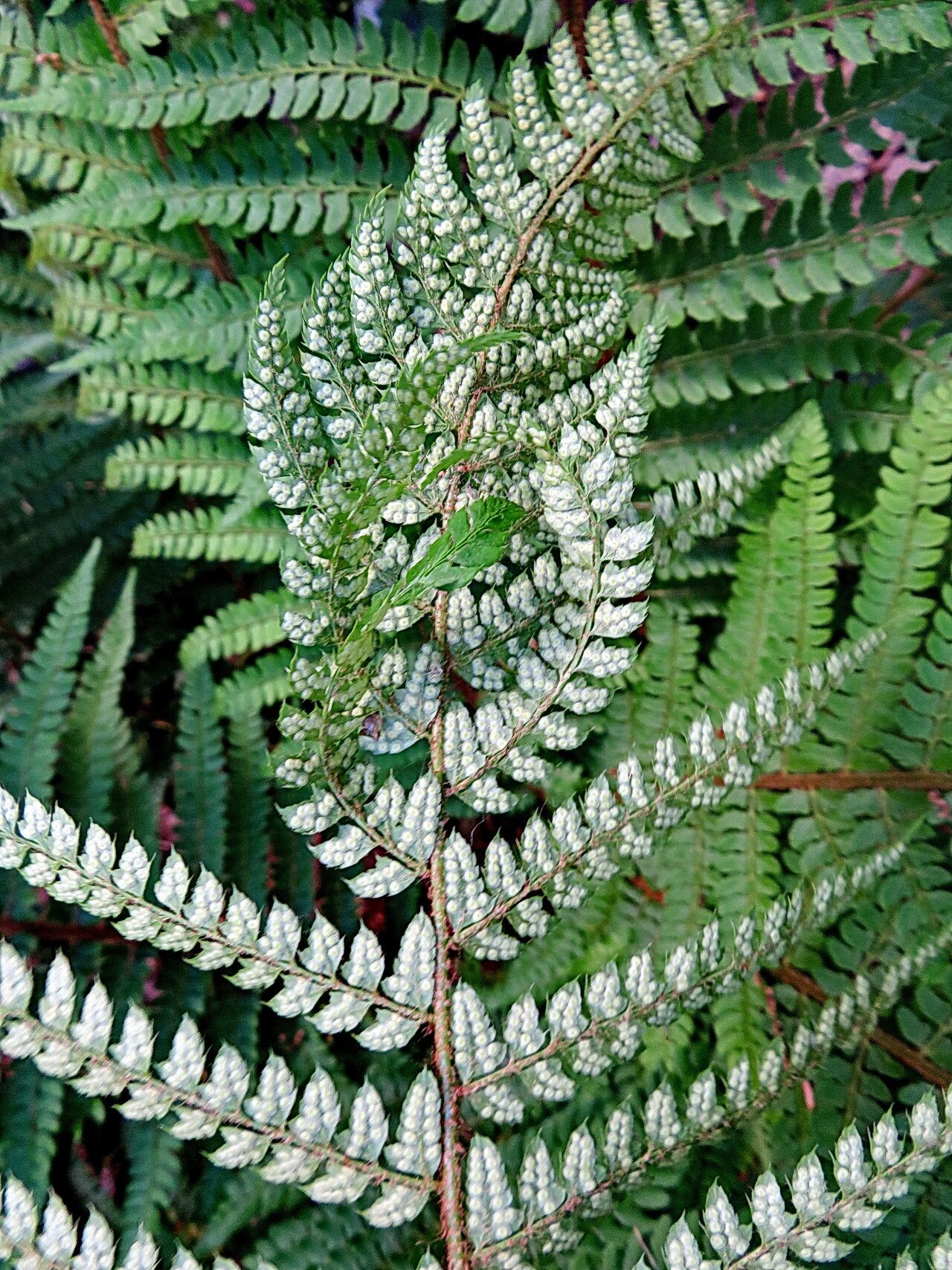
Propagating the Soft Shield Fern (Polystichum × wirtgenii): A Gardener’s Guide
Introduction:
Polystichum × wirtgenii, commonly known as the Soft Shield Fern, is a popular and attractive evergreen fern prized for its delicate, arching fronds and tolerance of shade. Its soft texture and lush appearance make it a valuable addition to woodland gardens, shady borders, and container plantings. A naturally occurring hybrid, its propagation presents unique challenges compared to some other fern species. While it doesn’t produce copious amounts of seed, its robust nature makes it amenable to vegetative propagation.
Seed Germination:
Currently, there are no known reliable methods for seed germination propagation of Polystichum × wirtgenii. As a sterile hybrid, it rarely, if ever, produces viable seeds capable of germination. Attempts at seed propagation are unlikely to yield successful results.
Cuttings:
Propagating Polystichum × wirtgenii from cuttings is also generally considered to be unreliable. While some fern species can be propagated from frond cuttings, the Soft Shield Fern is not known to respond well to this technique. Success rates are extremely low, and the process is not practically recommended.
Division:
Division is the most reliable and successful method for propagating Polystichum × wirtgenii. This involves carefully separating mature clumps into smaller sections, each containing healthy rhizomes and fronds.
Challenges: Dividing the fern requires some care to avoid damaging the rhizomes, which are relatively brittle. Overly small divisions may struggle to establish themselves. The ideal time for division is during the spring, when new growth is starting.
Practical Tips: Use a sharp, clean spade or knife to divide the clump. Ensure each division has several healthy fronds and a substantial portion of rhizome. Plant the divisions in moist, well-drained soil enriched with organic matter in a shady location. Water thoroughly after planting.
Rewards: Division offers a relatively high success rate, allowing for efficient propagation of desirable plants. It maintains the genetic characteristics of the parent plant.
Tissue Culture:
Tissue culture is a technically demanding but potentially effective method for propagating Polystichum × wirtgenii. This laboratory-based technique involves growing plantlets from small pieces of tissue under sterile conditions.
Challenges: Tissue culture requires specialized equipment, sterile laboratory conditions, and expertise in plant tissue culture techniques. It is costly and time-consuming. Developing optimal growth media and protocols for this specific fern might require significant experimentation.
Practical Tips: This method should only be undertaken by those with experience in plant tissue culture. Consult specialized literature and seek expert advice on suitable media formulations and growth conditions.
Rewards: Tissue culture offers the potential for large-scale propagation and the possibility of creating disease-free clones. It is the only method capable of overcoming the sterility of the hybrid.
Conclusion:
Propagating the Soft Shield Fern presents unique challenges largely due to its hybrid nature. While seed germination and cuttings are not viable options, division provides a practical and successful method for gardeners. Tissue culture offers the potential for mass propagation but requires specialized knowledge and resources. The satisfaction of successfully propagating this beautiful fern, however, particularly through the rewarding and relatively simple method of division, is a testament to the patience and dedication of the gardener. Don’t be discouraged by the initial hurdles; a bit of careful planning and attention to detail will lead to the successful cultivation of these elegant plants and allow you to share their beauty with others.