
From Seed to Success: Propagating the Rare Beauty of Physaria alpina
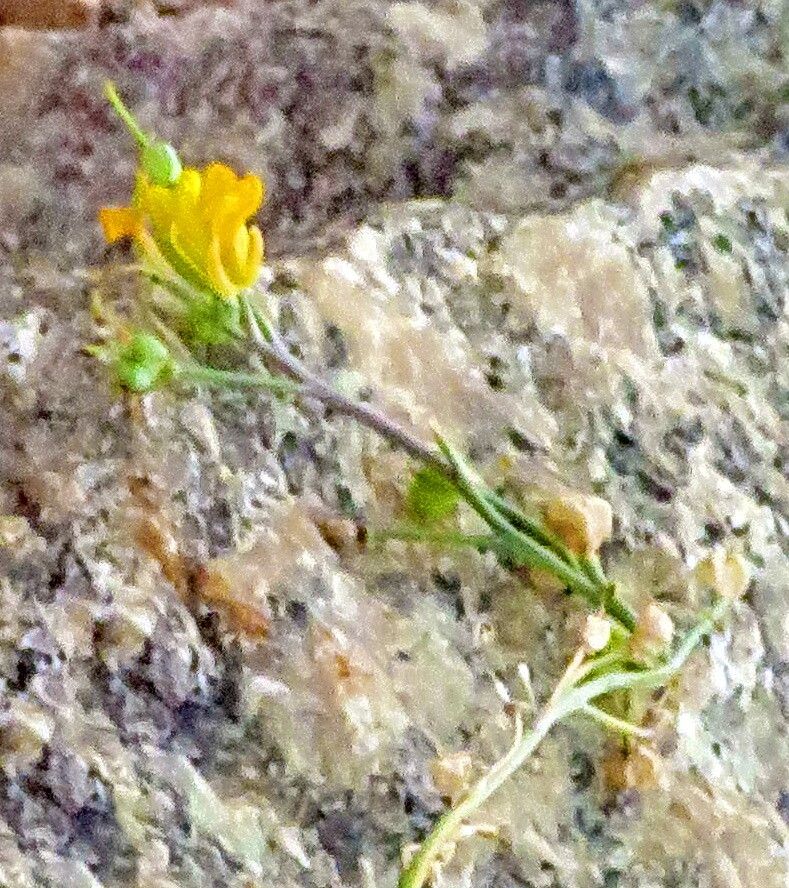
Have you ever heard of the “Alpine bladderpod”? This lovely, low-growing wildflower, known scientifically as Physaria alpina, is a real treat for nature enthusiasts, adorned with delicate yellow blooms and unique bladder-like seedpods. But beyond its beauty lies a challenge – finding and growing this species can be tricky due to its rarity and specific environmental needs.
Fortunately, there’s a way to admire this beautiful plant without disrupting its natural habitat: propagation. While the process might seem daunting, it’s an exciting adventure for aspiring plant lovers and a crucial tool for conservation efforts.
Seeds of the Alpine Bladderpod: A Journey to New Life
Let’s start with the most common method: seed propagation. Here’s a step-by-step guide to help you embark on this journey:
- Harvesting Seeds: The key is timing. Collect seeds from ripe seedpods, usually in late summer or early fall. Look for pods that are plump and brown, signifying mature seeds.
- Cleaning and Storing: Carefully remove the seeds from the pods. Clean them gently with a soft brush to remove any clinging debris. Store the seeds in a cool, dark, and dry environment, ideally in a paper bag or airtight container.
- Sowing the Seeds: Springtime is the ideal season for sowing Physaria alpina seeds. Choose a well-draining, sandy soil with good drainage and mimic the plant’s natural habitat. Direct sowing outdoors or using a seed tray indoors are both viable options.
- Germination: Patience is key! Physaria alpina seeds can take several weeks to germinate. Keep the soil moist and ensure optimal temperatures for germination.
- Thinning and Transplanting: As seedlings emerge, thin them out to give each plant ample space to grow. Once the seedlings are strong enough, you can transplant them to their permanent location. Remember, Physaria alpina thrives in harsh, open environments, so replicating those conditions is essential.
Beyond Seeds: Explore Other Propagation Methods
While seed propagation is common, Physaria alpina can also be propagated using cuttings. This method involves taking a piece of stem with a few leaves and rooting it in a suitable medium.
Here’s a brief overview of the cutting method:
- Choose Healthy Cuttings: Select cuttings from mature plants with healthy, non-flowering stems.
- Cut and Prepare: Make a clean, angled cut just below a node (where leaves are attached). You can use a rooting hormone for better results.
- Rooting Medium: Plant the cuttings in a mixture of perlite and vermiculite or use a specialized rooting medium.
- Maintain Moisture and Light: Place the cuttings in a warm, bright location with indirect sunlight. Keep the rooting medium moist but not soggy.
Tips for Success and Conservation
Remember, Physaria alpina is a rare species. Before attempting propagation, ensure your actions are aligned with conservation efforts.
Here are some additional tips for success:
- Mimic Natural Conditions: Provide sufficient sunlight, well-drained soil, and harsh conditions akin to the plant’s natural habitat.
- Respect the Environment: Never collect seeds or cuttings from protected areas.
- Support Local Conservation Organizations: Contribute to efforts that focus on preserving the natural populations of this unique plant.
By understanding how to propagate Physaria alpina, you can contribute to its conservation and bring the beauty of this rare wildflower into your garden. It’s a rewarding experience that bridges the gap between nature and cultivation.