
Propagating Physocarpus alternans: A Gardener’s Guide
Introduction:
Physocarpus alternans, commonly known as alternate-leaved ninebark, is a deciduous shrub prized for its attractive exfoliating bark, delicate foliage, and profuse summer blooms. Its adaptability to various soil types and its tolerance of drought once established have made it a popular choice among gardeners seeking low-maintenance landscaping options. While readily available commercially, propagating Physocarpus alternans can be a rewarding undertaking, offering the opportunity to expand existing plantings or share this beautiful shrub with others. However, certain propagation methods prove more successful than others.
Seed Germination:
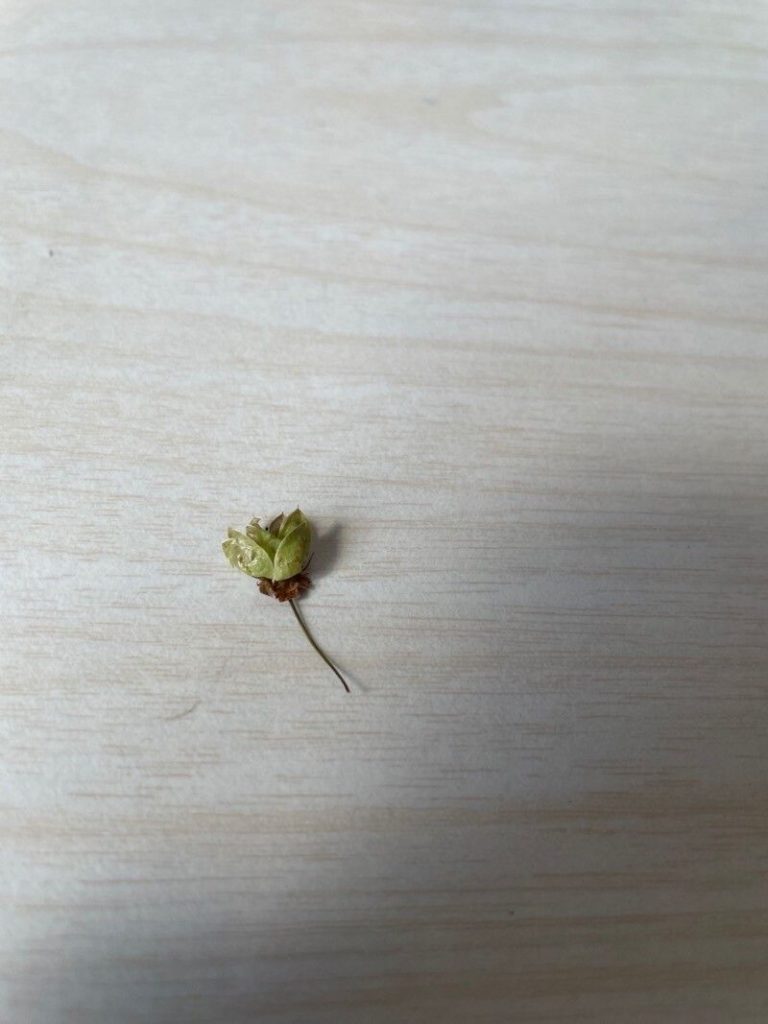
Currently, there are no known reliable methods for seed germination propagation of Physocarpus alternans. While seeds may be produced, germination rates are extremely low, and successful seedling establishment is unpredictable. The challenges lie in the seed’s dormancy requirements and the often-unsuccessful overcoming of these requirements through typical stratification techniques. Therefore, seed propagation is generally discouraged for this species.
Cuttings:
Cuttings offer a viable and relatively straightforward method for propagating Physocarpus alternans.
Challenges: Success depends on timing and technique. Taking cuttings at the right time (semi-hardwood cuttings in late spring/early summer) is crucial.
Practical Tips: Use 4-6 inch cuttings from the current season’s growth, removing lower leaves to prevent rot. Dip the cut ends in rooting hormone to encourage root development. Plant cuttings in a well-draining rooting medium (e.g., a mix of perlite and peat), maintaining consistent moisture and humidity. A mist propagation system can significantly improve success rates.
Rewards: Cuttings offer a relatively quick way to produce genetically identical plants to the mother plant, preserving desirable traits. This is preferable to seed propagation which results in genetic variation. This method is well suited to small to medium scale propagation.
Division:
Division is a feasible method, particularly for established plants.
Challenges: This method is only suitable for mature plants with well-developed root systems. Dividing a plant too young or aggressively can damage the mother plant and reduce its chances of survival.
Practical Tips: Dig up the entire shrub carefully. Divide the root ball into sections, ensuring each division has multiple stems and a healthy root system. Replant divisions immediately into prepared planting holes with amended soil. Water thoroughly.
Rewards: Division allows quick increase of desirable cultivars and is effective for smaller-scale propagation within a garden context. It is generally less labor-intensive compared to taking and managing cuttings.
Tissue Culture:
Tissue culture offers a potential method for large-scale propagation and the production of disease-free plants.
Challenges: Tissue culture requires specialized equipment, a sterile environment, and technical expertise. It is not a viable option for home gardeners.
Practical Tips: This method is best left to commercial nurseries and research facilities with the necessary resources and expertise. Established protocols for Physocarpus species may be adaptable, though optimizing this would require further research.
Rewards: Tissue culture can produce a large number of genetically identical plants very rapidly, essential for large-scale commercial production. It minimizes the risk of disease transmission.
Conclusion:
Propagating Physocarpus alternans presents distinct challenges depending on the method employed. While seed germination is unreliable, cuttings and division provide practical approaches for home gardeners, with cuttings possibly offering the most consistent results. Tissue culture remains a specialized method for commercial propagation. The unique satisfaction derived from successfully propagating this attractive shrub stems from overcoming the challenges inherent in each method, witnessing the growth of a new plant from a cutting or division, and ultimately contributing to its wider appreciation. Whether you choose cuttings or division, patience and careful attention to detail are key to success – a worthy investment for the beauty this versatile shrub brings to any landscape.