
From One to Many: Easy Propagation Techniques for Your Physocarpus Malvaceus
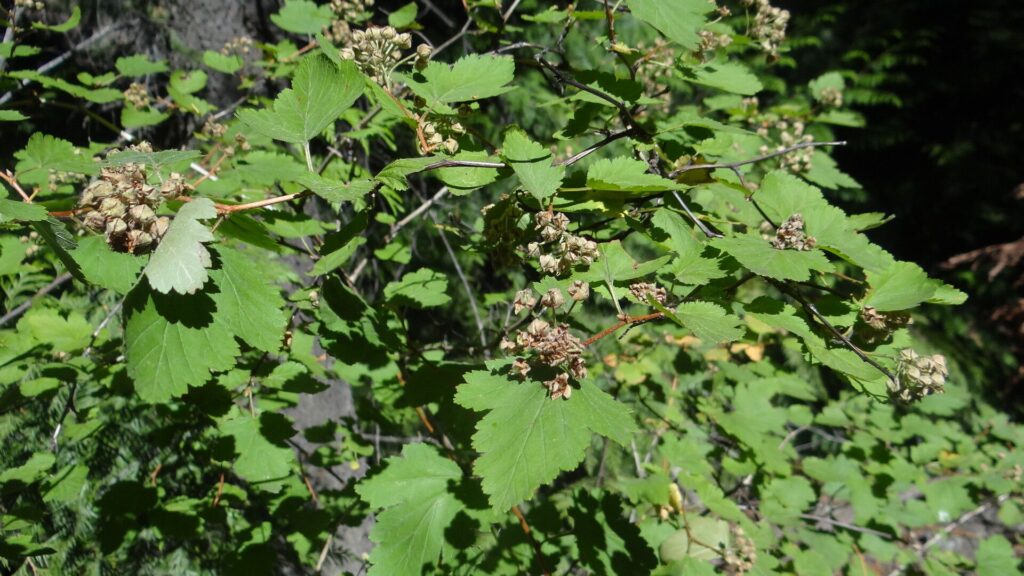
The Physocarpus malvaceus, also known as the ninebark, is a beautiful deciduous shrub that adds a touch of elegance and texture to any garden. Its vibrant green foliage, which transforms into stunning shades of red, orange, and purple in the fall, makes it a standout plant. But did you know that it’s also incredibly easy to propagate?
This means you can easily turn one ninebark into several, creating a thriving landscape with minimal effort and cost. Let’s explore the different methods of propagation and help you bring your dream of a ninebark-filled garden to fruition.
1. From Cuttings: A Simple and Effective Method
The simplest and most widely used method for propagating ninebark is through softwood cuttings. These cuttings are taken from new, tender growth in late spring or early summer. Here’s how to do it:
- Cuttings: Choose healthy, non-flowering stems with about 4-6 inches of new growth. Make a cut just below a node (the point where leaves grow).
- Preparation: Remove the bottom leaves, leaving the top 2-3 leaves intact. Gently scratch the bark just below the bottom leaf node to encourage root development.
- Planting: Dip the cut end of the cutting in rooting hormone powder, then insert it into a pot filled with a well-draining potting mix.
- Maintenance: Keep the cuttings moist by misting them regularly and placing a clear plastic bag over the pot to create a humid environment. Root formation usually takes 4-6 weeks.
2. Layering: Letting Nature Take Its Course
Layering involves bending a stem of the ninebark to the ground and encouraging it to root while still attached to the parent plant. There are two types of layering:
- Tip Layering: Select a flexible branch near the ground and bend it over, pinning it to the soil. Cover the buried portion with moist soil, leaving the tip exposed.
- Air Layering: This method is a bit more intricate but can be used for higher branches. Make a small incision in the stem and fill it with rooting hormone. Wrap the wounded section with moist sphagnum moss and cover it with plastic wrap. Once roots appear, cut the branch below the wrapped section.
3. From Seed: A Long-term Option
Growing ninebark from seed is a long-term approach that requires a bit more patience. But it can be rewarding, especially for those interested in breeding new varieties.
- Seed Collection: Harvest seeds from mature fruits in autumn. Clean them and dry them thoroughly.
- Stratification: Ninebark seeds require cold stratification to germinate. Place seeds in a container with moist vermiculite or peat moss and refrigerate them for 6-8 weeks.
- Planting: Sow the stratified seeds in a seed tray filled with well-draining potting mix. Keep the tray moist and in a bright but indirect location.
Important Tips for Success:
- Timing: Propagation is most successful when done during the growing season, especially in spring and early summer.
- Watering: Keep the cuttings and seedlings consistently moist, but avoid overwatering.
- Light: Adequate light is essential for root development.
- Patience: Give your cuttings and seedlings time to develop roots. This may take several weeks or even months.
Enjoy Your New Ninebarks
Once your cuttings or seedlings have established strong root systems, you can transplant them into the garden. With the right care, these plants will thrive and add beauty to your outdoor space for years to come. So, try out these simple propagation techniques and turn a single ninebark into a flourishing landscape of your own!