
Propagating Phyteuma michelii: A Gardener’s Challenge and Reward
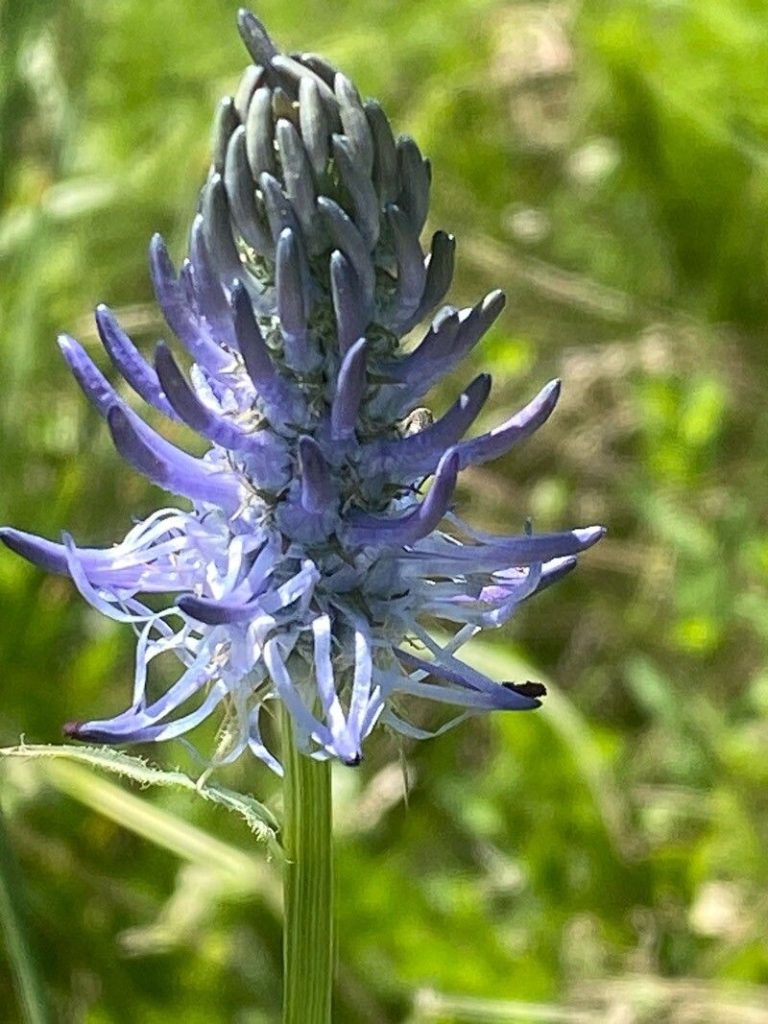
Phyteuma michelii, commonly known as Michael’s Rampion, is a charming herbaceous perennial belonging to the Campanulaceae family. Its striking, densely packed, cylindrical flower spikes of deep blue-violet, held aloft on slender stems, make it a highly desirable addition to any rock garden or border requiring a touch of late-spring/early-summer colour. Its relatively compact size and tolerance for well-drained soil contribute to its popularity among gardeners seeking low-maintenance, aesthetically pleasing plants. However, propagating this captivating species presents unique challenges, making successful cultivation all the more rewarding.
Seed Germination:
Currently, there are no known reliable methods for seed germination propagation of Phyteuma michelii. While seeds may be produced, their germination rate is reportedly extremely low, and consistent success remains elusive. Further research into specific stratification techniques or hormonal treatments may be necessary to unlock the potential of seed propagation.
Cuttings:
Propagating Phyteuma michelii from cuttings presents moderate challenges. Success is more likely using basal stem cuttings taken in late spring or early summer, just as the plant begins to flower, or from semi-hardwood cuttings in late summer.
- Challenges: Cuttings can be slow to root; they require a consistently humid environment to prevent desiccation. The use of rooting hormone is highly recommended.
- Practical Tips: Use sharp, clean tools, selecting healthy, non-flowering stems. Dip cuttings in a rooting hormone powder before planting in a well-draining, sterile propagation mix, kept consistently moist but not waterlogged. A humidity dome or propagator will significantly increase success rates.
- Rewards: Cuttings offer a relatively quick way to obtain genetically identical plants to the mother plant, preserving desirable traits.
Division:
Division offers the most reliable method for propagating Phyteuma michelii. This method is best accomplished in early spring or autumn when the plant is dormant or just beginning to emerge.
- Challenges: Care must be taken not to damage the delicate roots during division. Each section should possess healthy roots and sufficient growing points. Poorly executed division can lead to the loss of both parent and offspring plants.
- Practical Tips: Carefully lift the entire plant, gently separating it into smaller clumps using a sharp, clean knife or spade. Ensure each division has a good root system and some actively growing shoots. Replant the divisions immediately in well-prepared soil, ensuring adequate spacing.
- Rewards: Division provides a quick and efficient way to increase the number of plants, preserving the genetic characteristics of the parent plant.
Tissue Culture:
Although potentially viable, tissue culture propagation of Phyteuma michelii is largely unexplored. This highly specialized method requires laboratory facilities and specific expertise in plant tissue culture techniques.
- Challenges: Establishing a sterile protocol for Phyteuma michelii would need significant research, including identifying suitable media, growth hormones, and sterilization methods. The costs associated with this method also are considerable.
- Practical Tips: This method requires considerable expertise and specialized equipment, therefore it’s not recommended for the average home gardener.
- Rewards: This is potentially the most efficient method for large-scale propagation of high-quality plant material, free of diseases.
Conclusion:
Propagating Phyteuma michelii presents various challenges, with division standing out as the most reliable method for the average gardener. Seed propagation remains largely unpredictable, cuttings require patience and attention to detail, while tissue culture is best left to specialized facilities. However, the unique beauty and charm of Michael’s Rampion, coupled with the sense of accomplishment derived from successfully cultivating this somewhat challenging plant, make overcoming these difficulties deeply rewarding for passionate gardeners. The unique satisfaction lies not only in the beautiful blossoms but in the journey of mastering the propagation itself – a testament to the gardener’s dedication and horticultural skill. So, embrace the challenge, experiment with the methods outlined, and revel in the success of cultivating this beautiful, though sometimes stubborn, plant.