
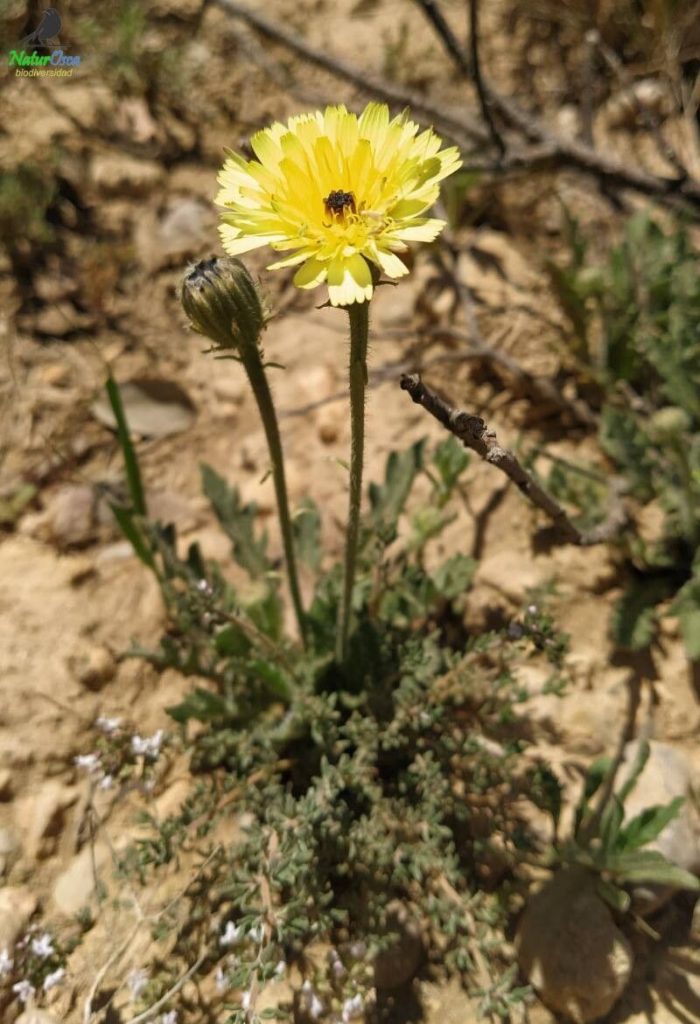
Propagating Picris hispanica: A Challenging but Rewarding Endeavor
Picris hispanica, commonly known as the common ox-tongue, is a relatively inconspicuous yet fascinating annual or biennial plant belonging to the Asteraceae family. Characterized by its lanceolate leaves and bright yellow, dandelion-like flowers, it boasts a certain rustic charm that appeals to many gardeners interested in less common wildflowers. Its adaptability and ease of growth in poor soil contribute to its popularity, while its role as a food source for certain insects adds to its ecological value. However, propagating this plant presents some unique challenges, making success all the more rewarding.
Seed Germination:
Seed germination for Picris hispanica is a viable, albeit sometimes unpredictable, method. The main challenge lies in achieving consistent germination rates. While seeds can germinate readily under suitable conditions, dormancy can be an issue.
Challenges: Imperfect seed viability, uneven germination rates due to variation in seed maturity, and susceptibility to fungal diseases during germination are some hurdles.
Tips: Soaking seeds in warm water for 24 hours prior to sowing can improve germination rates. Sowing directly outdoors in autumn or spring is generally recommended, mimicking the plant’s natural lifecycle. Using well-draining soil mix, ensuring good seed-to-soil contact, and maintaining consistent moisture (but avoiding waterlogging) are crucial. A light covering of soil or vermiculite over the seeds is also beneficial.
Rewards: Seed propagation offers the greatest genetic diversity, creating a more robust population resistant to disease. This method is also suited for large-scale propagation efforts.
Cuttings:
Currently, there are no known reliable methods for propagation of Picris hispanica via cuttings. The plant’s physiology likely does not lend itself to vegetative propagation from stem or leaf cuttings.
Division:
Division is not a viable propagation method for Picris hispanica. As an annual or biennial, it does not develop the extensive root system required for successful division.
Tissue Culture:
While the feasibility of tissue culture propagation of Picris hispanica hasn’t been extensively documented, it presents a potential avenue for research. This method could overcome the challenges associated with seed germination and offers the potential for large-scale clonal propagation preserving desirable traits.
Challenges: Establishing aseptic conditions and developing the optimal culture media and hormonal treatments for successful shoot proliferation and root induction would require careful experimentation.
Tips: If attempting tissue culture, a researcher would need to start with surface sterilization of seed or young plant tissues, followed by placing these explants onto a sterile agar-based nutrient medium with plant growth regulators.
Rewards: Consistent, large-scale production of uniform plants with desirable traits.
Conclusion:
Propagating Picris hispanica presents unique challenges across different methods. Seed germination is the most readily available approach, but inconsistency remains an issue. Cuttings and division are not viable options. Tissue culture, although unexplored for this species, holds potential for future reliable propagation. Despite these difficulties, the satisfaction of successfully cultivating this plant, witnessing its vibrant yellow blooms, and sharing its seeds with other gardeners, makes it a rewarding endeavor for those willing to persevere. For aspiring propagators, patience, attention to detail, and a degree of experimentation are key to success. Remember that even partially successful germination can yield plentiful plants in the right conditions.