
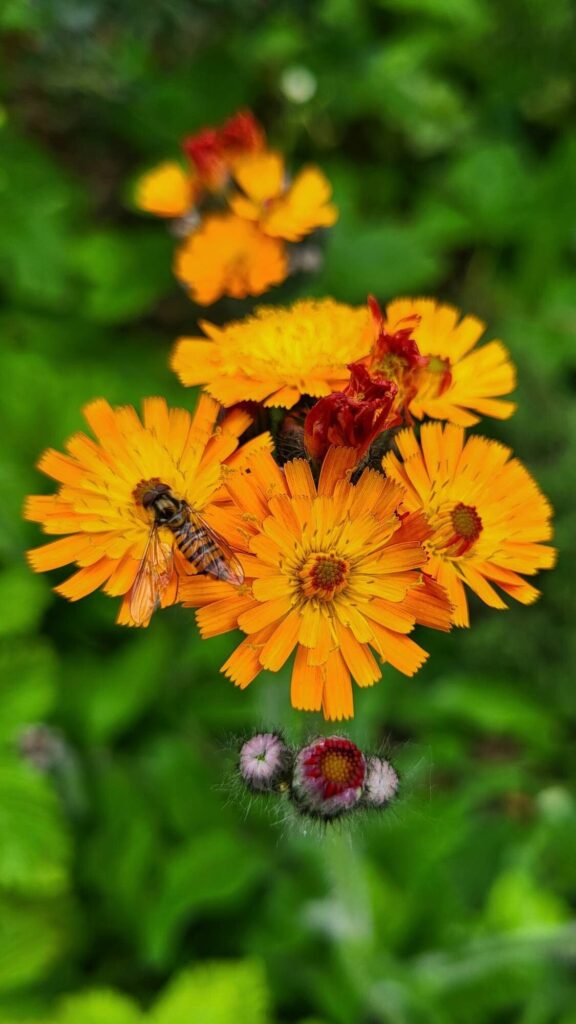
Unlocking the Secrets of Propagation: How to Grow More Pilosella guthnikiana
Pilosella guthnikiana, perhaps not a household name yet, but this charming little plant with its sunny yellow flowers and fuzzy leaves is gaining popularity among gardeners looking for low-maintenance beauty. Whether you know it as Guthnik’s Mouse-ear Hawkweed or simply enjoy its cheerful presence, you might be wondering how to get your hands on more of these delightful plants. The answer, my friends, lies in the magic of propagation!
While purchasing a Pilosella guthnikiana from a nursery is always an option, propagating your own allows you to expand your garden collection for free and connect with the life cycle of this fascinating species. Fear not, you don’t need a green thumb or a degree in botany to be successful. Let’s explore the two main methods of propagation for this resilient plant:
1. Seed Starting: A Journey From Tiny Specks to Vibrant Plants
Pilosella guthnikiana generously produces seeds after its flowering period. These tiny, parachute-like seeds, reminiscent of dandelions, hold the blueprint for a whole new plant. Here’s how to guide them on their journey:
- Seed Collection: Once the flowers fade, keep an eye out for fluffy seed heads. Collect them on a dry day and gently separate the seeds.
- Sowing: In spring or early fall, sow the seeds directly into a prepared seedbed or individual pots filled with well-draining soil. Scatter them sparsely and lightly press them onto the surface, as they need light to germinate.
- Watering and Care: Mist the soil regularly, keeping it consistently moist but not soggy. Place the pots in a bright location, avoiding direct sunlight.
- Transplanting: Once the seedlings develop a few true leaves and are large enough to handle, transplant them to their final location in your garden.
2. Division: Multiplying Your Plants with a Gentle Touch
For a quicker and often more reliable method, division is your go-to. Pilosella guthnikiana readily spreads through rhizomes, underground stems that produce new shoots. Follow these steps to divide and conquer:
- Timing is Key: Spring or early fall, when the plant is actively growing, is the optimal time for division.
- Digging Up: Carefully dig up a mature plant from your garden, ensuring you get a good portion of the root system.
- Dividing with Care: Using a sharp, clean knife or garden shears, divide the plant into sections, making sure each section has a healthy amount of roots and shoots.
- Replanting: Replant the divisions at the same depth they were originally growing, spacing them appropriately in well-draining soil. Water thoroughly.
Caring for Your New Propagations:
Pilosella guthnikiana is remarkably low-maintenance. Once established, it tolerates a range of conditions, but providing adequate sunlight and well-draining soil will ensure its happiness.
Whether you choose to embark on the adventure of seed starting or prefer the efficiency of division, propagating your own Pilosella guthnikiana is a rewarding experience. With a bit of care and attention, you’ll soon have a flourishing colony of these delightful plants, bringing joy and a touch of sunshine to your garden.