
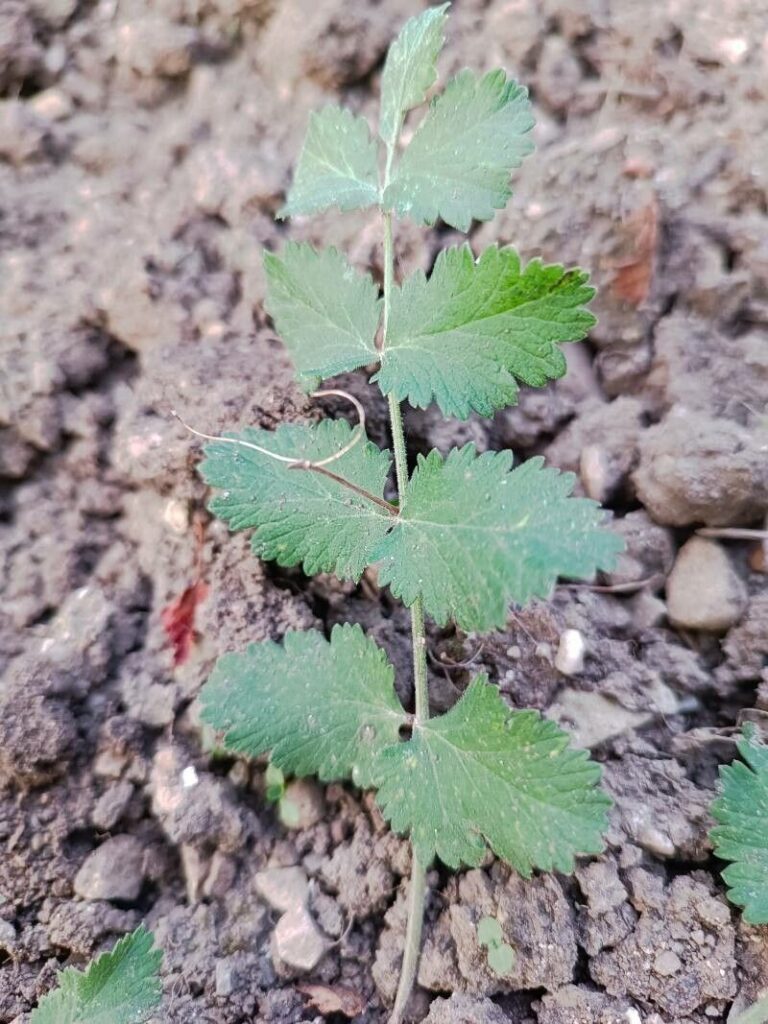
From Seed to Spice: Propagating Pimpinella Saxifraga (Burnet)
Burnet, the charming herb with delicate ferny foliage and a taste that dances between cucumber and parsley, is a delightful addition to any garden. Not only is it a culinary star, but its vibrant green leaves also add a graceful touch to borders and containers. However, did you know that this versatile plant is surprisingly easy to propagate?
This blog post unveils the secrets of successfully growing burnet from seed and through division, inviting you to enjoy the satisfaction of nurturing your own personal supply of this delightful herb.
From Seed to Success
Starting burnet from seed is a rewarding experience. Here’s a step-by-step guide to help you on your way:
-
Sow Seeds Indoors: Sowing burnet seeds indoors allows you to have a head start. Plant your seeds in well-draining seed-starting mix approximately 1/4 inch deep.
-
Maintain Moisture: Keep the soil consistently moist, but not soggy. Use a spray bottle or a watering can with a fine rose.
-
Provide Light: Place your seed trays in a bright location, ideally a sunny windowsill. You can supplement with grow lights if necessary.
-
Thin Seedlings: Once seedlings emerge, thin them out to give each plant ample space to grow.
- Hardening Off: Before transplanting outdoors, gradually acclimate your burnet seedlings to the outdoor environment by gradually exposing them to sun and wind for increasing durations.
Divide and Conquer
For established burnet plants, division is a simple and effective propagation method. Here’s how to do it:
-
Choose the Right Time: Division is best performed in early spring or autumn when the plant is actively growing.
-
Select a Healthy Plant: Choose a healthy, established burnet plant that has multiple stems.
-
Dig and Divide: Gently dig up the plant and use a sharp knife or trowel to divide the root ball into sections, ensuring each section has at least a few growth points.
-
Replant: Replant the divisions in well-prepared soil and water thoroughly.
- Care for New Plants: Make sure to provide the new plants with adequate moisture and sunlight to help them establish themselves in their new homes.
Tips for Success
- Choose the Right Soil: Well-drained soil is essential for burnet. A sandy loam with a pH of 6.0-7.0 is ideal.
- Sunlight Requirements: Burnet prefers full sun to partial shade.
- Water Wisely: Water regularly, especially during dry periods, but allow the top inch of soil to dry out slightly between waterings.
- Harvest Strategically: Harvest the leaves regularly for culinary use, ensuring you leave enough foliage for the plant to thrive.
Embrace the Bounty of Burnett
Whether you opt for sowing seeds or dividing established plants, propagating burnet is a rewarding endeavor. This hardy herb offers a wealth of flavor and versatility, making it a cherished addition to any garden. So, why not embark on your own burnet propagation journey and enjoy the fresh, flavorful goodness that this delightful herb offers?