
Unlocking the Secrets of Pinguicula cyclosecta Propagation: A Guide to Growing More of These Carnivorous Beauties
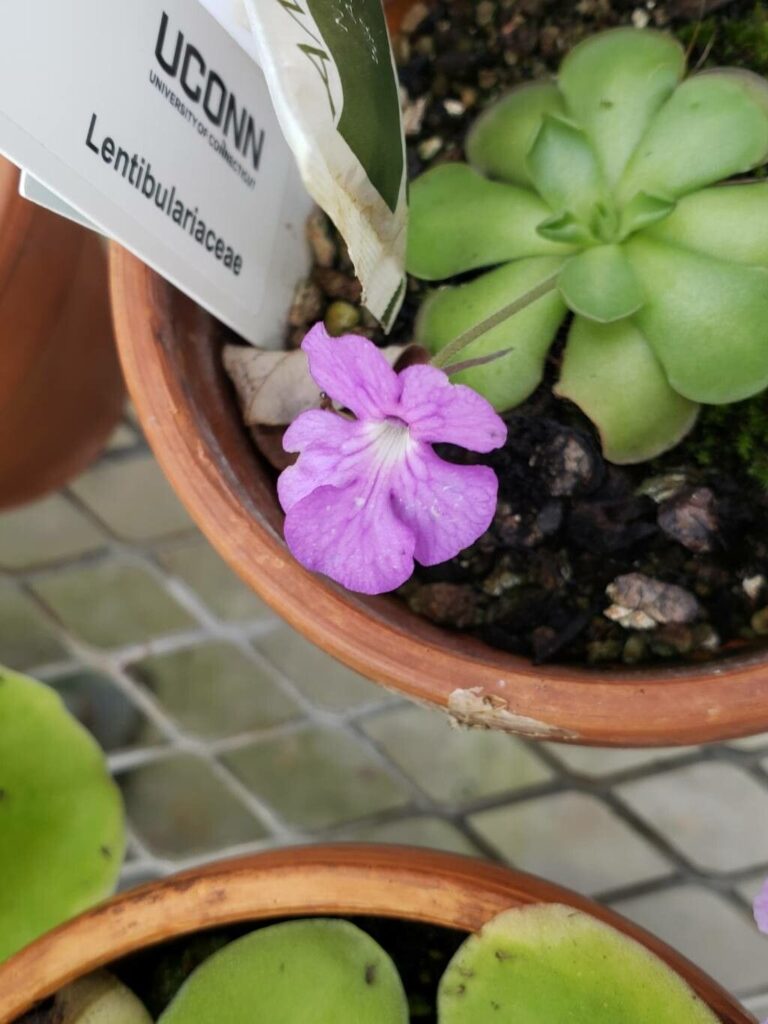
The Pinguicula cyclosecta, more affectionately known as the “Twin-Flowered Butterwort,” is a captivating plant that entices with its delicate beauty and carnivorous nature. Native to Mexico, this species boasts vibrant violet blooms and sticky leaves designed to trap unsuspecting insects. While its carnivorous habits are intriguing in themselves, learning to propagate this unique plant opens up a world of possibilities for plant enthusiasts. This guide delves into the fascinating world of Pinguicula cyclosecta propagation, unveiling the secrets to successfully multiply your collection.
Methods of Propagation
There are two primary methods for propagating Pinguicula cyclosecta, each with its own set of advantages:
1. Leaf Cuttings: This method is remarkably effective and straightforward, making it ideal for both beginners and seasoned growers.
- Timing: Spring, during the plant’s active growing season, offers the highest success rate.
- Procedure: Gently remove a healthy leaf from the mother plant, ensuring the white base (where it connects to the rosette) is intact. Place the leaf on a humid substrate like pure sphagnum moss or a perlite and peat moss mixture. Mist regularly to maintain high humidity and provide bright, indirect light. Within a few weeks, tiny plantlets will emerge from the base of the leaf.
2. Seed Germination: While slightly more challenging than leaf cuttings, seed germination offers a rewarding experience and allows for greater genetic diversity.
- Obtaining Seeds: Pinguicula cyclosecta are self-fertile. You can gently transfer pollen from one flower to another using a small brush to encourage seed production.
- Sowing: Sprinkle the dust-like seeds on the surface of a suitable moist substrate (similar to leaf cuttings). Do not bury the seeds, as they require light for germination. Provide bright, indirect light and maintain high humidity using a humidity dome or by placing the pot in a sealed plastic bag.
- Patience is Key: Germination can take several weeks to several months.
Essential Care for Successful Propagation
Regardless of the propagation method chosen, specific care requirements need to be met:
- Light: Provide bright, indirect light, avoiding harsh direct sunlight that can scorch the leaves.
- Humidity: Mimic their native humid environment by maintaining consistently high humidity levels.
- Watering: Use distilled water or rainwater, as tap water contains minerals that can harm the sensitive root system. Water from the bottom by placing the pot in a tray filled with water and allowing the soil to soak up moisture. Keep the soil consistently moist but not waterlogged.
- Temperature: Maintain a temperature range of 60-80°F (15-27°C) for optimal growth.
The Rewards of Propagation
Propagating your Pinguicula cyclosecta is a fulfilling endeavor that allows you to expand your collection, share these fascinating plants with others, and contribute to the conservation of this unique species. The joy of witnessing new plantlets emerge from a leaf cutting or seeds sprout into life is an experience like no other.
So why wait? Embrace the fascinating world of Pinguicula cyclosecta propagation and witness the magic of plant multiplication firsthand. Your journey into the world of carnivorous plant propagation awaits!