
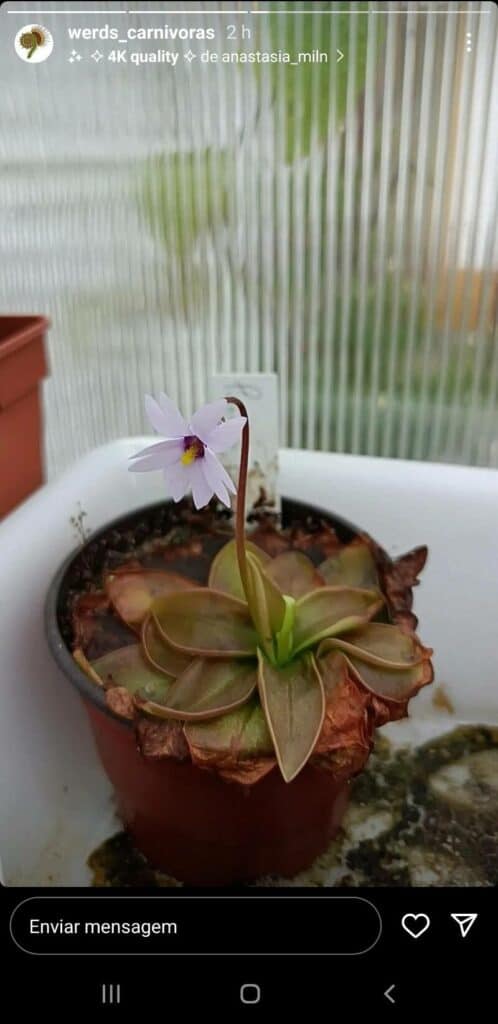
Unleash Your Inner Plant Parent: Propagating the Stunning Pinguicula planifolia
The world of carnivorous plants is fascinating, and among the diverse traps and alluring beauty, the Pinguicula planifolia stands out. This captivating butterwort, with its vibrant red rosette and glistening dew-dropped leaves, is a joy to behold. But did you know that propagating this stunning plant is an achievable endeavor, even for budding enthusiasts? Let’s delve into the world of Pinguicula planifolia propagation and discover how you can expand your carnivorous plant family.
Understanding the Basics: How Pinguicula planifolia Reproduces
Pinguicula planifolia offers two primary methods of propagation:
- Leaf Cuttings: The most common and accessible method involves carefully removing a healthy leaf from the mother plant. Ensure you take a section of the leaf base, as this is where new growth originates.
- Seed Germination: While slightly more challenging, germinating seeds offers a rewarding experience. Pinguicula planifolia produces small, black seeds that require specific conditions for successful germination.
Let’s Get Down to Business: Propagating from Leaf Cuttings
- Timing is Key: Spring is the ideal time for leaf cuttings, coinciding with the plant’s active growing season.
- Choose Wisely: Select healthy, mature leaves free from damage or disease. Using clean, sharp scissors or a sterile blade, cut the leaf as close to the base as possible.
- Ready the Growing Medium: A well-draining, nutrient-poor medium is crucial. A mix of peat moss and perlite or sand (1:1 ratio) works well. Moisten the medium thoroughly before use.
- Plant the Cutting: Lay the leaf horizontally on the surface of the medium, gently pressing it down to ensure good contact. Alternatively, you can partially bury the cut end of the leaf.
- Provide the Right Environment: Place the pot in a bright location but out of direct sunlight. Maintain a humid environment by covering the pot with a clear plastic bag or using a humidity dome.
- Patience is a Virtue: In a few weeks, you should begin to see tiny plantlets forming at the base of the leaf cutting. Once these plantlets develop a root system and several leaves, you can carefully separate them and pot them individually.
The Art of Seed Germination:
- Sourcing Your Seeds: Purchase seeds from a reputable supplier to ensure viability and proper species identification.
- Preparing for Germination: Sow the seeds on the surface of a moistened peat moss and perlite mix. Do not bury them.
- Light and Humidity: Pinguicula planifolia seeds require light to germinate. Maintain high humidity by using a covered container or humidity dome.
- Be Patient, Young Padawan: Germination can take several weeks to a couple of months. Ensure the medium remains consistently moist but not waterlogged.
- Transplanting Success: Once seedlings are large enough to handle, carefully transplant them into individual pots using a similar medium as used for leaf cuttings.
Caring for Your New Progeny:
Treat your new Pinguicula planifolia propagations as mature plants, providing them with adequate light, humidity, and appropriate watering techniques. Remember, these fascinating carnivores thrive in moist, well-drained environments and appreciate rainwater or distilled water.
Propagating Pinguicula planifolia is a rewarding and engaging experience. By following these steps, you can successfully expand your collection and share the wonder of these captivating carnivorous plants. So, why wait? Unleash your inner plant parent and embark on this rewarding journey today.