
Unlocking the Secrets of Pinguicula vallisneriifolia Propagation: From Leaf Cuttings to Carnivorous Clones!
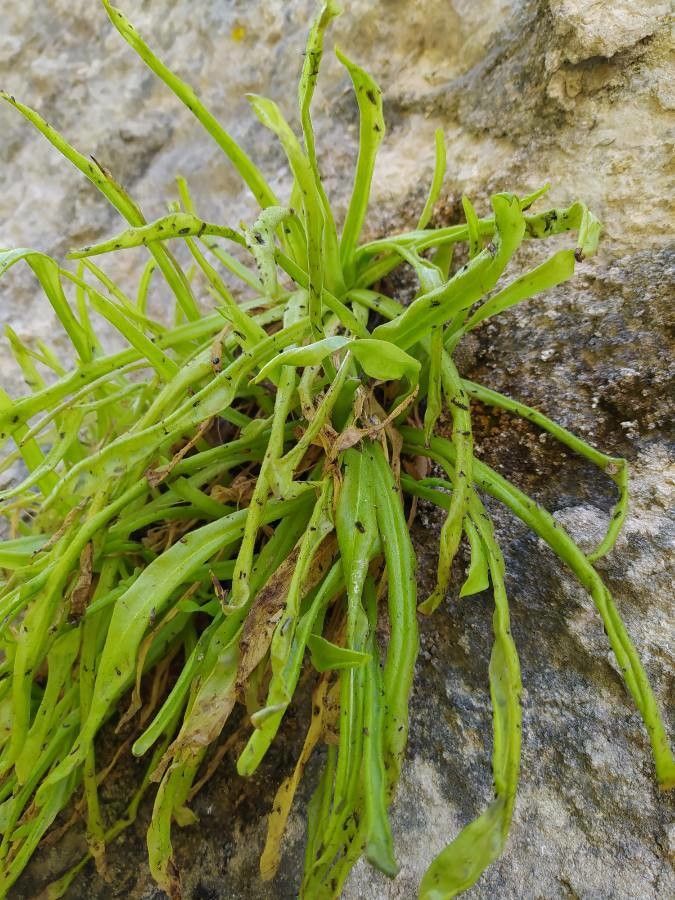
The Pinguicula vallisneriifolia, also known as the “Butterwort of the Valleys,” is a mesmerizing carnivorous plant native to the Iberian Peninsula. This stunning species, with its sticky, insect-trapping leaves and delicate purple flowers, is a highly sought-after addition to any plant enthusiast’s collection. But what’s the secret to successfully propagating these fascinating carnivores?
While Pinguicula vallisneriifolia may seem exotic, its propagation is surprisingly achievable for even beginner growers. Let’s delve into the two most effective methods:
1. Leaf Cuttings: A Beginner-Friendly Approach
Leaf cuttings are the go-to method for propagating Pinguicula vallisneriifolia. The process is straightforward and boasts a high success rate, making it perfect for those new to carnivorous plant cultivation.
Here’s how it’s done:
- Timing is Key: The best time to take leaf cuttings is during the plant’s active growing season, typically spring to early summer.
- Select Healthy Leaves: Choose mature, healthy leaves for the best results. Look for leaves free from damage or disease.
- Make the Cut: Using a clean, sharp knife or scissors, carefully remove the entire leaf from the plant’s rosette. Ensure you take a small portion of the leaf base, as this is where new growth will emerge.
- Prepare Your Medium: Prepare a moist, well-draining medium. A good mix consists of equal parts peat moss and perlite.
- Plant the Cuttings: Place the leaf cuttings horizontally on the surface of the medium, ensuring the cut end is slightly buried.
- Provide Optimal Conditions: Place the cuttings in a bright location but out of direct sunlight. Maintain a humid environment by covering the pot with a clear plastic bag or placing it in a propagator.
- Patience is a Virtue: It may take several weeks for new plantlets to emerge from the leaf base. Once the plantlets are large enough to handle, carefully separate them and transplant them into individual pots.
2. Seed Propagation: For the Adventurous Grower
While leaf cuttings offer a more straightforward approach, propagating Pinguicula vallisneriifolia from seed allows you to experience the plant’s entire life cycle, from germination to maturity. However, seed propagation requires more patience and a bit of luck!
Here’s what you need to know:
- Seed Source: Sourcing viable seeds is crucial. Pinguicula seeds are notoriously tricky to store, so acquiring fresh seeds from a reputable supplier is vital.
- Stratification (Optional but Recommended): While not strictly necessary, cold stratification can improve germination rates for Pinguicula vallisneriifolia seeds. This involves mimicking the plant’s natural winter dormancy by storing the seeds in a refrigerator (around 4°C) for a few weeks before sowing.
- Sowing the Seeds: Scatter the seeds on the surface of a moist, well-draining medium. Do not bury the seeds as they require light to germinate.
- Creating a Humid Microclimate: Cover the pot with a plastic bag or humidity dome to maintain moisture and warmth. Place the pot in a bright location but out of direct sunlight.
- Germination Time: Germination can be slow and erratic, taking anywhere from a few weeks to several months.
- Transplanting: Once the seedlings have developed a few true leaves, carefully transplant them into individual pots.
Care Tips for Your Pinguicula vallisneriifolia:
- Light: Provide bright, indirect light. A sunny windowsill with some protection from the harsh midday sun is ideal.
- Water: Use distilled water, rainwater, or reverse osmosis water to prevent mineral buildup that can be harmful to carnivorous plants. Keep the soil consistently moist but not waterlogged.
- Humidity: Maintain a humid environment. You can achieve this by using a humidity tray, grouping plants together, or utilizing a humidifier.
- Feeding: Avoid fertilizing your Pinguicula vallisneriifolia. They are carnivorous and obtain their nutrients from catching insects. Regularly provide them with small insects like fruit flies or gnats.
Propagating Pinguicula vallisneriifolia is a rewarding experience for any plant lover. Whether you choose the simplicity of leaf cuttings or the adventure of seed propagation, with patience and care, you can soon have a thriving colony of these captivating carnivores.