
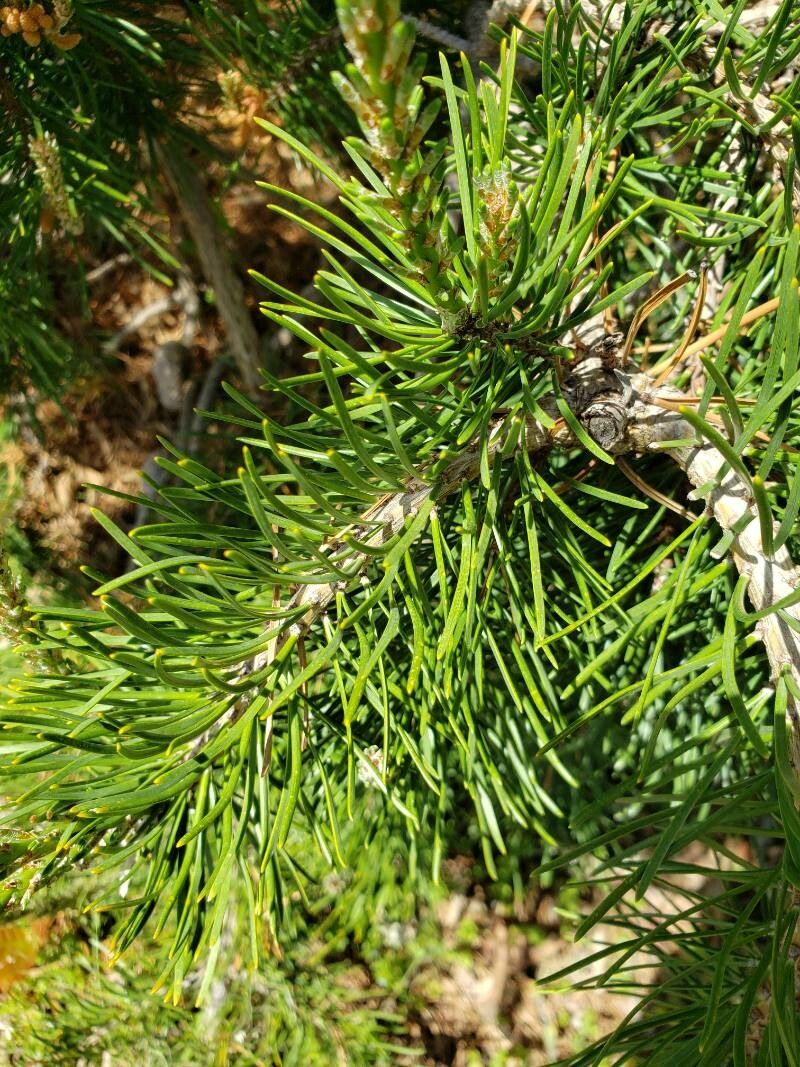
Propagating Jack Pine (Pinus banksiana): A Guide for the Determined Gardener
Introduction:
Pinus banksiana, commonly known as Jack Pine, is a hardy, resilient conifer native to North America. Its twisted, often contorted branches, and relatively small size compared to other pines make it a desirable addition to landscaping, particularly in areas with poor, sandy soils where many other plants struggle. Its adaptability and tolerance of harsh conditions are key characteristics. While less popular than some other pine species, Jack Pine offers a unique aesthetic appeal to gardeners seeking a rugged, wind-resistant evergreen. Its propagation, however, presents several challenges that make success a rewarding achievement.
Seed Germination:
Seed germination is a viable method for propagating Pinus banksiana, but it presents significant challenges. Jack Pine seeds have a hard seed coat that requires specific treatment to break dormancy before germination can occur. This process is called stratification.
Challenges: The primary challenge is the necessity for cold stratification. The seeds require a period of cold, moist conditions to mimic winter conditions in their natural environment. Improper stratification can lead to inconsistent or delayed germination, or even complete failure. Additionally, seedling establishment can be sensitive to conditions including moisture and light.
Practical Tips: Seeds should be collected from mature cones in autumn. Stratification can be achieved by mixing the seeds with moist peat moss or vermiculite, placing them in a sealed container, and refrigerating them for 60-90 days at temperatures close to 0-5°C (32-41°F). After stratification, sow seeds in a well-draining seed starting mix, and maintain consistently moist but not waterlogged conditions. Provide adequate light, either natural or supplemented with grow lights.
Rewards: Seed germination offers the significant advantage of genetic diversity, leading to a wider range of offspring with potentially advantageous traits. It’s also a cost-effective method for large-scale propagation.
Cuttings:
Currently, there are no known reliable methods for propagating Pinus banksiana from cuttings. Jack Pine is notoriously difficult to propagate vegetatively, meaning methods like cuttings generally show very low success rates.
Division:
Division is not a practical method for propagating Pinus banksiana. Jack Pine has a deep taproot, making division impossible without severely damaging the plant.
Tissue Culture:
Tissue culture is a viable, though complex and technically demanding method, for propagating Pinus banksiana.
Challenges: Tissue culture requires a sterile laboratory environment, specialized equipment, and a high level of expertise in plant tissue culture techniques. The process is expensive and time-consuming. Developing optimal media formulations and protocols for Jack Pine can be challenging.
Practical Tips: This is not a method suitable for home gardeners. It’s best left to specialized nurseries or research institutions with the necessary facilities and expertise.
Rewards: Tissue culture allows for the rapid and large-scale propagation of superior genotypes, eliminating the need for seed stratification and offering disease-free plantlets.
Conclusion:
Propagating Pinus banksiana presents unique challenges across all methods. Seed germination, while viable, requires patience and attention to detail in stratification; cuttings and division are largely impractical; and tissue culture, while effective for large-scale production, requires specialized knowledge and equipment. The rewards, however, are significant. Successful propagation, particularly by seed, offers tremendous satisfaction, knowing you’ve overcome the obstacles to cultivate this uniquely beautiful and hardy conifer. The resilience of the Jack Pine mirrors the determination needed to propagate it, making each successful seedling a testament to perseverance and horticultural skill. For home gardeners, focusing on seed germination, with careful attention to stratification, offers the most accessible and rewarding route to success. Remember, patience is key, and even experienced propagators often encounter setbacks. Don’t be discouraged – the triumph of successfully cultivating a Jack Pine from seed is all the more fulfilling for the effort involved.