
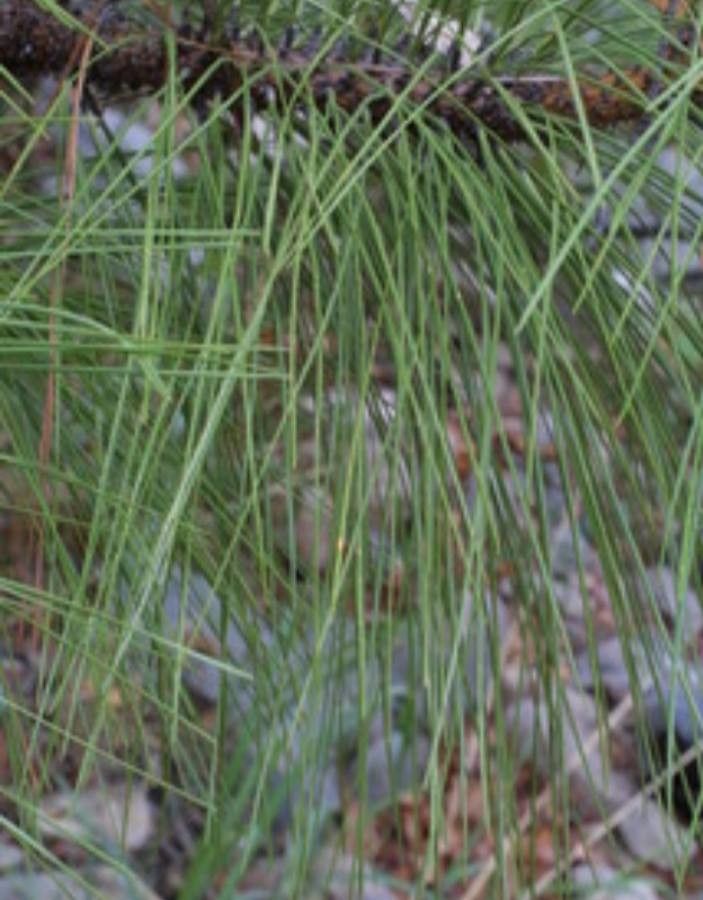
Taming the Apache Pine: A Guide to Propagating Pinus engelmannii
The Apache Pine (Pinus engelmannii), with its rugged beauty and impressive stature, stands as a testament to the resilience of nature. Native to the southwestern United States and Mexico, this pine species, also known as the Arizona longleaf pine, adds a unique charm to landscapes willing to accommodate its impressive size. While acquiring a sapling from a specialized nursery is an option, there’s a certain satisfaction that comes from propagating one yourself. So, let’s delve into the world of Apache Pine propagation, exploring the techniques that will empower you to cultivate this magnificent tree.
Seed Propagation: A Test of Patience and Precision
Propagating Pinus engelmannii from seed is an adventure that requires dedication and a touch of green thumb finesse. Here’s a breakdown of the process:
-
Seed Collection and Storage: Begin by sourcing mature cones from a healthy Apache Pine. Look for cones that are brown and slightly open, indicating seed maturity. Extract the winged seeds and store them in a cool, dry place until you’re ready to sow.
-
Stratification for Success: Apache Pine seeds benefit from a period of cold stratification, mimicking the natural winter conditions they need to break dormancy. Place the seeds in a moist medium like vermiculite or peat moss, seal them in a plastic bag, and refrigerate them for 60-90 days.
-
Sowing the Seeds: Once stratified, sow the seeds in a well-draining seed-starting mix, barely covering them with the medium. Maintain consistent moisture and warmth (around 70°F or 21°C).
- Germination and Early Care: Germination can take anywhere from a few weeks to a couple of months. Be patient! Once the seedlings emerge, provide ample indirect sunlight and ensure the soil remains consistently moist but not waterlogged.
Cutting Propagation: For the More Adventurous Gardener
Propagating Apache Pine from cuttings is considered more challenging but not impossible. This method is generally more successful with younger trees. Here’s what you need to know:
-
Timing is Key: The optimal time for taking cuttings is late fall or early winter when the plant is dormant.
-
Selecting and Preparing Cuttings: Choose healthy, semi-hardwood shoots from the current year’s growth. Cut a 4-6 inch section, making a clean cut just below a node. Remove the lower needles to expose the stem.
-
Rooting Hormone and Planting: Dip the cut end in rooting hormone to encourage root development. Plant the cuttings in a well-draining potting mix specifically formulated for conifers.
-
Creating a Humid Environment: Cover the cuttings with a clear plastic bag or humidity dome to trap moisture. Place them in a shaded location with indirect light and consistent temperatures.
- Patience is Paramount: Rooting can take several months. Once the cuttings show signs of new growth, it’s a good indication that they’ve rooted successfully. Gradually acclimate them to outdoor conditions before transplanting.
A Legacy for Future Generations
Propagating Pinus engelmannii, whether from seed or cuttings, is a gratifying endeavor. It requires patience, a bit of effort, and a genuine appreciation for this magnificent tree. By mastering these techniques, not only will you witness the miracle of a tree’s life cycle firsthand, but you’ll also contribute to the legacy of this majestic pine for generations to come.