
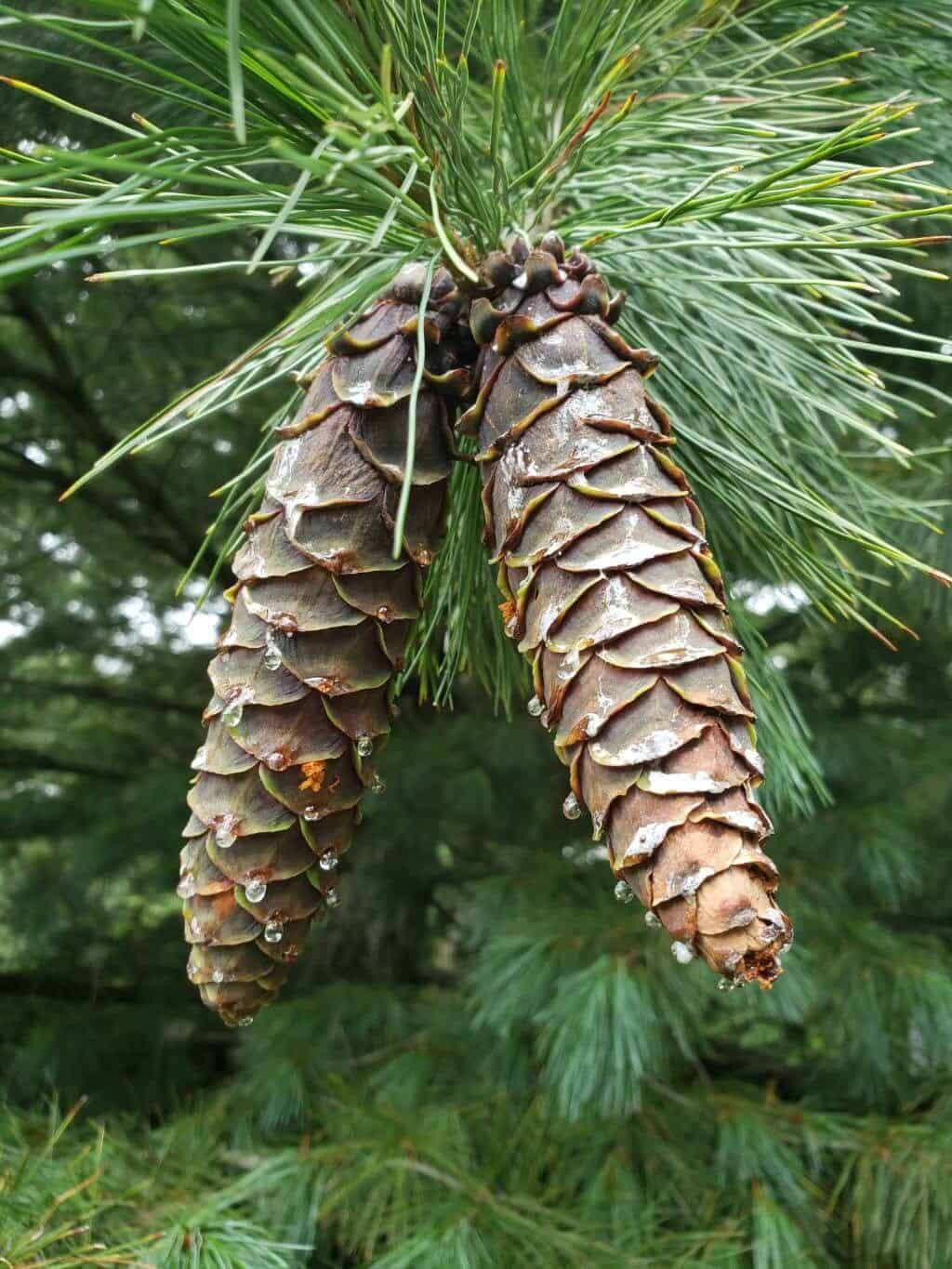
Conquering the Heights: Propagating Western White Pine (Pinus monticola)
The Western white pine (Pinus monticola), with its majestic height and graceful, blue-green needles, is a true giant of the forest. If you dream of introducing this magnificent evergreen into your landscape, you might be surprised to learn that propagating it at home is a rewarding, albeit slightly challenging, endeavor.
This guide will delve into the two primary methods of propagating Pinus monticola:
1. Seed Propagation: A Journey of Patience and Care
Growing Western white pines from seed offers a deeply satisfying experience, allowing you to witness the entire life cycle of this remarkable tree.
Seed Collection: Cones mature in late summer or early fall, turning reddish-brown. Look for closed cones that haven’t released their seeds yet. Once collected, store them in a warm, dry place until the scales open and release the seeds.
Seed Stratification: Western white pine seeds benefit from cold stratification, mimicking the natural winter conditions they need to break dormancy. Place the seeds in a moist mix of sand and peat moss, seal them in a plastic bag and refrigerate for 60-90 days.
Sowing the Seeds: In spring, fill seed trays with a well-draining seed starting mix. Sow the seeds about ¼ – ½ inch deep and water gently. Provide bright, indirect sunlight and maintain consistent moisture.
- Transplanting: Seedlings are ready for transplanting once they develop a strong root system and reach a few inches tall. Choose a sunny location with well-drained soil and plant the seedlings in holes slightly larger than their root balls.
2. Cutting Propagation: A Faster, More Controlled Approach
Propagating from cuttings offers a quicker route to establishing your own Western white pine. This method involves taking a cutting from a healthy, mature tree and encouraging it to develop roots.
Timing is Key: The best time to take cuttings is in late fall or early winter when the tree is dormant.
Selecting the Cuttings: Choose healthy, vigorous shoots from the current year’s growth. The cuttings should be about 4-6 inches long with needles at the top.
Preparing the Cuttings: Remove the needles from the bottom third of the cutting. This exposes the cambium layer, which is crucial for root development. Dip the cut end in rooting hormone to stimulate root growth.
Planting the Cuttings: Fill pots with a well-draining rooting mix, such as perlite and peat moss. Gently insert the cuttings into the mix, burying at least one node (the point where needles emerge).
Creating a Humid Environment: Cover the pots with a clear plastic bag or humidity dome to maintain moisture around the cuttings. Place them in a brightly lit area but out of direct sunlight.
- Patience is Vital: It can take several weeks or even months for roots to develop. Once the cuttings show signs of new growth, it’s a good sign that roots have formed.
Caring for Your Western White Pine:
Regardless of the propagation method you choose, your young Western white pines will thrive in well-drained soil with full sun to partial shade. Water them regularly during their establishment phase, especially during dry periods. These trees are generally low-maintenance, but be sure to monitor for pests and diseases.
Propagating Pinus monticola requires patience and dedication, but the reward of successfully nurturing these majestic trees is well worth the effort. Whether you choose the rewarding journey of growing from seed or the faster route of cuttings, you’ll be playing a vital role in preserving the legacy of this magnificent evergreen for generations to come.