
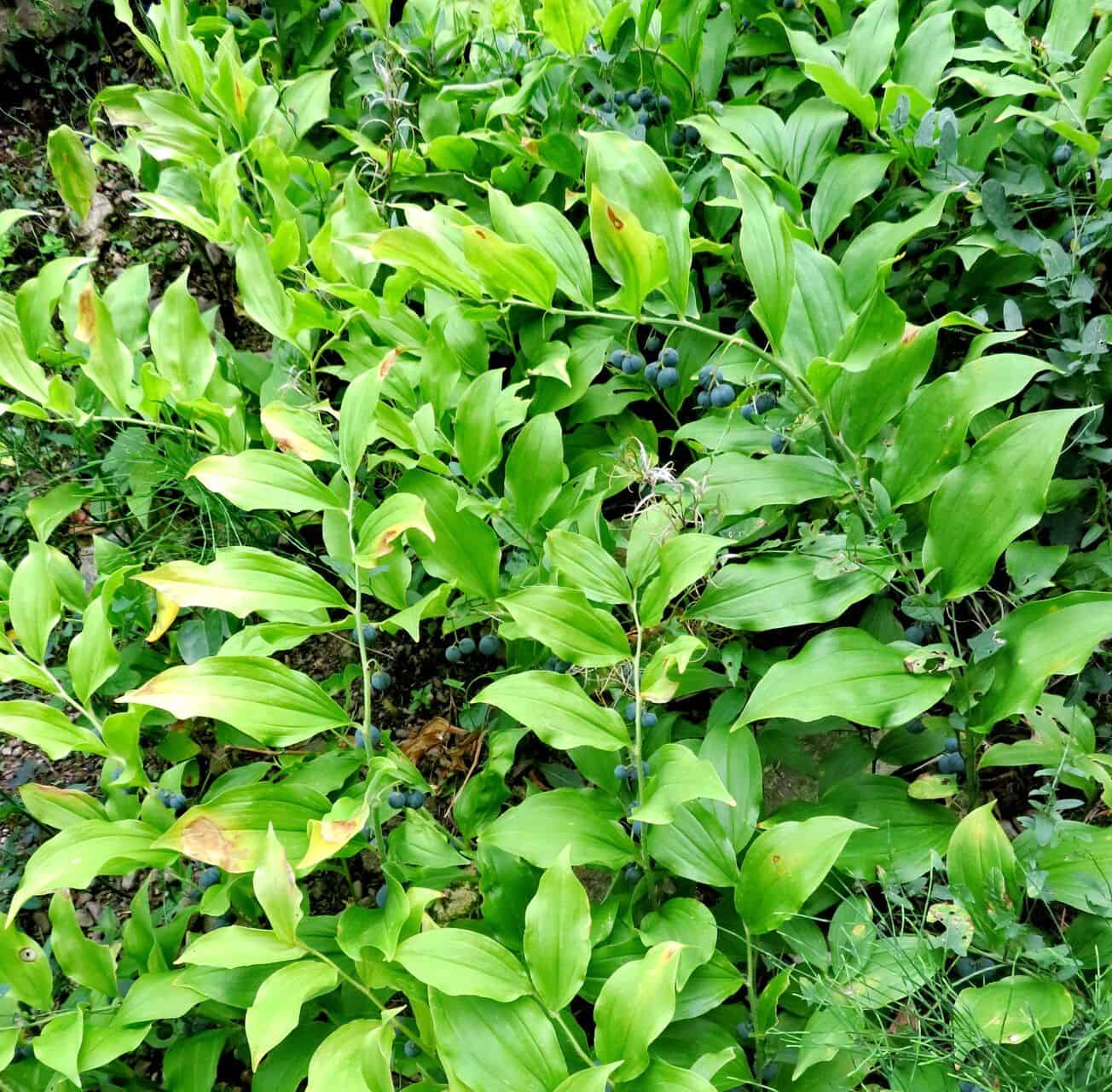
Unlocking the Secrets of Solomon’s Seal Propagation: A Guide to Multiplying Your Polygonatum Latifolium
Solomon’s Seal (Polygonatum latifolium) is a woodland gem, prized for its arching stems, delicate bell-shaped flowers, and graceful foliage. If you’re lucky enough to have this beauty gracing your garden, you might be wondering how to propagate it and share its elegant charm.
Fortunately, Solomon’s Seal, while slow-growing, isn’t difficult to propagate. This guide will explore the two most effective methods: division and seed propagation.
The Power of Division: The Simplest Path to Propagation
Division is the most straightforward and reliable method for propagating Polygonatum latifolium. Here’s how it’s done:
Timing is Key: The optimal time for division is late summer or early fall, after the plant has finished flowering and the foliage begins to yellow. This timing allows the divisions to establish roots before winter.
Division Process:
- Careful Excavation: Using a garden fork, gently lift the entire clump of Solomon’s Seal from the ground, ensuring you dig a wide circle around the plant to minimize root disturbance.
- Division Time: Gently shake off excess soil and carefully pull apart the rhizomes (thick, underground stems). Each division should have at least 3-4 healthy shoots and a good network of roots.
- Replanting: Choose a shady spot with well-drained, humus-rich soil. Plant the divisions at the same depth they were originally growing, spacing them about 12-18 inches apart.
- Water Wisely: Water thoroughly after planting and keep the soil evenly moist, especially during dry periods, until the divisions are established.
Seed Propagation: A Test of Patience
While more time-consuming, propagating Polygonatum latifolium from seed can be an exciting endeavor. Here’s what you need to know:
Seed Collection: Collect seeds from mature berries in late summer or early fall. The berries will be plump and dark blue when ripe.
Sowing Strategies:
- Direct Sowing (Fall): Sow seeds directly outdoors in prepared seedbeds in fall. This method utilizes natural winter stratification to break seed dormancy.
- Indoor Sowing (Spring): For earlier germination, sow seeds indoors 6-8 weeks before the last frost. Cold stratification is necessary – mix seeds with damp vermiculite and store them in the refrigerator (35-40°F) for 6-8 weeks before sowing in seed trays.
Seedling Care:
- Patience is Paramount: Germination can be slow and erratic, taking anywhere from a few weeks to a year.
- Light and Water: Provide seedlings with filtered light and maintain consistent moisture.
- Transplanting Time: Once seedlings have developed several sets of true leaves, they can be transplanted to individual pots or directly into the garden in spring.
The Rewards of Propagation
Propagating your own Polygonatum latifolium is a rewarding experience that allows you to expand your collection of these captivating plants. Whether you choose the simplicity of division or embark on the journey of seed propagation, you’ll be rewarded with more of these enchanting woodland treasures to grace your shady haven for years to come.