
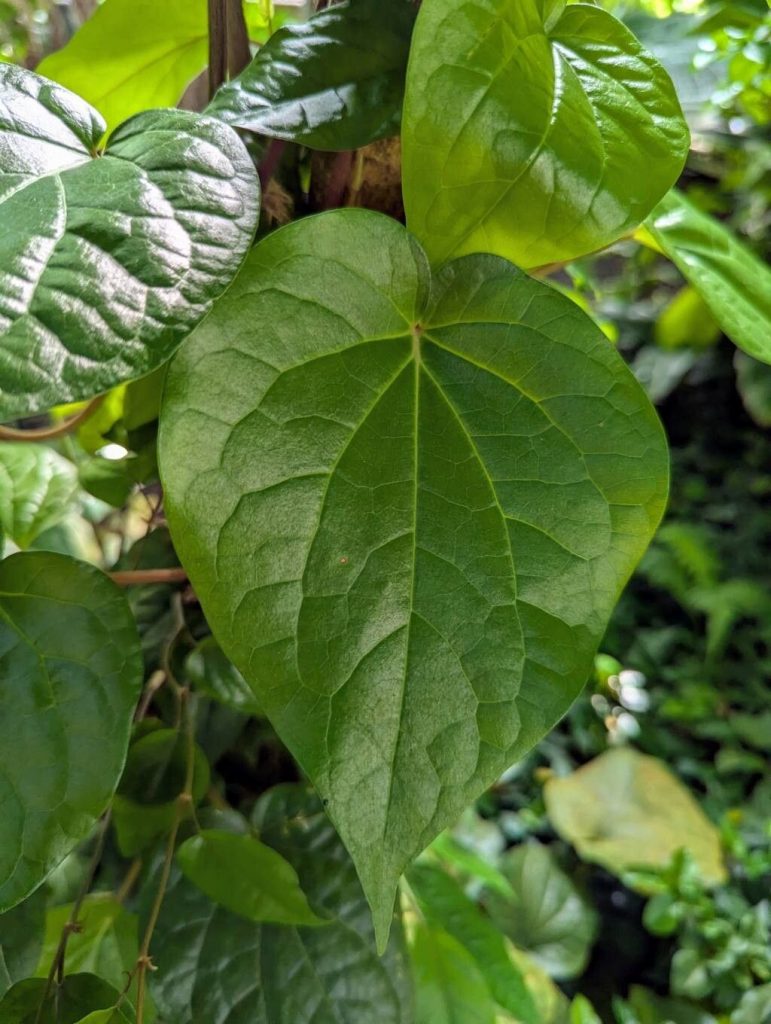
Propagating Piper betle: Cultivating the Betel Vine
Introduction:
Piper betle, commonly known as betel leaf or paan, is a vine of significant horticultural and cultural importance across South and Southeast Asia. Its heart-shaped, aromatic leaves are widely used in various cultural traditions, primarily chewed with areca nut and other ingredients. While relatively easy to maintain once established, propagation can present some challenges, making successful cultivation a rewarding endeavor for enthusiastic gardeners. The plant’s vigorous growth habit and its tendency to root easily, however, offer some advantages in certain propagation methods.
Seed Germination:
Currently, there are no known reliable methods for seed germination propagation of Piper betle. Betel vines are predominantly dioecious, meaning they possess separate male and female plants, and seed production is often low even under ideal circumstances. Further compounding this, even when seeds are produced, their viability is often poor, leading to low germination rates. Therefore, reliance on seed propagation is generally not recommended.
Cuttings:
Cuttings are the most common and successful method for propagating Piper betle.
-
Challenges: While generally easy, success depends on selecting healthy, actively growing stems and providing appropriate conditions for rooting. Using older, woody stems can reduce the chances of success. Fungal diseases can also affect cuttings if hygiene is not maintained.
-
Practical Tips: Use semi-hardwood cuttings, approximately 10-15 cm long, taken from healthy stems with several nodes. Remove lower leaves to prevent rotting. Dip the cut ends in rooting hormone to encourage root development. Plant the cuttings in a well-draining, moist potting mix, maintaining high humidity (e.g., using a humidity dome or plastic bag). Keep the cuttings in a warm, shaded location.
- Rewards: Cuttings offer a straightforward approach to producing multiple plants from a single mother plant, preserving the desirable characteristics of the parent. This method is ideal for home gardeners and small-scale propagation.
Division:
Division is another relatively simple method for propagating established Piper betle plants.
-
Challenges: This method is only viable for mature plants with well-developed root systems. Dividing the plant too aggressively can damage the roots, leading to plant stress and potentially failure.
-
Practical Tips: Carefully dig up the mature plant and gently separate it into smaller sections, ensuring each section retains sufficient roots and shoots. Replant the divisions immediately in well-prepared soil and maintain appropriate watering and humidity.
- Rewards: Division allows for rapid increase in the number of plants and helps maintain the characteristics of the parent plant. It’s a less labor-intensive method compared to taking numerous cuttings.
Tissue Culture:
Tissue culture propagation offers a highly efficient method for large-scale multiplication of Piper betle.
-
Challenges: Requires specialized equipment, aseptic conditions, and a knowledgeable technician. This method is generally too complex and costly for the average home gardener.
-
Practical Tips: Sterilization is critical; explant selection, media preparation, and contamination control are key aspects. Specific protocols for Piper betle tissue culture are available in scientific literature.
- Rewards: Allows for rapid and large-scale propagation, disease-free plantlets, and the conservation of rare or superior genotypes.
Conclusion:
Propagating Piper betle presents a spectrum of challenges and rewards depending on the method chosen. While seed germination is unreliable, cuttings and division offer viable options for most home growers, providing a rewarding experience for those who appreciate the cultural significance and aesthetic appeal of this plant. Tissue culture, while highly efficient, is best left to larger-scale nurseries or research facilities. The satisfaction derived from successfully cultivating Piper betle, overcoming the inherent difficulties in its propagation, makes it a unique and fulfilling horticultural endeavor. For aspiring propagators, starting with cuttings offers the best balance between simplicity and success, paving the way to enjoy the beauty and utility of this remarkable vine.