
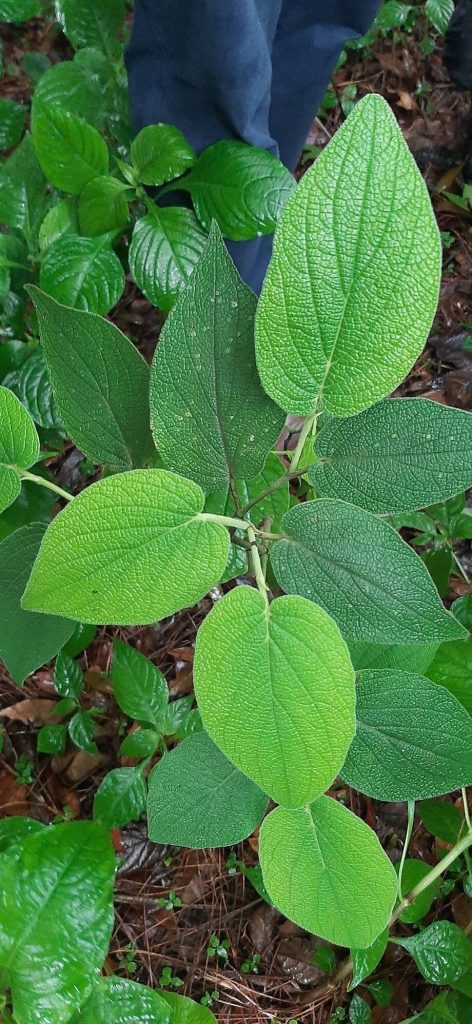
Propagating Piper bredemeyeri: A Gardener’s Guide to a Challenging yet Rewarding Plant
Piper bredemeyeri, commonly known as the Amethyst Pepper or sometimes simply as a type of “pepper plant,” is a captivating vine prized for its stunning, deep purple-tinged foliage and elegant, heart-shaped leaves. Its unusual color makes it a popular choice among plant enthusiasts, adding a unique texture and vibrancy to indoor gardens and hanging baskets. However, propagating this attractive vine presents several challenges. While successful propagation brings great satisfaction, understanding the complexities is key.
Seed Germination:
Currently, there are no known reliable methods for seed germination propagation of Piper bredemeyeri. This is likely due to a combination of factors, including potential dormancy mechanisms within the seeds and low germination rates even under ideal conditions. Further research is needed to determine if seed germination is possible.
Cuttings:
Challenges: Propagating Piper bredemeyeri from cuttings is the most common and potentially successful method, but it requires patience and attention to detail. The cuttings are prone to rot if not handled carefully, and successful rooting can be slow.
Practical Tips: Take semi-hardwood cuttings (about 4-6 inches long) in spring or early summer from healthy, actively growing shoots. Remove lower leaves to prevent rot and dip the cut ends in a rooting hormone powder. Plant the cuttings in a well-draining mix, such as a perlite and peat moss blend, ensuring they are kept consistently moist but not waterlogged. High humidity is crucial; a propagation dome or plastic bag will help maintain this. Placing the cuttings under indirect light is also recommended.
Rewards: While slower than other methods, successful rooting from cuttings provides genetically identical offspring, preserving desirable plant characteristics. This method is relatively simple to perform compared to tissue culture, making it accessible to home gardeners.
Division:
Challenges: Division is only feasible for established, mature Piper bredemeyeri plants. Care must be taken to avoid damaging the delicate roots, and each section needs to have sufficient root mass to survive.
Practical Tips: Division is best done in spring or early summer during the growing season. Gently remove the plant from its container, carefully separate the root ball into multiple sections, each with its own stem and root system. Replant immediately in a suitable potting mix. Handle the roots gingerly to avoid breakage.
Rewards: This method is relatively quick and simple, producing instant, larger plants, though limited by the size of the mother plant.
Tissue Culture:
Challenges: Tissue culture is a complex technique requiring specialized equipment, sterile conditions, and a detailed understanding of plant physiology. Although potentially effective for mass production, the setup cost is high and may not be feasible for home gardeners.
Practical Tips: This method generally involves sterilizing plant segments (explants), placing them on a nutrient-rich agar medium, and fostering growth in a controlled environment, free of contamination. This requires specialized knowledge and equipment.
Rewards: Tissue culture allows for the rapid propagation of many genetically identical plants from a single parent plant, opening up opportunities for large-scale commercial cultivation and conservation efforts. However, the complexity and cost render this impractical for most hobbyists.
Conclusion:
Propagating Piper bredemeyeri successfully presents unique challenges across all methods. While seed germination remains unexplored, cuttings offer the most accessible approach for home gardeners, requiring patience and attention to humidity and moisture levels. Division is viable only for mature plants, while tissue culture, though efficient, has a steep learning curve and high setup costs. The rewards, however, are well worth the effort. Successfully nurturing a new plant from a cutting or division provides a profound sense of accomplishment, highlighting the joy of gardening and the unique beauty of this striking vine. For aspiring propagators, don’t be discouraged by initial setbacks; persist with your chosen method, paying close attention to detail, and you will find the satisfaction of seeing your efforts blossom.