
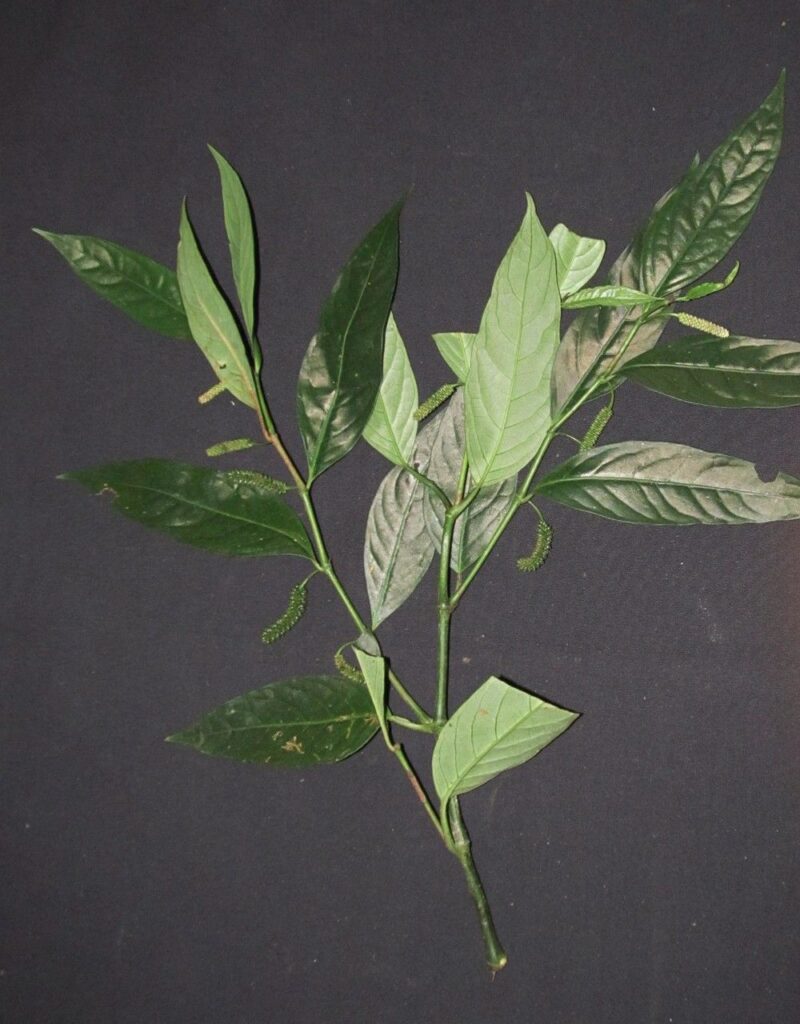
Lighting the Way: Propagating the Majestic Piper Candelarianum
The Piper candelarianum, also known as the Candlestick Pepper, is a sight to behold. Native to Central and South America, this tropical beauty captivates with its large, deeply-veined, almost iridescent leaves that seem to shimmer in the sunlight. If you’re lucky enough to own this stunner or are considering adding one to your collection, you might be wondering about the best way to propagate it. Luckily, Piper candelarianum is relatively easy to multiply, allowing you to share its beauty or expand your own indoor jungle.
Two Proven Paths to Propagation
There are two primary methods for propagating Piper candelarianum: stem cuttings and air layering.
1. Stem Cuttings: The Go-To Method
Stem cuttings are the most common and arguably the simplest way to propagate your Piper candelarianum. Here’s how:
- Timing is Key: The best time for taking cuttings is during the plant’s active growing season, which is typically spring through early summer.
- Choosing Your Cuttings: Select healthy, non-flowering stems. Ideally, each cutting should be around 4-6 inches long and have at least two nodes (the small bumps where leaves emerge).
- Preparing the Cuttings: Using a sharp, sterilized knife or pruning shears, make a clean cut just below a node. Remove the leaves from the lower inch or two of the stem.
- Rooting Hormone (Optional): While not strictly necessary, dipping the cut end in rooting hormone can speed up the process.
- Planting and Patience: Plant the cuttings in a well-draining potting mix, burying at least one node. Water thoroughly and place in a warm, humid environment with bright, indirect light.
- Signs of Success: Roots should begin to develop in a few weeks. You can gently tug on the cutting to check for resistance, a sign that roots are establishing. Once the cutting shows robust new growth, you can transplant it to a larger pot.
2. Air Layering: For Advanced Growers
Air layering is a more advanced technique that involves encouraging root growth on a stem while it’s still attached to the parent plant. While a bit more complex, this method can be successful in propagating larger, more established plants.
- Choosing a Stem: Select a healthy, mature stem.
- Creating the Wound: Make a small, upward-facing cut about halfway through the stem, approximately 1-2 inches below a node. You can insert a toothpick into the cut to keep it open.
- Applying Rooting Hormone: Apply rooting hormone to the wounded area.
- The Wrap: Encase the wounded section with moist sphagnum moss and wrap it securely with plastic wrap, ensuring the moss stays in contact with the wound.
- Maintaining Moisture: Regularly check the moss to ensure it stays moist. You may need to mist it periodically.
- Root Development: Roots will generally develop within a few weeks to a couple of months.
- Separating the Layer: Once a healthy root system is visible through the plastic, you can cut the stem below the new roots and pot the layered section as a new plant.
A Few Final Tips
- Piper candelarianum thrives in high humidity, so consider using a humidity dome or placing a plastic bag loosely over the cuttings/air layering to create a humid microclimate.
- Be patient! Propagation takes time. Don’t be discouraged if you don’t see results immediately.
- With a little care and attention, you’ll have success in propagating this incredible plant and enjoy its beauty for years to come.