
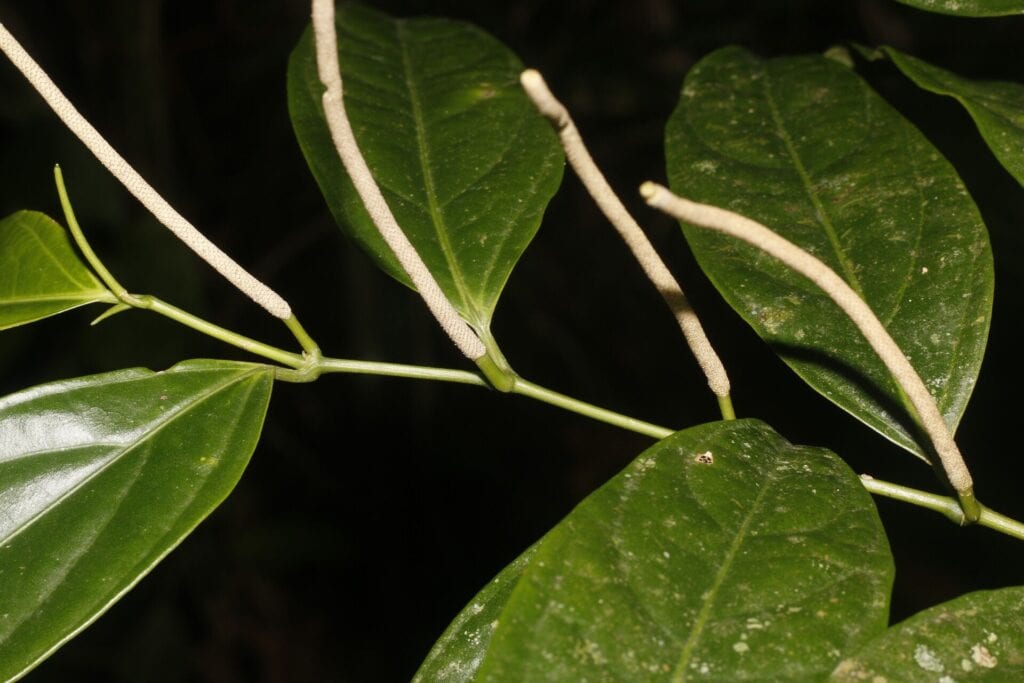
Unlocking the Secrets of Propagation: How to Multiply Your Piper Concinnifolium
The Piper concinnifolium, also known by its charming alias "Miniature Pepper", may bring a unique, peppery zest to your meals, but did you know that propagating this little wonder is an adventure in itself? Yes, fellow plant lovers, saying goodbye to simply admiring this beauty from afar is easier than you think! In this blog post, we’ll delve into the rewarding world of propagating your very own Piper concinnifolium.
Before we roll up our sleeves and get our hands dirty (figuratively!), let’s understand the two primary methods of propagating this intriguing plant:
1. Stem Cuttings: A Classic Approach
This is the most popular and arguably the easiest method for propagating your Piper concinnifolium. Here’s what you’ll need:
- Sharp, sterilized pruning shears or scissors: Cleanliness is paramount to avoid any unwanted fungal infections.
- A healthy mother plant: It all starts with a vibrant plant that’s ready to share its bounty.
- Seed starting mix or well-draining potting soil: This ensures proper drainage and air circulation for the new roots.
- Small pots or trays: To house your newly cut hopefuls.
- Rooting hormone (optional): While not mandatory, rooting hormone can significantly boost your chances of success.
The Process:
- Identify healthy stems on your mature Piper concinnifolium. Look for stems that are actively growing and free of any disease or damage.
- Using your sterilized shears, take cuttings about 3-4 inches long, making a clean cut just below a leaf node (the point where a leaf emerges from the stem).
- Remove the leaves from the bottom inch or two of the cutting. This encourages root development from those nodes.
- Dip the cut end of the stem in rooting hormone (optional), gently tapping off any excess.
- Plant the cuttings in your prepared pots filled with moist seed starting mix, burying the bottom nodes.
- Place the pots in a warm, bright location, out of direct sunlight. Maintain a humid environment by covering the pots with a plastic bag or using a humidity dome.
- Check the moisture level regularly and mist the soil if it feels dry.
Within a few weeks, your cuttings should develop roots. You’ll notice new growth at the top of the cutting, a sure sign of success! Once the roots are established, you can transplant your new Piper concinnifolium into individual pots.
2. Layering: A Natural Phenomenon
Layering is a less common but equally effective method, mimicking the plant’s natural ability to reproduce. It involves encouraging root development from a stem while it’s still attached to the mother plant.
The Process:
- Choose a healthy stem that’s long and flexible enough to be bent towards the soil.
- Gently wound the stem by lightly scraping or making a small incision on the underside of the portion you intend to bury.
- Bend the wounded portion down and secure it into a small pot filled with moist potting soil using a landscape pin or a small rock. Ensure the wounded area is completely buried.
- Keep the soil consistently moist and wait patiently.
After a few weeks, roots should start to form at the wounded section. You can check for root development by gently tugging on the layered stem. Once you see resistance, you can carefully separate the newly rooted plant from the mother plant and pot it individually.
A Few Parting Tips:
- Patience is key: Propagation takes time, so don’t get discouraged if you don’t see results overnight.
- Maintain the right environment: Keep your cuttings or layers consistently moist, warm, and in indirect sunlight.
- Don’t be afraid to experiment: Every plant is different, so feel free to adjust the techniques based on your observations.
Propagating your Piper concinnifolium is a fulfilling experience that allows you to expand your plant family while deepening your connection with this fascinating species! Now you have the knowledge and tools to embark on your propagation adventure – happy growing!