
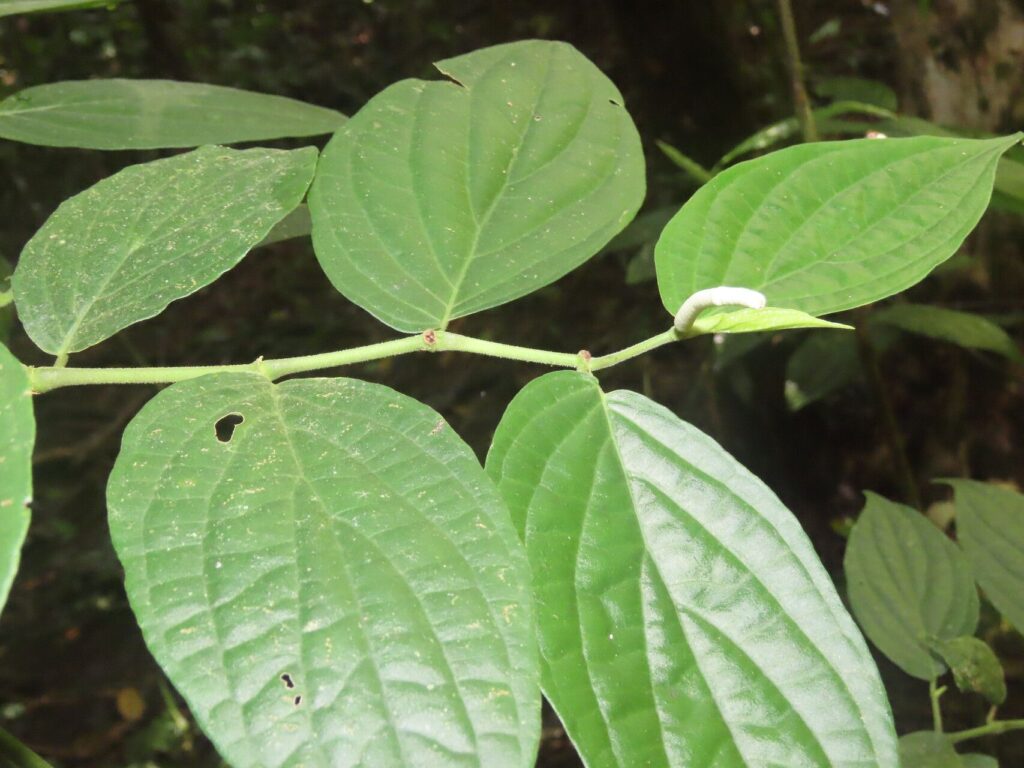
From Snipping to Thriving: Unlocking the Secrets of Piper Curvipilum Propagation
Have you fallen in love with the unique beauty of Piper curvipilum, the captivating plant with its captivating foliage? This tropical gem, known for its large, heart-shaped leaves and vibrant green hues, is a real conversation starter. But what if you want to share this beauty with friends or simply expand your own green oasis?
The good news is that Piper curvipilum can be propagated, meaning you can create new plants from existing ones. While it might seem daunting at first, propagating this plant is actually quite achievable with a little patience and the right know-how.
Why Propagate?
Before we dive into the methods, let’s briefly explore the benefits of propagation:
- Affordability: Starting new plants from cuttings is significantly cheaper than buying new ones.
- Preservation: Propagating allows you to preserve your favorite plant varieties.
- Customization: You can create unique plants by experimenting with different propagation methods and combinations.
- Joy of Creation: There’s an immense satisfaction in seeing new life emerge from your own efforts!
Methods of Propagation for Piper curvipilum
Piper curvipilum can be propagated using two primary methods:
1. Stem Cuttings: This is the most common and often successful method for propagating this plant.
- Timing is Key: The best time to take cuttings is during the active growing season, typically in spring or summer.
- Select a Healthy Cutting: Choose a stem that is about 4-6 inches long, free from diseases or pests. Ideally, it should have at least two sets of leaves.
- Prepare the Cutting: Use a sharp blade or pruning shears to cut the stem just below a node (the point where a leaf grows). Remove the leaves from the bottom inch or two of the cutting.
- Rooting Medium: Prepare a pot or small container filled with a well-draining potting mix or a peat moss/perlite mixture. Dip the cut end of the stem into rooting hormone (optional).
- Insert the Cutting: Make a small hole in the potting mix and insert the cutting, ensuring the node is buried.
- Provide Moisture and Light: Gently water the cutting and place it in a bright, indirect light location. Maintain consistent moisture without overwatering. You can use a plastic dome or bag over the pot to create a humid environment.
- Patience is Key: Roots will typically develop within 4-6 weeks. You’ll know the cutting has rooted successfully when new growth appears at the top.
2. Air Layering: This method involves encouraging roots to develop on a stem while it’s still attached to the parent plant.
- Choose a Branch: Select a healthy branch that is at least 4-6 inches long and has a good amount of foliage.
- Make an Incision: Using a sharp blade, make a horizontal cut all the way through the stem.
- Apply Rooting Hormone: Dust both sides of the incision with rooting hormone.
- Wrap the Cut: Wrap the wounded area with damp sphagnum moss, secure it with plastic wrap, and wrap the whole thing with aluminum foil to keep moisture in.
- Wait and Observe: Monitor the moss regularly to ensure it stays moist. In several weeks, roots should start forming.
- Separate the Layering: Once the roots are well-developed, cut the stem below the wrap, remove the moss and foil, and plant the new layered plant into a pot filled with fresh potting mix.
Important Tips for Success:
- Use Clean Tools: Sterilize your tools before working with your plant to prevent the spread of diseases.
- Utilize a Humid Environment: Provide high humidity for your cuttings or layered plants. You can use a plastic dome, bag, or even a pebble tray to increase humidity levels.
- Be Patient and Consistent: Propagation takes time and patience. Don’t give up if you don’t see results immediately.
Sharing the Beauty:
With a little time and effort, you can successfully propagate Piper curvipilum and enjoy its beauty in multiple locations. Whether it’s sharing a cutting with a friend or adding more vibrant foliage to your own collection, propagating this plant is a rewarding experience for any plant enthusiast. So grab your tools and let the joy of cultivating new life begin!