
Unlocking the Secrets of Pitcairnia altensteinii Propagation: A Guide for Plant Enthusiasts
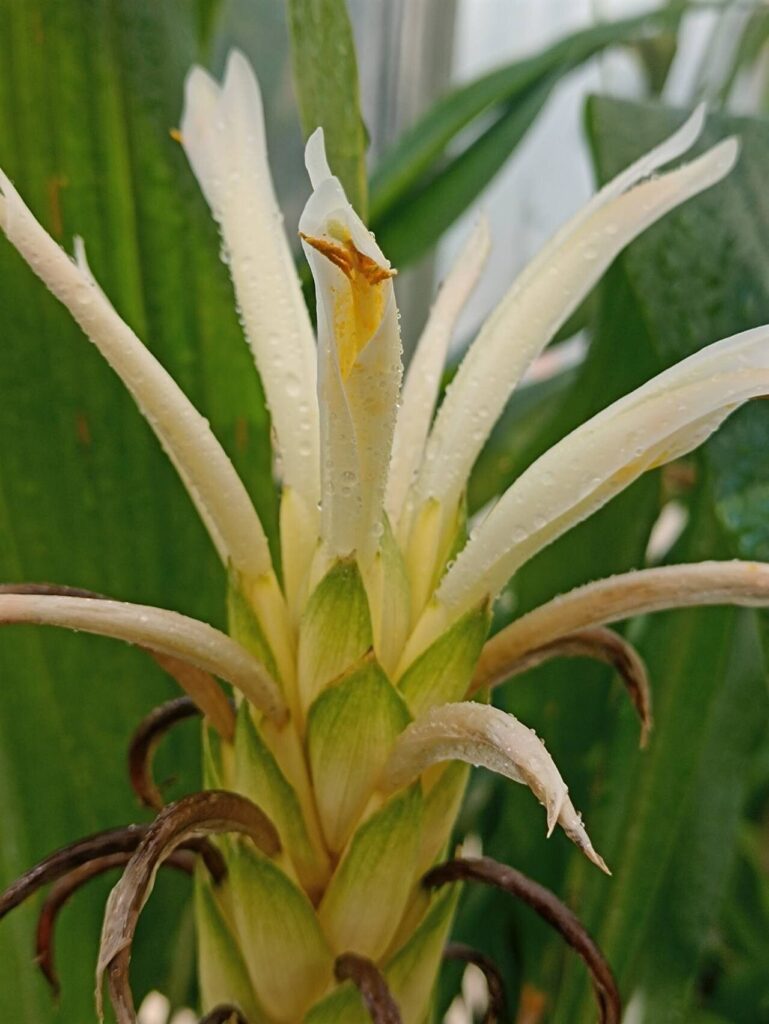
The Pitcairnia altensteinii, with its vibrant crimson floral bracts and captivating rosette of leaves, is a showstopper in any plant collection. Native to the rainforests of Central and South America, this epiphytic bromeliad isn’t just admired for its striking beauty, but also for being relatively low-maintenance. However, for those who want to expand their collection or share this exotic beauty with friends, understanding its propagation methods is key.
While Pitcairnia altensteinii can be grown from seeds, the process is lengthy and requires patience. A more accessible and common approach, even for beginner plant enthusiasts, is through offsets, often called “pups”.
Propagating Pitcairnia altensteinii: The Power of Pups
Pitcairnia altensteinii produces offsets, or “pups,” at the base of the mother plant after flowering. These pups are essentially miniature versions of the parent plant, ready to grow into independent beauties. Here’s a step-by-step guide to successful propagation using pups:
1. Identifying the Right Pups:
- Wait until the pups are at least one-third the size of the mother plant, ideally with their own root system. This usually takes a few months after flowering.
- Look for pups that appear healthy with vibrant green leaves and a firm base.
2. Gently Separate the Pups:
- Use a clean, sharp knife or pair of gardening shears to carefully detach the pup from the mother plant.
- Aim for a clean cut as close to the mother plant’s base as possible, ensuring the pup retains its roots.
3. Prepping the Pups and Potting Mix:
- Allow the cut surface of the pup to air dry for a day or two. This helps prevent rot once potted.
- Prepare a well-draining potting mix ideal for epiphytes. A mix of orchid bark, perlite, and peat moss works well.
4. Potting Your New Pitcairnia altensteinii:
- Choose a pot with adequate drainage holes, slightly larger than the pup’s size.
- Fill the pot with the prepared mix, create a small well in the center, and gently place the pup, ensuring its base is level with the soil surface.
-
Lightly firm the soil around the base to provide support.
5. Watering & Aftercare:
- Water the newly potted pup thoroughly, allowing excess water to drain.
- Place the pot in a warm, humid environment with bright, indirect light. Avoid direct sunlight, which can scorch the young plant.
- Keep the potting mix consistently moist but not soggy. Overwatering can lead to root rot.
6. Patience is Key:
- Unlike some plants that show rapid growth, Pitcairnia altensteinii pups may take their time to establish.
- Be patient and continue providing optimal care, and you’ll be rewarded with a new generation of these stunning bromeliads.
Beyond Offsets: Exploring Seed Propagation
While more time-consuming, growing Pitcairnia altensteinii from seed offers a unique sense of accomplishment. Seeds require warm temperatures, high humidity, and a well-draining, sterile seed-starting mix to germinate. It’s a rewarding challenge for those ready to test their green thumbs with a longer-term project!
Propagating Pitcairnia altensteinii allows you to multiply your collection and share these magnificent plants. With proper care and attention, your new pups will thrive and eventually bloom, adding a touch of exotic beauty to your home for years to come.