
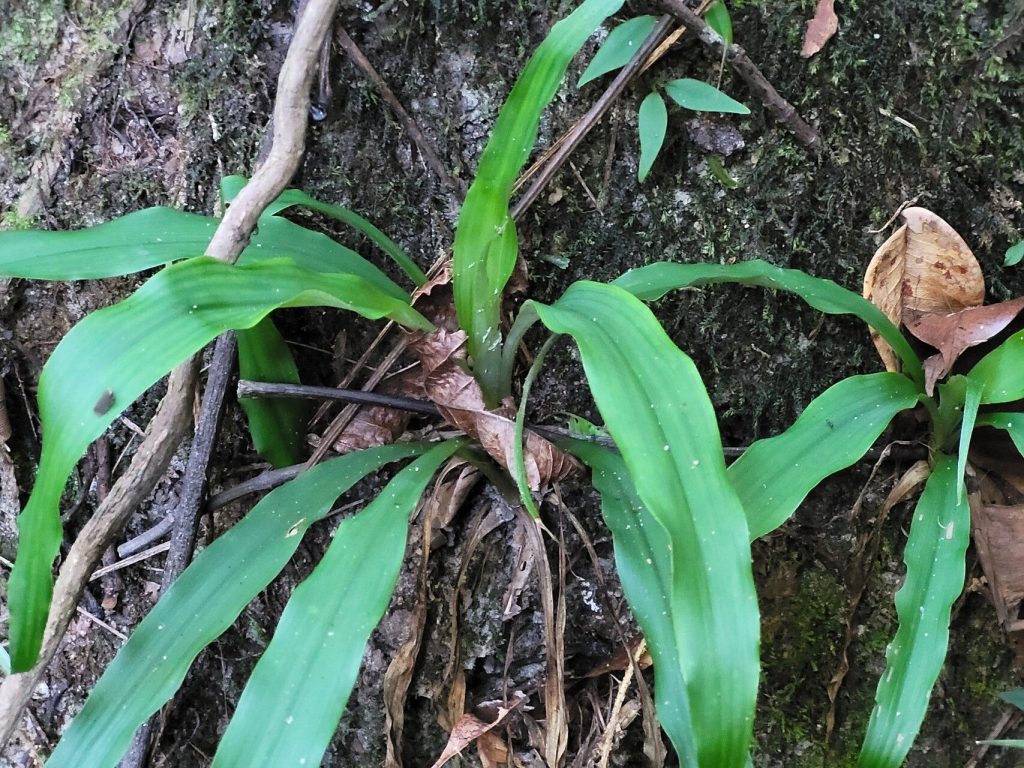
Propagating Pitcairnia rubiginosa: A Gardener’s Guide to the Rusty-leaved Bromeliad
Pitcairnia rubiginosa, commonly known as the rusty-leaved Pitcairnia, is a captivating bromeliad prized for its striking, rusty-red foliage and vibrant, albeit infrequent, blooms. Its relatively compact size and tolerance of a range of conditions (while preferring bright, indirect light) have made it a popular addition to both indoor and outdoor collections among bromeliad enthusiasts. However, propagating this beauty presents some unique challenges. This article explores various methods, highlighting their viability and offering practical guidance.
Seed Germination:
Currently, there are no known reliable methods for seed germination propagation of Pitcairnia rubiginosa. While seeds may be produced, their germination rate is extremely low, often yielding little to no viable seedlings even under ideal conditions. Further research is needed to determine optimal germination protocols, including potential stratification needs or specific temperature and humidity requirements. For now, relying on seed propagation for this species is generally not recommended.
Cuttings:
Propagating Pitcairnia rubiginosa from cuttings presents moderate challenges. While leaf or stem cuttings have not proved reliably successful, basal offsets (pups) that develop at the base of the mother plant offer a much more viable option.
-
Challenges: Offsets often remain small and slow-growing before becoming separable from the mother plant. Over-watering can lead to rot before the offset develops sufficient root systems.
-
Practical Tips: Patiently wait until offsets are at least one-third the size of the mother plant and have developed their own healthy root systems. Carefully separate the offset, ensuring it has a good root mass. Plant in a well-draining potting mix appropriate for bromeliads, ensuring excellent drainage. Keep the potting mix slightly moist, avoiding overwatering, and provide ample, indirect light.
- Rewards: This method provides genetically identical plants, preserving desirable traits. It’s a relatively straightforward method once sufficient offsets are available.
Division:
Division is effectively the same process as propagating from offsets, as described in the cuttings section. While the term "division" might suggest a more extensive separation of a larger plant, Pitcairnia rubiginosa generally doesn’t become large enough to warrant a more aggressive splitting of the rhizome. The focus remains on separating well-developed basal offsets.
Tissue Culture:
Tissue culture offers a potential avenue for large-scale propagation of Pitcairnia rubiginosa. However, this method requires specialized equipment, sterile conditions, and a significant technical knowledge base.
-
Challenges: Establishing a sterile culture and finding suitable growth media are crucial hurdles. The process is expensive and time-consuming.
-
Practical Tips: This is best left to experienced tissue culture laboratories or specialized propagation facilities. They possess the expertise and resources to optimize the process for successful multiplication.
- Rewards: Large-scale propagation is possible, allowing for the production of numerous genetically identical plants in a relatively short timeframe.
Conclusion:
Propagating Pitcairnia rubiginosa presents unique challenges, particularly when considering seed germination. While cuttings (from offsets/pups) and division offer more reliable results, patience and attention to detail are crucial for success. Tissue culture offers a pathway for large-scale production, but that remains a specialized undertaking. The rewards – cultivating these beautiful plants from your own propagated specimens – far outweigh the difficulties. Patience, careful observation, and a proactive approach to watering are key to success. Don’t be discouraged by initial setbacks; the satisfaction of nurturing a rusty-leaved Pitcairnia from a small offset to a mature, flowering plant is a rich gardening experience.