
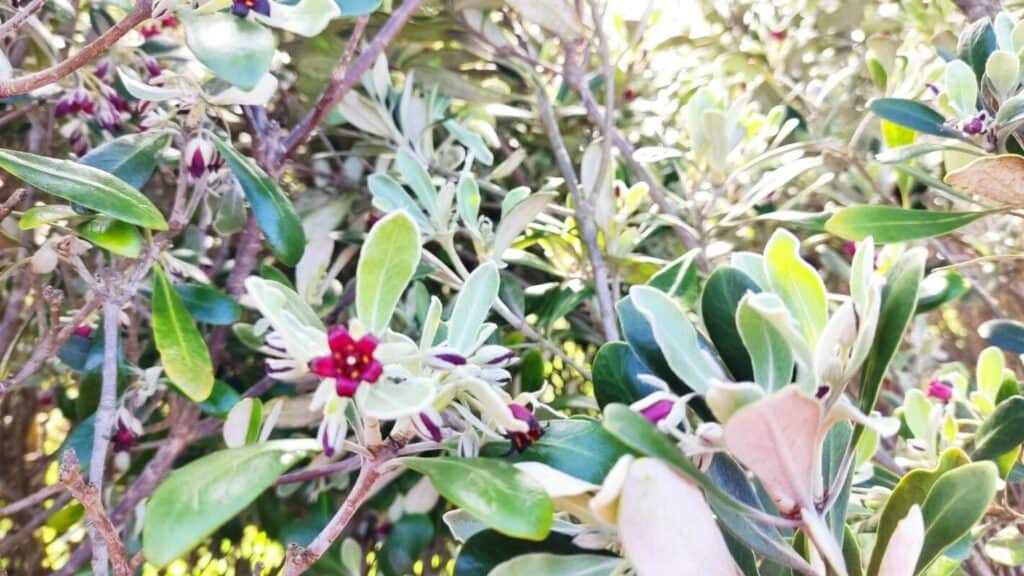
Multiply Your Karo: Easy Propagation Techniques for Pittosporum Crassifolium
The Pittosporum Crassifolium, also known as Karo, is a New Zealand native known for its beautiful dark green foliage, fragrant yellow flowers, and hardy nature. If you’re lucky enough to have one gracing your garden, you might be wondering how to create more of these lovely plants. Well, you’re in luck! Propagating Karo is achievable even for novice gardeners. Let’s explore two common methods: propagation from cuttings and growing from seed.
Method 1: Striking Success with Cuttings
Taking cuttings is the most popular way to propagate Karo, offering a higher success rate and a quicker journey to a mature plant. Here’s how:
1. Timing is key: The best time to take cuttings is during the active growing season, ideally in late spring or early summer. This is when the plant’s energy is high, increasing the chances of successful rooting.
2. Selecting your cuttings: Choose healthy, non-flowering stems that are semi-hardwood – meaning they are firm but not completely woody. Aim for cuttings around 4-6 inches long.
3. Preparing the cuttings:
- Using clean, sharp pruning shears, make a cut just below a leaf node (the point where a leaf attaches to the stem).
- Remove the lower leaves, leaving only 2-3 leaves at the top. This minimizes water loss and focuses the plant’s energy on root development.
- To further encourage rooting, dip the cut end in rooting hormone powder (optional but recommended).
4. Planting and care:
- Plant the cuttings in a well-draining potting mix specifically designed for cuttings.
- Water thoroughly and cover the pot with a plastic bag or a propagation dome to create a humid environment.
- Place the pot in a warm, bright location, out of direct sunlight.
- Check the moisture regularly and mist the soil if it feels dry.
5. Patience is a virtue: It takes about 6-8 weeks for the cuttings to develop roots. You can gently tug on a cutting to check for resistance, indicating root growth. Once roots are established, you can transplant them into individual pots or directly into your garden.
Method 2: The Patience of Seed Starting
While slightly less predictable and more time-consuming, growing Karo from seed can be a rewarding experience.
1. Seed collection: Karo produces small capsules that contain numerous seeds. Collect these capsules when they turn brown and start to dry out. Extract the seeds and allow them to dry completely.
2. Sowing the seeds:
- Fill seed trays with a well-draining seed-starting mix.
- Sow the seeds on the surface and lightly cover them with a thin layer of mix.
- Water gently using a spray bottle to avoid disturbing the seeds.
3. Providing optimal conditions:
- Place the seed tray in a warm, bright location, out of direct sunlight.
- Cover the tray with a plastic wrap or a humidity dome to create a greenhouse effect.
- Keep the soil consistently moist but not waterlogged.
4. Germination and beyond:
- Germination can take anywhere from a few weeks to a few months, so patience is crucial.
- Once the seedlings emerge and have a few sets of true leaves, you can carefully transplant them into individual pots.
- Gradually acclimate the seedlings to outdoor conditions before planting them in the garden.
No matter which propagation method you choose, remember to provide your new Karo plants with plenty of care and attention. With the right conditions, you’ll soon be enjoying even more of these gorgeous evergreen shrubs in your outdoor space.