
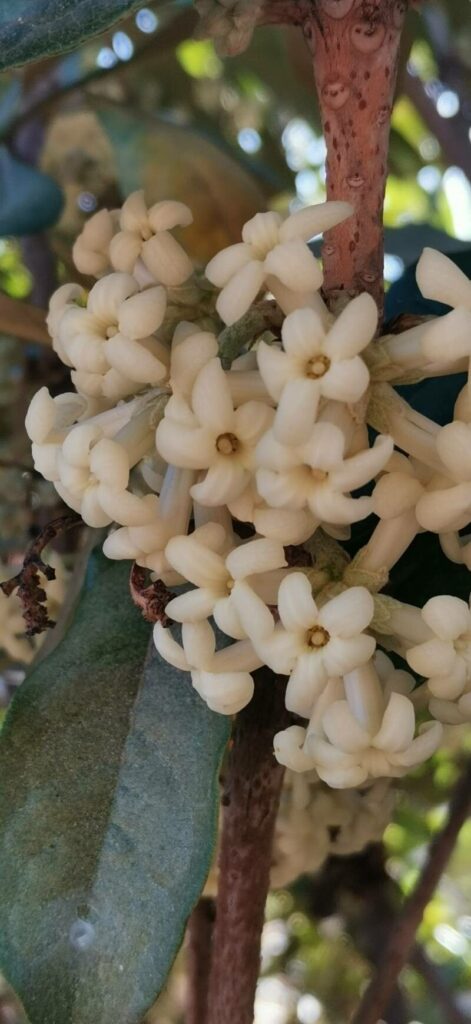
Unlocking the Secrets of Pittosporum Hosmeri Propagation: Growing Your Own Hawaiian Gem
Pittosporum hosmeri, also known as the Hoawa or the Cheesewood, is a stunning evergreen shrub native to the Hawaiian islands. This beautiful plant captivates with its glossy, dark green leaves and fragrant, creamy-white flowers, making it a desirable addition to gardens and landscapes. While readily available in nurseries, propagating your own Pittosporum hosmeri can be a rewarding experience for plant enthusiasts.
This comprehensive guide will unlock the secrets to propagating this Hawaiian gem, empowering you to expand your garden with ease.
Two Paths: Seed Propagation vs. Cuttings
There are two primary methods for propagating Pittosporum hosmeri:
1. Seed Propagation:
- Pros: Can produce multiple plants, a more economical choice.
- Cons: Requires patience, as germination can be slow and inconsistent.
2. Propagation from Cuttings:
- Pros: Faster results, preserves the characteristics of the parent plant.
- Cons: Requires more skill and attention to detail.
Method 1: Sowing the Seeds of Success
- Harvesting the Seeds: Collect ripe fruits from a Pittosporum hosmeri plant. The fruits ripen to a brown color and split open to reveal small, sticky seeds.
- Seed Preparation: Clean the seeds thoroughly to remove any pulp or debris. Soak the seeds in lukewarm water for 24 hours to improve germination rates.
- Sowing the Seeds: Plant the seeds in a well-draining seed-starting mix, covering them lightly with soil.
- Provide Optimal Conditions: Place the seed tray in a warm, brightly lit location but out of direct sunlight. Keep the soil consistently moist but not waterlogged.
- Germination: Patience is key! Seed germination can take several weeks to months.
- Transplanting: Once the seedlings have developed a few sets of true leaves, transplant them into individual pots filled with a well-draining potting mix.
Method 2: Mastering the Art of Cuttings
- Selecting the Right Cuttings: Choose healthy, non-flowering stems from a mature Pittosporum hosmeri plant. The ideal cuttings are about 4-6 inches long with several leaf nodes.
- Preparing the Cuttings: Using a sharp, sterilized knife or pruning shears, make a clean cut just below a leaf node. Remove the lower leaves, leaving a few leaves at the top.
- Encouraging Root Development (Optional): Dipping the cut end of the stem in rooting hormone powder can increase the chances of successful rooting.
- Planting the Cuttings: Insert the prepared cuttings into a pot filled with a well-draining rooting medium, such as a mixture of perlite and peat moss.
- Creating a Humid Environment: Cover the pot with a clear plastic bag or humidity dome to create a greenhouse-like environment that promotes rooting.
- Monitoring and Care: Place the pot in a warm, indirectly lit location. Mist the cuttings regularly to maintain humidity and keep the rooting medium consistently moist.
- Transplanting: After several weeks, gently tug on the cuttings. Resistance indicates successful root development. Once rooted, transplant the new plants into individual pots filled with well-draining potting mix.
Nurturing Your Pittosporum Hosmeri:
Whether you choose to propagate through seeds or cuttings, provide your Pittosporum hosmeri with these essential care tips:
- Sunlight: These plants thrive in full sun to partial shade.
- Watering: Water deeply but infrequently, allowing the soil to dry slightly between waterings.
- Fertilization: Feed your Pittosporum hosmeri with a balanced fertilizer during the growing season.
- Pruning: Prune regularly to maintain its shape and remove any dead or diseased branches.
Propagating your own Pittosporum hosmeri can be a uniquely satisfying experience. By following these simple steps and arming yourself with patience, you can enjoy the beauty of this captivating plant for years to come.