
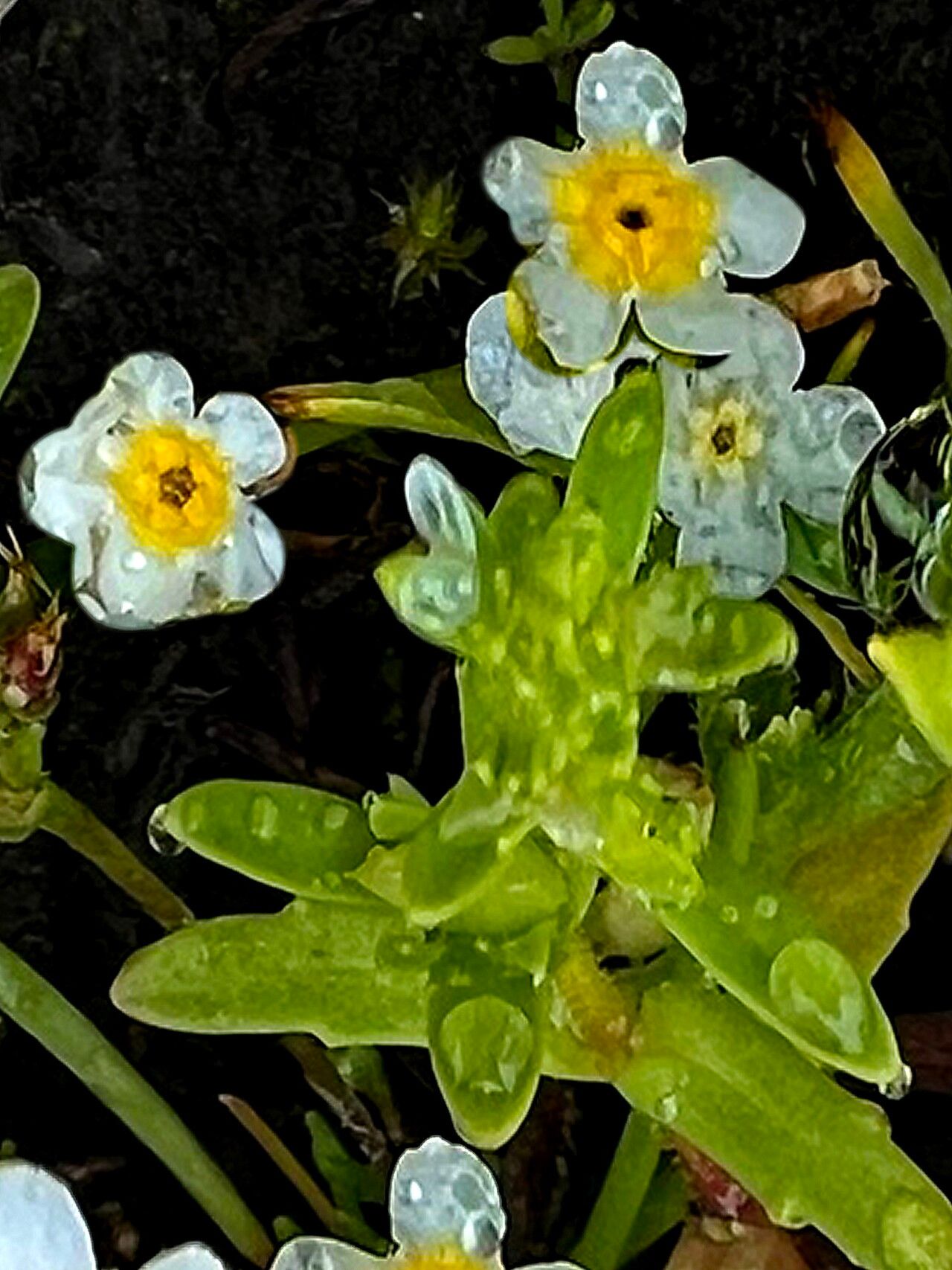
Propagating the Forget-Me-Nots of the Foothills: A Guide to Plagiobothrys figuratus
Introduction:
Plagiobothrys figuratus, commonly known as the figured popcornflower, is a charming annual or biennial native to California’s foothills and coastal regions. Its delicate, forget-me-not-like flowers in shades of white and pale blue, coupled with its drought tolerance and ability to thrive in poor soil, make it a prized addition to native plant gardens. While its delicate beauty enhances any landscape, propagating Plagiobothrys figuratus presents unique horticultural challenges, making successful cultivation all the more rewarding for the dedicated gardener. Its popularity among enthusiasts is driven by a desire to preserve this lovely native species and to utilize its adaptive characteristics in drought-tolerant landscaping.
Seed Germination:
Seed germination is a viable method for propagating Plagiobothrys figuratus, though it presents some challenges. The seeds possess a hard seed coat which can inhibit germination. Therefore, scarification, a process of weakening the seed coat (e.g., by gently nicking it with a file or using sandpaper), followed by stratification (exposure to cold, moist conditions for 4-6 weeks in a refrigerator), is recommended prior to sowing. Sow seeds in a well-drained seed-starting mix, barely covering them with soil, and maintain consistent moisture without overwatering. Germination can be slow and erratic, often taking several weeks. Rewards include high genetic diversity in the resulting seedlings and the potential for large-scale propagation suitable for restoration projects or creating substantial planting displays.
Cuttings:
Currently, there are no known reliable methods for propagation of Plagiobothrys figuratus from cuttings. The plant’s physiology doesn’t lend itself easily to this method. Attempts at rooting stem or leaf cuttings have generally proven unsuccessful. Further research into the hormonal requirements and specific environmental conditions may be needed to explore this propagation avenue.
Division:
Division, the separation of a mature plant into smaller, independent portions, is not practical for Plagiobothrys figuratus. As an annual or short-lived biennial, it does not develop the extensive root system necessary for successful division. Attempts at separating the plant typically result in plant death.
Tissue Culture:
Tissue culture methods have not yet been extensively explored for Plagiobothrys figuratus. This approach, while potentially effective for mass propagation and disease elimination, requires specialized equipment, expertise, and sterile conditions, and its feasibility for this particular species is currently unknown. Further research is needed to determine optimal media compositions and hormonal treatments for successful tissue culture propagation.
Conclusion:
Propagating Plagiobothrys figuratus presents unique challenges. While seed germination offers a viable, albeit somewhat unpredictable, pathway, other conventional methods like cuttings and division are unsuitable. The potential for tissue culture remains unexplored but holds promise for future large-scale propagation. Despite these difficulties, the unique satisfaction of successfully cultivating this charming native plant from seed, nurtured from a tiny seed into a delicate blooming specimen, is immensely rewarding. The gardener’s involvement in the preservation of this species and the contributions made to the wider appreciation of native plants make the effort particularly fulfilling. For aspiring propagators, patience, careful attention to detail, and perseverance are key to success in cultivating this delightful and resilient species. Don’t be discouraged by setbacks—the beauty of the figured popcornflower makes the journey well worth the effort.