
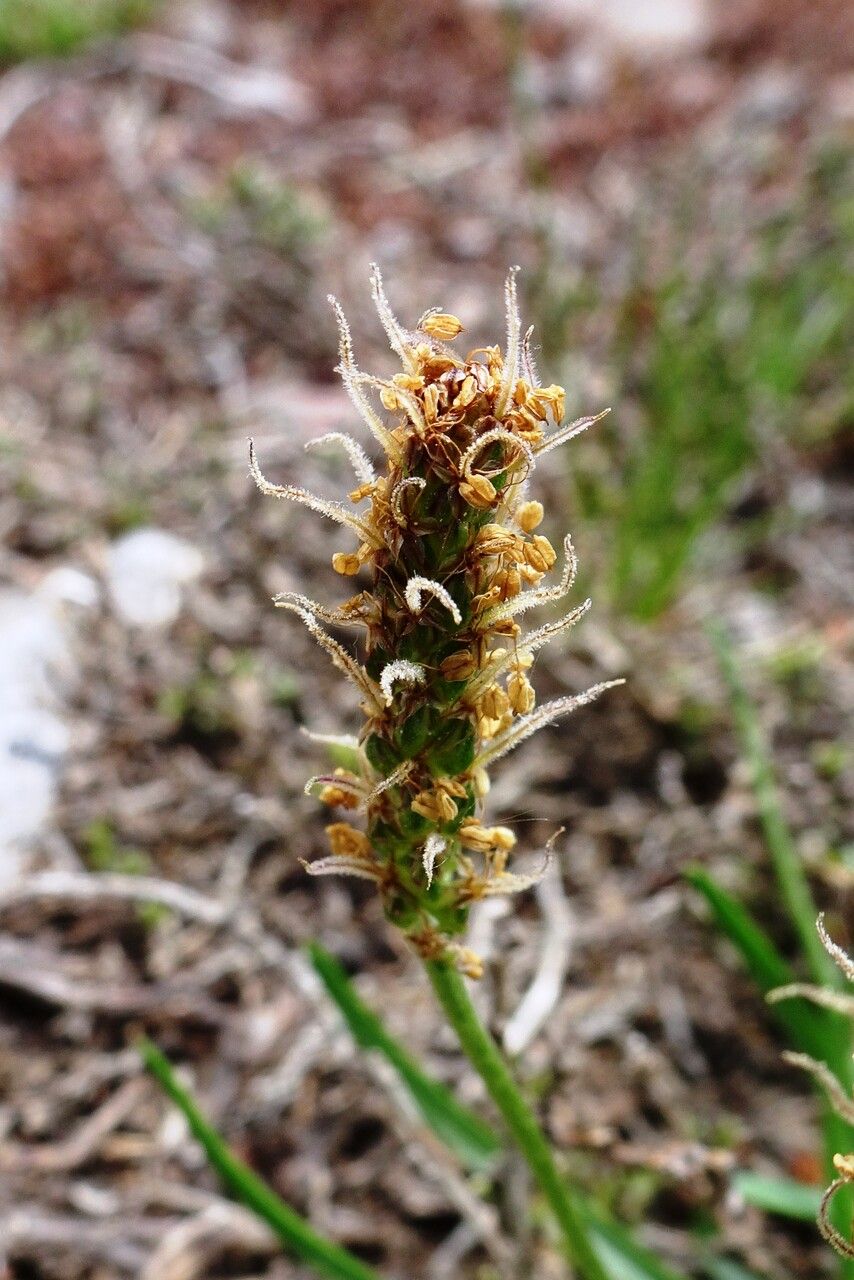
Conquering the Alps: Propagating the Alpine Plantain (Plantago alpina)
The Alpine Plantain (Plantago alpina) is a striking wildflower that graces the high-altitude meadows of the European Alps. With its bold, hairy leaves and delicate, white flower spikes, it’s a plant that captures the eye and the imagination. But beyond its beauty, Plantago alpina is also a fascinating plant to cultivate, and propagation is a way to enjoy its captivating charm in your own garden.
Understanding Plantago alpina’s Propagation Needs:
This alpine herb is a resilient plant, well-adapted to the harsh conditions of its natural habitat. However, when propagating, it’s important to understand its unique characteristics:
- Seed Propagation: Plantago alpina primarily reproduces through seeds, making it a good candidate for this method. However, germination can be slow and requires patience, especially with fresh seeds that often require cold stratification.
- Division: This method is generally not recommended for Plantago alpina. The plant prefers to grow in individual rosettes and dividing it can be disruptive.
- Growing Conditions: Mimicking the plant’s alpine environment is crucial for successful propagation. Well-drained, sandy soil with ample sunlight and cool temperatures are key to thriving plants.
Sowing Seeds:
- Timing is Key: The best time to sow Plantago alpina seeds is in spring or early autumn.
- Cold Stratification: Freshly harvested seeds benefit from cold stratification, a process that simulates the winter chill they experience in nature. Place the seeds in a damp paper towel or vermiculite within a sealed plastic bag and store them in the refrigerator for 4-6 weeks.
- Sowing: After stratification, sow the seeds thinly in a well-drained seed tray filled with a mixture of seed-starting mix and sharp sand. Cover them lightly with soil. Water regularly, keeping the soil moist but not soggy.
- Germination: Germination can take 1-3 months, so be patient. Once your seedlings emerge, gradually acclimatize them to outdoor conditions.
Caring for Young Plants:
- Sunlight Matters: Plantago alpina prefers full sun to partial shade. Find a spot in your garden that receives at least 6 hours of sunlight daily.
- Proper Drainage: Choose well-drained soil or amend your existing soil with sharp sand or grit to prevent waterlogging.
- Water Wisely: Water regularly during the establishment phase, but ensure the soil dries out slightly between waterings to prevent root rot.
- Patience is a Virtue: Growth can be slow initially, but with proper care, your seedlings will eventually mature into robust plants.
Challenges and Solutions:
- Slugs and Snails: These pests can damage seedlings and young plants. Protect your plants with copper tape, slug repellent or by handpicking them.
- Disease: Plantago alpina is generally resistant to diseases, but proper drainage and good air circulation will help prevent problems.
Enjoying Your Alpine Plantain:
Plantago alpina isn’t just a pretty face – it’s also a valuable addition to your garden. The flowers attract pollinators, the leaves are edible, and the plant’s medicinal properties have been recognized for centuries.
Bringing a Piece of the Alps Home:
Propagating Plantago alpina is a rewarding journey that allows you to connect with the wonders of the natural world. With patience, care, and a good understanding of its needs, you can enjoy the beauty and resilience of this alpine treasure in your own garden.