
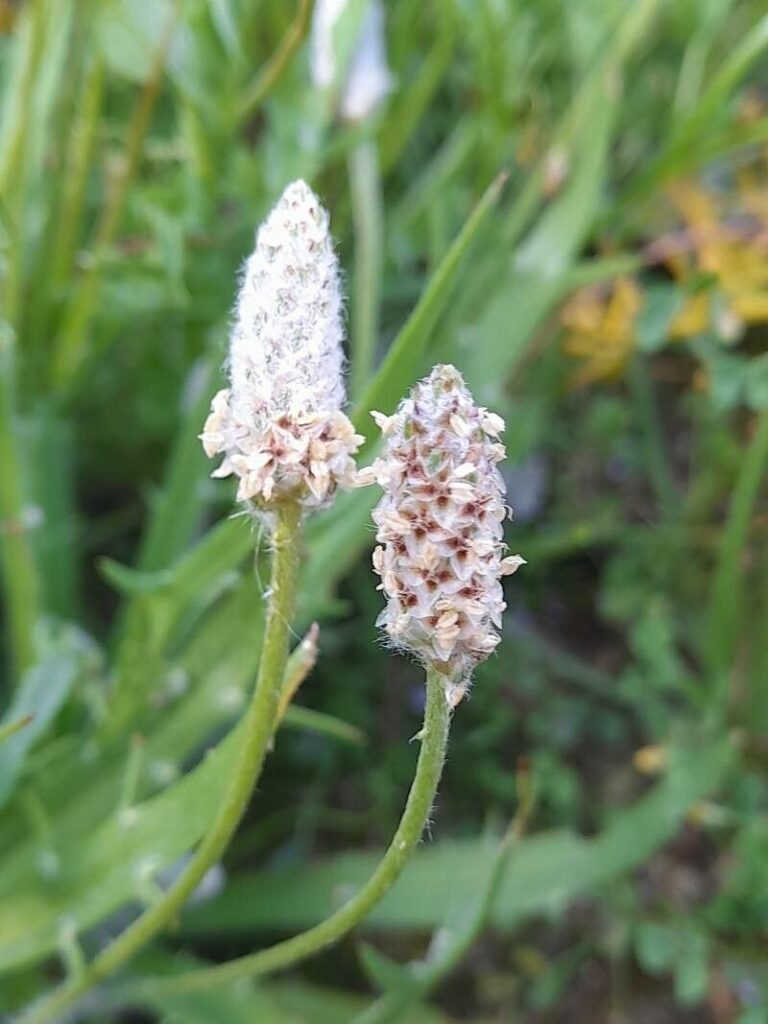
Seeding Success: A Simple Guide to Propagating Ribwort Plantain (Plantago notata)
Ribwort plantain (Plantago notata), often simply called ribwort, might sound like something out of a medieval apothecary. But this unassuming plant, with its distinctive ribbed leaves and slender flower spikes, offers more than just historical charm. Ribwort boasts a rich history of medicinal use and can even add a unique touch to your salads! Intrigued? Then why not try growing your own? This guide will demystify the propagation of Plantago notata, making it a breeze even for beginner gardeners.
Two Roads to Ribwort: Seeds and Divisions
Thankfully, propagating ribwort plantain doesn’t require a green thumb. You can choose between two simple methods:
1. Starting from Seed:
- Timing is Key: Ribwort seeds can be sown in both spring and fall. Spring sowing provides a longer growing season, while fall sowing allows the seeds to benefit from natural stratification (exposure to cold temperatures that aids germination).
- Preparing the Seedbed: Choose a sunny or partially shaded location with well-drained soil. Loosen the soil and remove any weeds or debris.
- Sowing the Seeds: Sprinkle the seeds sparingly on the soil surface, as they need light to germinate. Gently press them into the soil, ensuring good contact but avoiding burying them too deep.
- Water Wisely: Keep the seedbed consistently moist but not waterlogged. A fine mist spray bottle can be helpful to avoid disturbing the tiny seeds.
- Thinning the Herd: Once the seedlings emerge and have a few true leaves, thin them out to about 6-8 inches apart to prevent overcrowding.
2. Dividing Established Plants:
- When to Divide: Spring or early fall are the best times to divide ribwort plantain. Avoid dividing during the heat of summer.
- Digging Deep: Carefully dig up a mature plant, ensuring you get a good portion of the root system.
- Separation Anxiety: Gently tease apart the plant into smaller sections, each with a healthy clump of roots and leaves.
- Replanting Your Treasures: Replant the divisions at the same depth they were originally growing, ensuring good spacing between each plant. Water them in thoroughly.
Caring for your Ribwort:
Ribwort plantain is relatively low-maintenance. Here are some tips to ensure their success:
- Sunlight: While they prefer full sun, these plants can tolerate partial shade, particularly in hot climates.
- Water: Regular watering, especially during dry spells, will keep your ribwort happy. However, avoid overwatering, as they dislike soggy soil.
- Soil: Ribwort plantain isn’t picky about soil type but thrives in well-drained conditions.
- Pests and Diseases: These resilient plants are relatively pest and disease-free, giving you one less thing to worry about!
Reaping the Rewards:
Whether you choose to start from seed or propagate through division, you’ll be rewarded with a steady supply of this versatile plant. Harvest the young leaves for salads or enjoy the unique flavor they add to soups and stews. Remember, ribwort plantain also boasts numerous medicinal properties, traditionally used to soothe stings, cuts, and skin irritations.
So, why not invite this unassuming yet powerful plant into your garden? With minimal effort and the right knowledge, you’ll soon be enjoying the bounty of your very own ribwort plantain patch.