
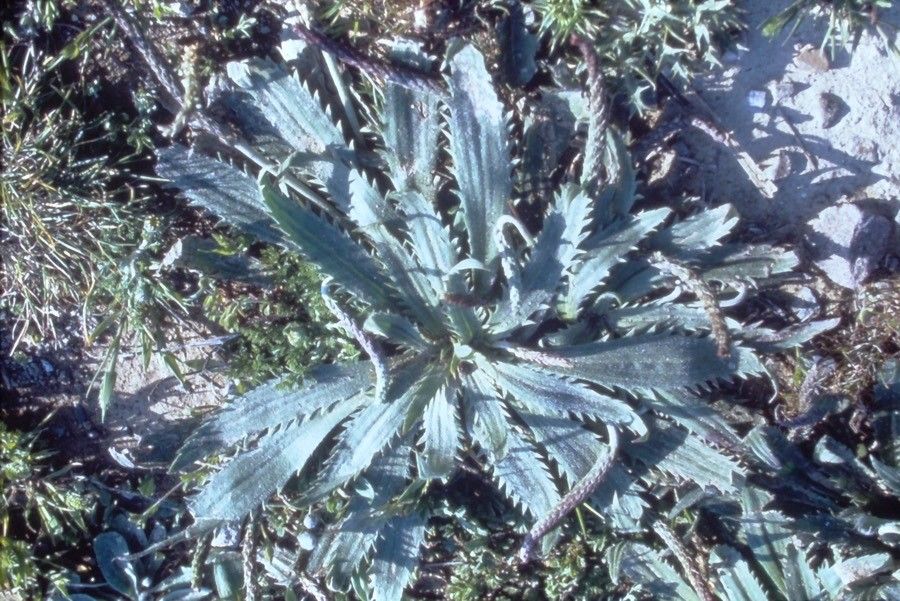
Serrated Plantain: A Propagation Guide for Growing More of this Underfoot Wonder
Plantago serraria, better known as serrated plantain, often goes unnoticed – quite literally! This resilient plant with its distinctive saw-toothed leaves thrives in compacted soils, making sidewalks, driveways, and lawns its common home. But did you know that this “weed” is actually a powerful medicinal plant with a rich history? And even better, it’s incredibly easy to propagate, allowing you to cultivate your own supply of this underfoot wonder.
Understanding Serrated Plantain’s Life Cycle
Before we delve into propagation, it’s helpful to understand how serrated plantain grows. This herbaceous perennial spreads both by seed and vegetatively. In spring and summer, it produces tall flower stalks adorned with tiny, inconspicuous flowers. These flowers give way to seed pods, each containing numerous tiny seeds. When the pods dry, they burst open, scattering the seeds with the wind or sticking to passing animals (and unsuspecting humans!).
Two Easy Methods for Propagating Serrated Plantain
1. Seed Propagation:
- Seed Collection: The best time to collect seeds is when the flower stalks begin to turn brown and the seed pods feel dry to the touch. Simply snip off the stalks and store them in a paper bag in a cool, dry place. The pods will continue drying and release the seeds.
- Seed Sowing: Serrated plantain seeds require light for germination, so sow them directly on the soil surface in spring or early fall. Choose a location with well-drained soil and either full sun or partial shade.
- Watering: Keep the soil consistently moist but not waterlogged until the seeds sprout, which usually takes 1-2 weeks.
2. Division:
- Division Time: Spring or fall is the ideal time for dividing established serrated plantain plants.
- Digging and Dividing: Carefully dig up a mature plant, ensuring you get as much of the root system as possible. Using a sharp knife or garden shears, divide the plant into smaller sections, each with healthy roots and leaves.
- Replanting: Replant the divisions in their new locations, ensuring the crown of the plant (where the roots meet the leaves) sits at soil level. Water thoroughly.
Tips for Success:
- Soil: Serrated plantain tolerates a wide range of soil types but prefers well-drained soil.
- Watering: While drought-tolerant once established, regular watering, especially during dry spells, encourages vigorous growth.
- Sunlight: Although it can handle some shade, serrated plantain thrives in full sun to partial shade.
- Pests and Diseases: This resilient plant has few pest or disease problems.
Harvesting and Enjoying Your Serrated Plantain:
Once your serrated plantain plants are established, you can begin harvesting the leaves for their medicinal benefits. The leaves are best picked young, before the flower stalks emerge, and can be used fresh or dried.
From soothing insect bites and skin irritations to potentially aiding digestion, serrated plantain offers a wealth of natural remedies. By following these propagation techniques, you can easily incorporate this remarkable plant into your own garden or backyard, reaping the benefits of this often-overlooked medicinal gem.