
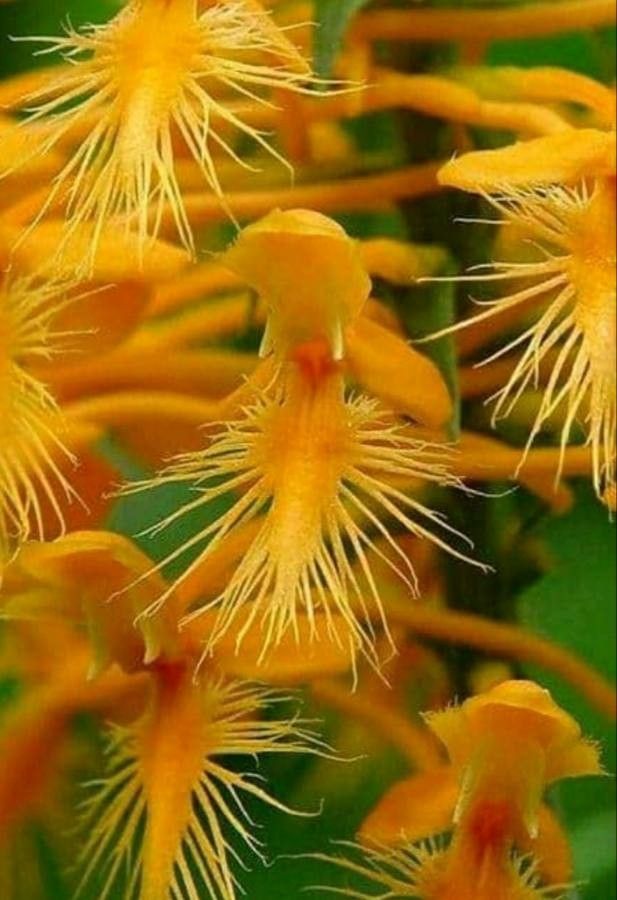
“The Orchid Whisperer’s Guide: Cultivating the Rare and Beautiful “Yellow Fringed Orchid”
The Yellow Fringed Orchid, scientifically known as Platanthera ciliaris, is a captivating wildflower that blooms in vibrant hues of yellow, a beacon of beauty in the summer landscape. This orchid holds a special place in the hearts of botanists and nature enthusiasts alike. But for passionate gardeners, the dream of cultivating this rare gem can seem daunting. Fear not! With a bit of patience and the right approach, you can bring the magic of the Yellow Fringed Orchid into your own backyard.
Seeds of Hope: The Challenge of Propagation
While the Yellow Fringed Orchid thrives in its natural habitat, propagating it at home can be a bit of a challenge. The seeds of this orchid are incredibly tiny and require specific conditions to germinate. They lack a food source, relying on symbiotic relationships with mycorrhizal fungi in the soil to obtain essential nutrients. This means that typical seed propagation methods often fall short.
The “Mycorrhizal Magic” Approach
The key to successful propagation lies in replicating the natural symbiosis between the orchid and the mycorrhizal fungi. Here’s what works best:
-
Partnering with Professionals: Contacting specialist nurseries that specialize in orchid propagation can be the most reliable way to get your hands on a Yellow Fringed Orchid. These nurseries have the expertise to cultivate orchids with the right fungi and provide the best possible start for your plant.
- The “In-Situ” Method: If you have access to a wild population of Yellow Fringed Orchids in a protected area, you can try collecting seed pods and sowing them directly into their natural habitat. While this method isn’t guaranteed, it offers the best chance of mimicking the symbiotic relationship with the resident fungi.
Cultivating Your New Orchid: A Gentle Touch is Key
Once you have your Yellow Fringed Orchid, remember these essential points:
-
Light and Shade: These orchids thrive in dappled sunlight, so choose a location that receives partial shade for the majority of the day.
-
Choosing the Right Habitat: The soil needs to be moist, acidic, and well-drained. A mix of peat moss, sand, and perlite can mimic the acidic environment of their natural habitat.
-
Watering Wisely: The soil should always be kept moist but never waterlogged. The plant needs a period of dormancy during the winter months, so reduce watering accordingly.
- Time for Bloom: It can take several years for your Yellow Fringed Orchid to reach maturity and produce flowers. Be patient!
Protecting Our Native Beauty
The Yellow Fringed Orchid is a vulnerable species, and its populations can be threatened by habitat loss and illegal collection. It’s crucial to support conservation efforts and only obtain these orchids from reputable sources.
A Vision of Beauty in Your Garden
Cultivating the Yellow Fringed Orchid may require a touch of patience and dedication, but the experience is truly rewarding. Witnessing this delicate flower emerge as a beacon of color in your garden is a testament to the magic of nature and the joy of nurturing rare beauty.