
From Seed to Shade: How to Propagate the Majestic Oriental Plane Tree
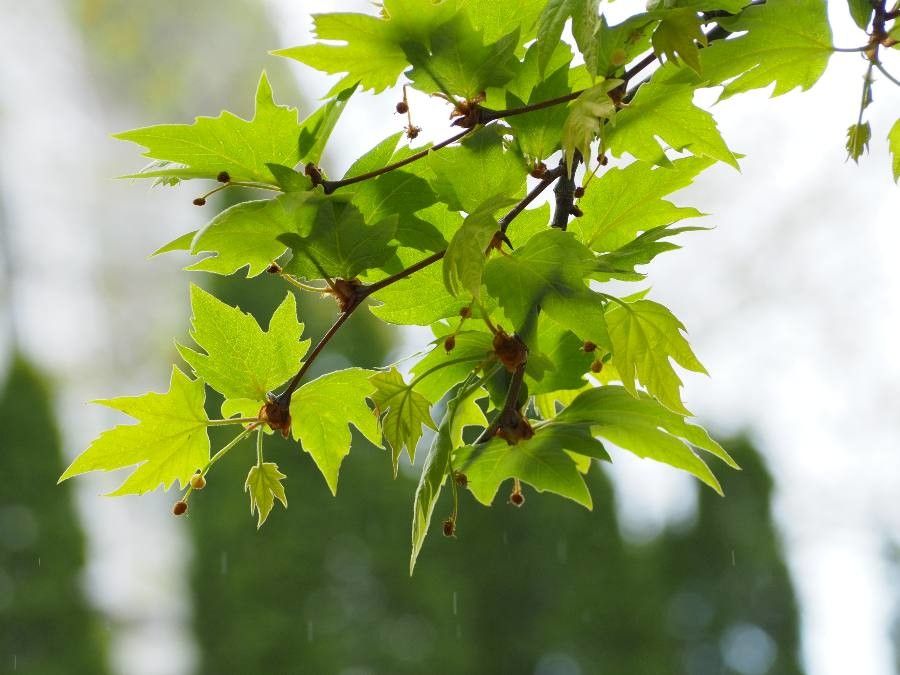
The Oriental Plane Tree (Platanus orientalis), with its sprawling branches and massive, leafy canopy, is a true statement piece in any landscape. These majestic trees offer welcome shade, vibrant foliage, and a long lifespan, making them a popular choice for parks, streetscapes, and even home gardens. But if you’re looking to grow your own Oriental Plane Tree, the question arises: how do you get started? The answer lies in the art of plant propagation.
Starting with Seeds:
The most common way to propagate Oriental Plane Trees is through seeds. These tiny, hairy seeds are dispersed by the wind from the tree’s distinctive ball-like fruit clusters, called syconia.
Here’s how to get started:
- Collect Seeds: Gather mature syconia in late autumn or early winter, just before they fully disintegrate.
- Prepare the Seeds: Let the syconia dry indoors for a few days. Once dried, gently rub the syconia to release the seeds.
- Stratification: Oriental Plane Tree seeds require a period of cold stratification to break dormancy. Mix the seeds with slightly damp sand or peat moss in a container or plastic bag, and store it in the refrigerator for 6-8 weeks.
- Sowing: After stratification, sow the seeds in shallow seed trays filled with a well-draining seed-starting mix. Keep the soil consistently moist and place the tray in bright, indirect sunlight.
- Germination: Germination usually occurs within 2-4 weeks. Once seedlings have a few true leaves, transplant them into individual pots or directly into the garden.
Alternative Propagation Methods:
While seed propagation is the most common method, for faster results you can also consider:
- Cuttings: Take semi-hardwood cuttings in late summer or early fall. Cut 6-8 inches in length, remove the lower leaves, and dip the cut end in rooting hormone. Plant the cuttings in a rooting medium with good drainage, keep consistently moist, and cover with a plastic dome to create a humid environment.
- Air Layering: This technique is suitable for larger branches. Choose a healthy, 1-year-old branch and carefully make a small slit in the bark. Fill the slit with rooting hormone and wrap it with damp sphagnum moss. Cover the moss with plastic wrap and secure it tightly. After several months, a new root system should form, and then you can cut the branch below the roots and plant it.
Considerations for Success:
- Soil: Oriental Plane Trees prefer well-drained soil with a neutral to slightly acidic pH.
- Location: Choose a sunny spot with ample space for the tree to grow.
- Watering: Water regularly, especially during the first few years after planting.
- Pruning: Prune in late winter or early spring to remove dead or crossing branches.
A Word on Disease Resistance:
Oriental Plane Trees are known for their resistance to many common tree diseases. However, they are susceptible to anthracnose, a fungal disease that can cause leaf spots and defoliation. Proper sanitation and good air circulation are essential to prevent this disease.
From Tiny Seed to Towering Giant
Propagating Oriental Plane Trees is a rewarding experience. With a little patience and the right care, you can enjoy the beauty and shade of these impressive trees for years to come. So, gather your seeds, choose your method, and embark on your own journey of growing these magnificent specimens. You will be amazed by the transformation from seed to a towering giant, creating a legacy of shade and beauty for future generations.