
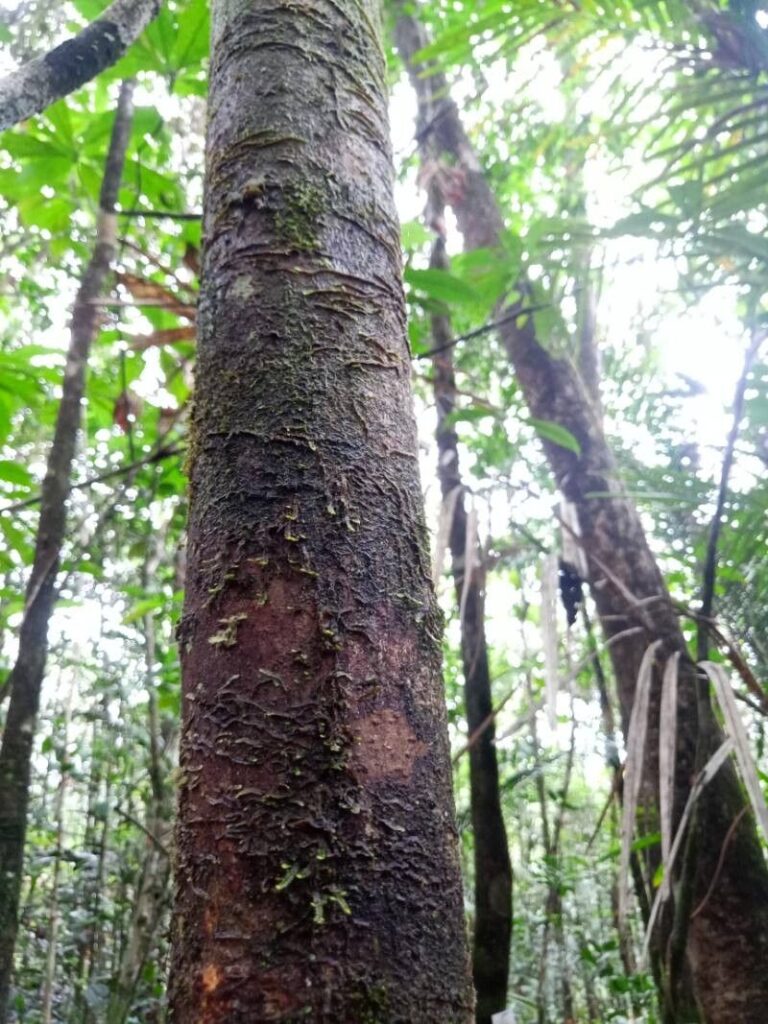
Unlocking the Secrets of the Bacuri: A Guide to Propagating Platonia Insignis
The Bacuri fruit, borne from the majestic Platonia insignis tree, is a treasure of the Amazon rainforest. Prized for its creamy, aromatic pulp, cultivating this tropical delight outside its native habitat can feel like a distant dream. Yet, with patience and the right knowledge, propagating Platonia insignis is an achievable feat for passionate gardeners and fruit enthusiasts alike.
Understanding the Bacuri’s Needs
Before diving into propagation methods, it’s crucial to understand the Bacuri’s preferences. Native to the Amazon Basin, this tropical evergreen thrives in warm, humid environments with ample rainfall. Mimicking these conditions is key to successful propagation.
Seeds: A Test of Patience
The most common propagation method is through seeds, extracted from the ripe, fragrant Bacuri fruit. However, patience is paramount. Here’s a step-by-step guide:
- Seed Extraction: Gently wash the pulp from the seeds, ensuring no fruit residue remains.
- Soaking: Soak the seeds in lukewarm water for 24-48 hours to enhance germination rates.
- Sowing: Plant the seeds about 1-2 inches deep in well-draining, nutrient-rich soil. A mix of peat moss, perlite, and vermicast is ideal.
- Environment: Maintain a consistently warm and humid environment for the seed tray. A heated propagator or covering the tray with a clear plastic dome can help retain moisture and heat.
- Patience: Germination is notoriously slow and erratic, ranging from a few weeks to several months. Don’t lose hope, and continue providing optimal conditions.
Important Note: Bacuri seeds have a short shelf life and germinate best when fresh.
Air Layering: A Faster, albeit Tricky, Route
Air layering offers a faster propagation method but requires more expertise. This technique encourages root development on a branch of a mature, healthy Bacuri tree:
- Choosing a Branch: Select a healthy, non-flowering branch about 1-2 inches in diameter.
- Girdling: Carefully make a 1-inch upward angled cut about 12 inches from the branch tip. Remove a thin ring of bark, exposing the cambium layer.
- Rooting Hormone (Optional): Applying rooting hormone to the exposed cambium can stimulate faster root development.
- Wrap and Secure: Enclose the wounded section with moist sphagnum moss and wrap it with plastic wrap, securing both ends tightly.
- Patience and Monitoring: Keep the moss consistently moist. It can take several weeks to months for roots to develop.
- Separation and Potting: Once a healthy root system is visible, carefully cut the branch below the wrapped section and pot it in well-draining soil.
Challenges and Rewards
Propagating Platonia insignis is not without its challenges. Slow germination rates, susceptibility to fungal diseases, and demanding environmental conditions are all factors to consider. However, the reward of nurturing this magnificent tree from seed or branch to eventually savor the exquisite Bacuri fruit is a deeply satisfying experience.
Patience, Passion, and the Promise of Bacuri
Propagating Platonia insignis requires dedication, but the journey, though slow, is incredibly rewarding. By following these guidelines and arming yourself with patience, you too can play a role in sharing the delight of this Amazonian treasure with the world.