
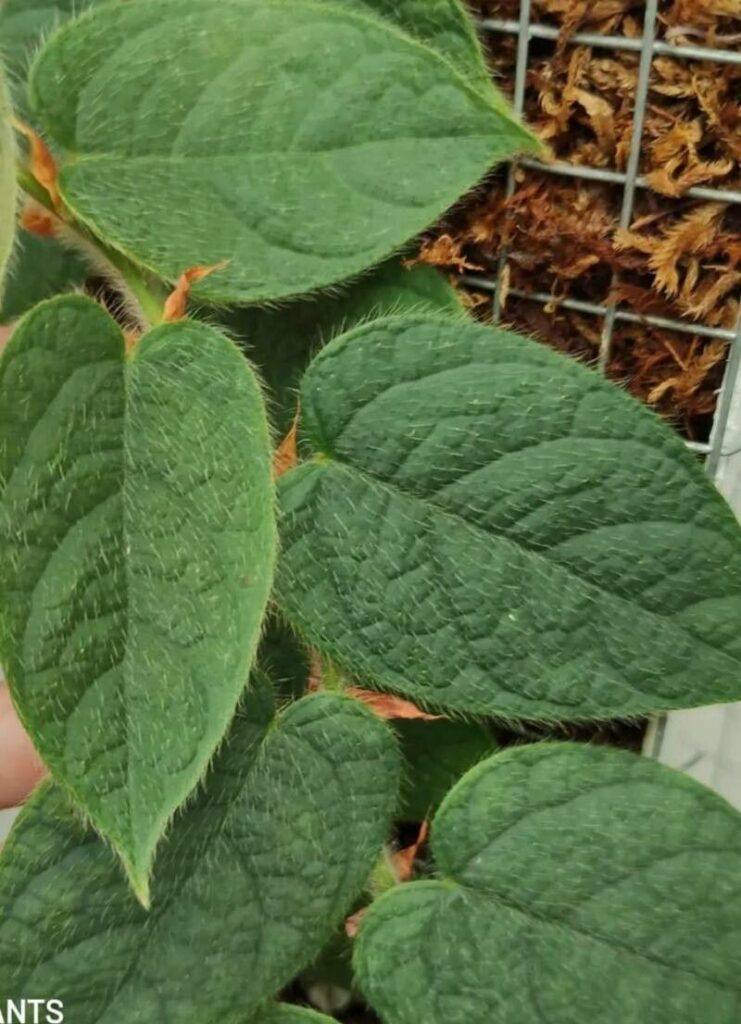
Unlocking the Secrets of Platylobium Formosum Propagation: A Guide to Growing Graceful Grooves
The "Graceful Grooves" (Platylobium formosum), with its intricately detailed, yellow and red pea-like flowers, is a true showstopper in any garden. Native to Australia, this stunning shrub is a favourite amongst those who appreciate unique blooms and vibrant colours. But did you know that propagating your own Graceful Grooves is an achievable feat even for gardening enthusiasts of all levels?
This comprehensive guide will unlock the secrets to successfully propagating Platylobium formosum, allowing you to expand your garden with these beauties or share the joy with fellow plant lovers.
Two Paths to Propagation:
While Platylobium formosum can be a bit stubborn when it comes to propagation, two methods consistently yield the best results:
-
Propagation from Cuttings:
This method involves encouraging a cut piece of the parent plant to develop roots and grow into a new, independent plant. Here’s a step-by-step breakdown:
- Timing is Key: The optimal time for taking cuttings is late spring or early summer when the plant is experiencing active growth.
- Select & Snip: Choose healthy, firm shoots that are not flowering. Using a clean, sharp pair of secateurs or a knife, cut a section about 10-15cm long, making the cut just below a leaf node (where the leaf attaches to the stem).
- Prepare the Cutting: Remove the leaves from the lower third of the cutting. To further encourage root development, dip the cut end in rooting hormone powder (optional but recommended).
- Potting Mix Matters: Use a well-draining propagation mix or create your own by combining equal parts peat moss and coarse sand. Moisten the mix before planting.
- Planting & Patience: Make a small hole in the potting mix and gently insert the cutting, ensuring at least one leaf node is below the soil surface. Water it in well and place it in a warm, brightly lit spot but away from direct sunlight.
- Humidity is Key: Cover the pot with a clear plastic bag or use a propagation dome to create a humid environment, which will help prevent the cutting from drying out.
- Monitor & Maintain: Check the soil moisture regularly and mist the cutting to maintain humidity. Rooting can take several weeks to a couple of months. You’ll know your cutting has rooted when you see new growth.
-
Propagation from Seed:
Although slightly less reliable than cuttings, propagating Platylobium formosum from seed offers a rewarding challenge.
- Seed Collection: Seeds are typically found in small, flattened pods that develop after flowering. Allow the pods to dry on the plant before collecting them.
- Seed Treatment: Platylobium formosum seeds have a hard coating that requires scarification to improve germination rates. This can be achieved by gently rubbing the seed coat with sandpaper or nicking it with a sharp knife.
- Sowing the Seeds: Plant the seeds in a seed-raising mix, covering them lightly with soil. Water them gently and place them in a warm, bright location.
- Germination Patience: Germination can be erratic and can take several weeks or even months.
Nurturing Your New Graceful Grooves:
Once your cuttings have rooted or your seeds have sprouted, it’s time to gradually acclimate them to outdoor conditions. This process, known as “hardening off,” involves slowly introducing them to sunlight, wind, and fluctuating temperatures over a week or two.
Platylobium formosum thrives in well-drained soil and prefers a sunny to partially shaded location. Regular watering is essential, especially during dry periods, but avoid overwatering, which can lead to root rot.
Propagating your own Graceful Grooves might require patience and a gentle touch, but the rewards are bountiful. By mastering these techniques, you can enjoy the captivating beauty of these Australian natives for years to come, and maybe even share the joy of propagation with fellow plant enthusiasts.