
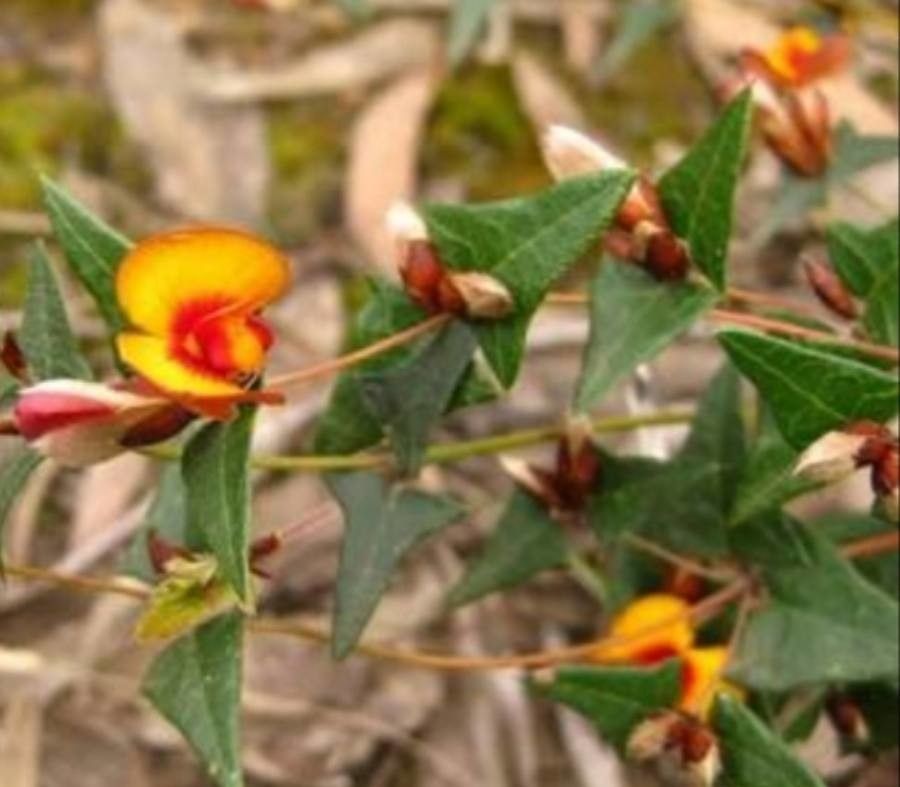
Taming the Dragon Bush: A Guide to Propagating Platylobium obtusangulum
The “Dragon Bush,” also known as Platylobium obtusangulum, is a quirky and captivating Australian native plant. With its dragon-shaped scarlet blooms and unusual foliage, it adds a touch of whimsy to any garden. But how do you bring this enchanting species into your own backyard? Let’s unlock the secrets to successfully propagating Platylobium obtusangulum.
Understanding the Dragon
Before embarking on your propagation journey, it’s essential to understand the plant itself. The Dragon Bush is a small to medium-sized shrub, typically reaching 1-2 meters in height. In its natural habitat, it prefers well-drained soils and thrives in sunny to partially shaded positions. This knowledge will guide your propagation efforts and set your future plants up for success.
Propagation Methods: Seeds vs. Cuttings
Two primary methods prove effective for propagating Dragon Bush:
1. Seed Propagation:
- Collection: Harvest mature seed pods in late spring or early summer. Pods turn brown and dry when ready.
- Treatment: The hard, black seeds benefit from pre-treatment. Nick the seed coat with a sharp knife or soak overnight in warm water.
- Sowing: Sow seeds in a well-draining seed raising mix, lightly covering them. Keep moist but not waterlogged.
- Germination: Be patient! Germination can be erratic, taking anywhere from a few weeks to several months.
Pros:
- Cost-effective.
- Allows for genetic diversity.
Cons:
- Can be slow and unpredictable.
- Requires patience and specific conditions.
2. Cutting Propagation:
- Timing: Take semi-hardwood cuttings in late spring or early autumn.
- Preparation: Select healthy stems, approximately 7-10cm long. Remove the lower leaves and wound the base slightly to encourage root formation.
- Rooting Hormone: Applying rooting hormone to the base of the cutting significantly increases success rates.
- Planting: Insert cuttings into a well-draining potting mix and maintain consistently moist conditions.
- Establishment: Rooting usually takes 6-8 weeks, after which you can transplant into individual pots.
Pros:
- Relatively faster than seeds.
- Produces plants identical to the parent.
Cons:
- Requires access to a healthy parent plant.
- Can be less successful than seed propagation depending on the time of year and care.
Caring for Your Propagated Plants
Once your seeds have successfully germinated or your cuttings have rooted, consistent care is key. Ensure your young Dragon Bushes receive:
- Adequate Sunlight: Aim for a minimum of 4-6 hours of sunlight per day.
- Well-draining Soil: Choose a potting mix specifically formulated for Australian native plants.
- Consistent Watering: Water deeply but infrequently, allowing the soil to dry out slightly between waterings.
- Protection from Frost: Young plants are susceptible to frost damage, so ensure adequate protection in cooler climates.
Conclusion
While the Dragon Bush (Platylobium obtusangulum) might sound intimidating, propagating this enchanting species can be a rewarding experience. Whether you choose the patience of seeds or the speed of cuttings, following these tips will help ensure your success. So, why not add a touch of Australian magic to your garden and give propagating this botanical dragon a try?