
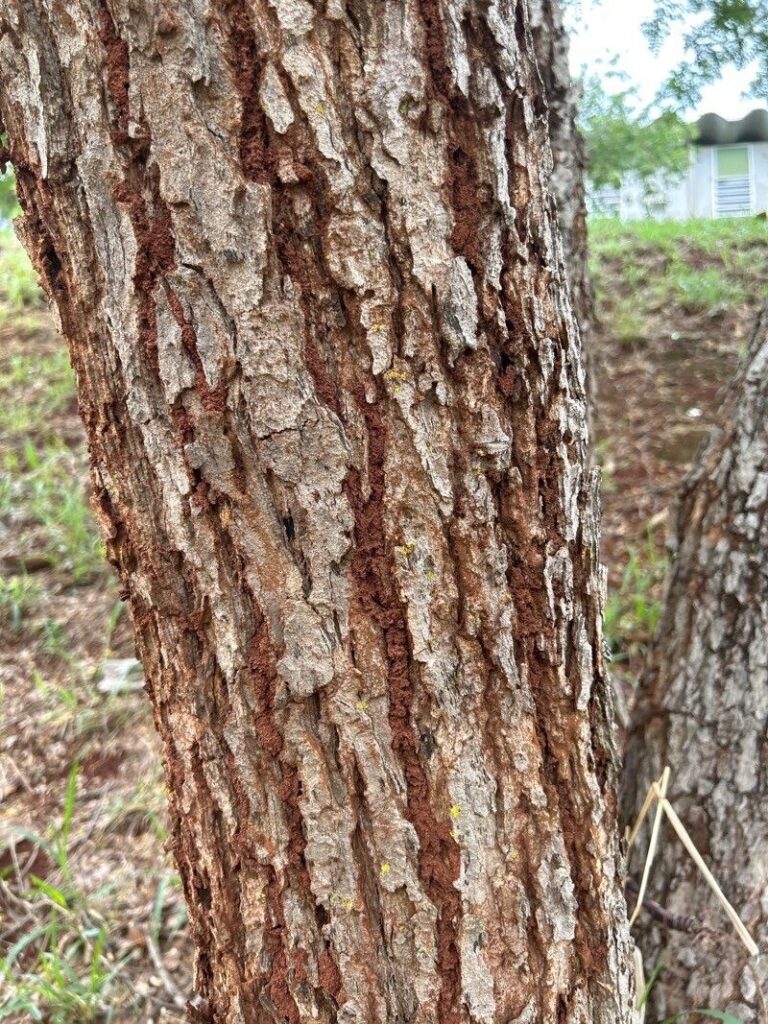
From Seed to Showstopper: Propagating the Elegant Platypodium
The Platypodium elegans, with its stunning, cascading flowers and unique, airy foliage, is a captivating plant that deserves a spot in any garden. But how do you bring this beauty into your own space? The answer lies in propagation – the art of creating new plants from existing ones.
Platypodium elegans can be propagated through both seeds and cuttings, offering you a choice based on your preferences and resources. Let’s explore both methods:
1. Starting from Seed:
- Collecting Seeds: The first step is obtaining fresh Platypodium elegans seeds. These can be purchased from reputable nurseries or seed banks, or collected from mature pods of the plant.
- Preparing the Seeds: Seeds should be gently cleaned of any clinging pulp and allowed to dry completely. You can then scarify the seed coat with a file or sandpaper to help with germination.
- Sowing the Seeds: Fill a seed tray with sterilized seed-starting mix and sow the seeds about ¼ inch deep. Keep the soil consistently moist and warm (around 75-80°F).
- Germination: Depending on the seed quality and conditions, germination can occur in a few weeks to several months.
- Transplanting: Once the seedlings have a few true leaves, they can be transplanted into individual pots with well-draining potting mix.
2. Taking Cuttings:
- Selecting Cuttings: The best time to take cuttings is during the spring or early summer, when the plant is actively growing. Choose healthy, non-flowering stems with at least 3-4 nodes.
- Preparing the Cuttings: Using a sharp knife or pruning shears, make clean cuts just below a node, removing any leaves below the cut. You can dip the base of the cutting in a rooting hormone for better chances of success.
- Planting the Cuttings: Fill a small pot with a rooting mix and make a hole in the center. Insert the cutting and firm the soil gently around the base. Keep the cuttings moist but not soggy and provide a humid environment, ideally in a propagator or with a plastic dome.
- Rooting: Platypodium elegans cuttings can take several weeks to root, but with proper care, you’ll notice new growth emerging from the base.
- Transplanting: Once the cuttings have developed a strong root system, they can be transplanted into larger pots or directly into the garden.
Tips for Success:
- Light and Temperature: Platypodium elegans thrives in warm, sunny conditions. When starting from seeds, ensure the tray receives adequate light, and while rooting cuttings, provide a warm environment with bright, indirect light.
- Watering: Water regularly but avoid overwatering, as this can lead to root rot. Allow the soil to dry slightly between waterings.
- Fertilizing: Once the seedlings or cuttings have established good roots, you can start fertilizing them with a balanced, liquid fertilizer diluted to half strength every few weeks during the growing season.
- Pests and Diseases: Be mindful of pests like mealybugs or aphids, and treat any signs of infestation immediately. Platypodium elegans is generally resistant to most serious diseases, but monitor for any fungal issues, especially with overwatering.
Propagating Platypodium elegans may require patience and effort, but the rewards are worth it. Witnessing the growth of these stunning plants from seed or cutting is an incredibly rewarding experience that allows you to share the elegance of this species with the world. So, grab your gardening gloves and get ready to bring a touch of tropical beauty to your own garden!