
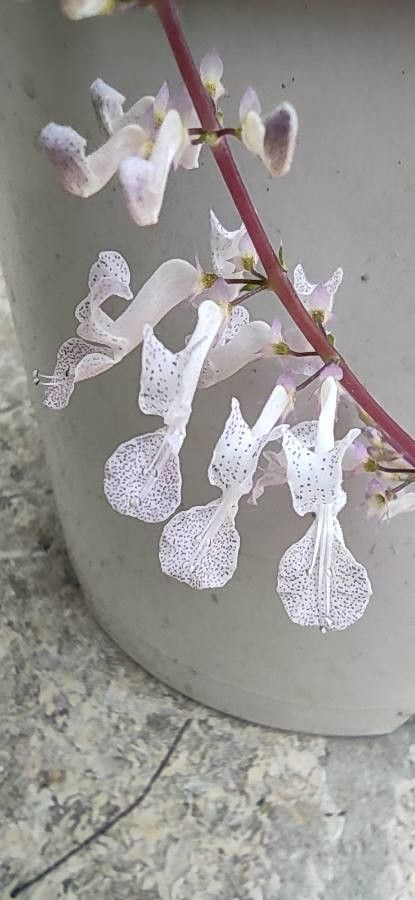
“Swedish Ivy” Made Easy: Propagating Your Plectranthus verticillatus Like a Pro
Are you smitten with the cascading beauty of Plectranthus verticillatus, commonly known as Swedish Ivy? This easy-care, fast-growing plant is a favorite for its trailing habit and lush, vibrant foliage. But did you know you can effortlessly multiply your collection of this beloved plant? Let’s explore how to propagate Plectranthus verticillatus and unleash a jungle of Swedish Ivy in your home (or garden!).
The Methods: Stem Cuttings are Your Best Friend
The most common and successful method for propagating Swedish Ivy is through stem cuttings. This technique leverages the plant’s inherent ability to sprout roots and develop into new, independent plants. Here’s a step-by-step guide:
- Choose Your Cuttings: Select healthy, non-flowering stems with at least two sets of leaves. Use clean, sharp scissors or a knife to take cuttings about 4-6 inches long.
- Prepare for Success: Remove the bottom leaves and make a clean cut just below a node (the point where leaves emerge). This encourages root development.
- Rooting Medium & Moisture: There are two popular choices for rooting your cuttings:
- Water: Place the cuttings in a glass of water, ensuring the cut end is submerged. Change the water every few days to prevent bacteria growth and promote healthy root development.
- Potting mix: This method is slightly more advanced but offers a faster transition to soil. Use a well-draining potting mix and place your cuttings in a small pot. Keep the soil lightly moist but avoid overwatering.
- Embrace the Light: To encourage root growth, place your cuttings in a bright, indirect light location. Avoid direct sunlight as it can scorch the cuttings.
- Patience is Key: Root development can take anywhere from a few weeks to a month. Regularly check water levels or the moisture of the potting mix to ensure your cuttings don’t dry out.
- New Life Begins: Once you’ve observed strong root growth (usually indicated by new leaves emerging), you can transplant your new Swedish Ivy plants into individual pots.
Beyond Stem Cuttings: An Alternative Approach
For a bolder challenge, you can explore propagation from leaf cuttings. While slightly less predictable, this method can be rewarding.
- Leaf Cutting Selection: Pick healthy, mature leaves and separate them from the stem with a sharp knife.
- Prepare the Leaf: Remove the bottom part of the leaf, leaving just the petiole (the stalk that connects the leaf to the stem).
- Root Formation: Place the petiole cuttings into a damp rooting medium (either water or potting mix) and let them sit in a bright, indirect light location.
- Patience in Action: Leaf cuttings can take longer to root than stem cuttings. Be prepared to wait for several weeks for signs of new growth.
Tips for Propagation Success:
- Use clean tools: Sterilize your scissors or knife with rubbing alcohol to prevent contamination.
- Avoid overwatering: Overwatering can lead to root rot, so only water when the rooting medium feels dry to the touch.
- Provide adequate humidity: A humid environment can encourage faster root growth. You can create a mini-greenhouse using a plastic bag or dome to increase humidity.
- Choose the right time: Spring and summer are ideal times for propagating Swedish Ivy, as the plant is actively growing and will readily form new roots.
The Rewards of Propagation
Propagating your Swedish Ivy isn’t just a fun and rewarding gardening activity; it’s a cost-effective way to create more plants and share your love of this beautiful foliage with friends and family. This simple technique opens up a world of possibilities for your indoor jungle, allowing you to create cascades of vibrant green throughout your home. So, grab your scissors, embrace your green thumb, and embark on your Swedish Ivy propagation journey today!