
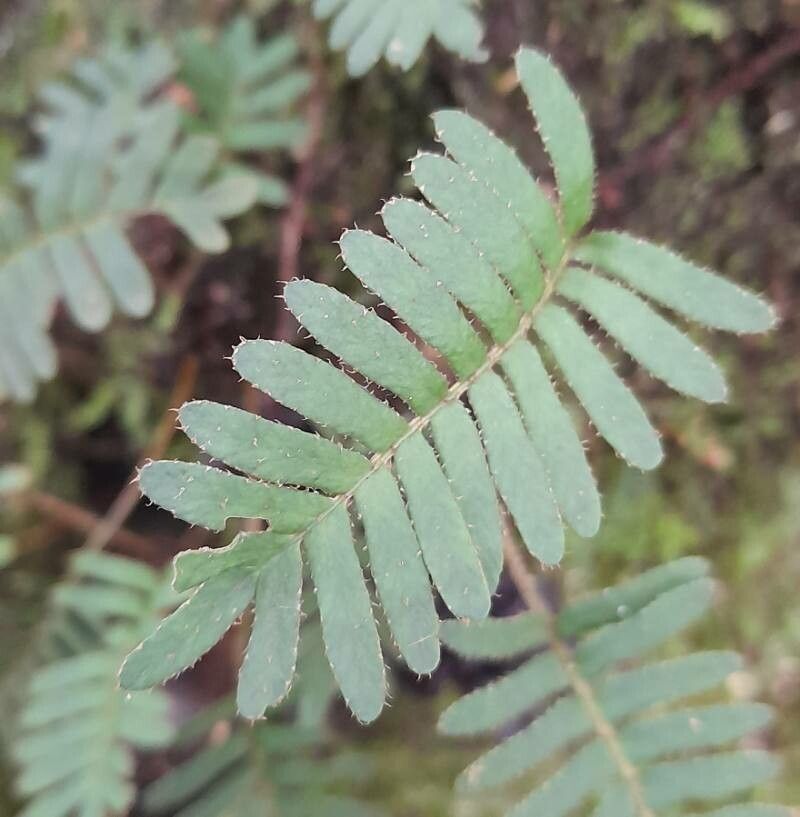
Tiny but Mighty: Propagating Your Pleopeltis minima (Mini Maidenhair Fern)
The Pleopeltis minima, also known as the Mini Maidenhair Fern, is a miniature marvel of the plant world. Its delicate, lace-like fronds add a charming touch to any indoor space. But what if you want to share this beauty with others, or simply grow more of this captivating fern?
The good news is, propagating Pleopeltis minima is relatively easy and you have a few options to choose from. Let’s explore these methods, giving you the power to grow your own little fern forest!
1. Spore Propagation: The Patient Gardener’s Choice
- The Process: Pleopeltis minima, like most ferns, reproduce through spores, tiny dust-like particles found on the underside of their fronds. While this method requires patience, it is a deeply rewarding experience.
- The Steps:
- Gather spores: Select healthy fronds with mature sporangia (brownish structures on the underside). Carefully scrape the spores off using a clean utensil.
- Prepare the medium: Use a sterile, fine-grained potting mix, like a blend of peat moss and perlite, for optimal drainage.
- Sow the spores: Sprinkle the spores evenly on the surface of the mix and mist lightly.
- Maintain humidity: Cover the container with a plastic dome or wrap to create a humid environment.
- Wait patiently: Keep the medium consistently moist and place the container in indirect light. Spore germination can take several weeks to months, so patience is key.
- Benefits: Spore propagation is an economical method and allows you to generate numerous new plants from a single fern.
2. Division: A Quick and Easy Route
- The Process: This method is ideal for established Pleopeltis minima with multiple crowns or rhizomes. It involves separating the plant into smaller portions, each with its own roots and foliage.
- The Steps:
- Gently divide: Carefully remove the plant from its pot and gently separate the crowns or rhizomes.
- Inspect and clean: Ensure each division has a healthy amount of roots and foliage. Remove any damaged or diseased portions.
- Repot: Plant the divisions in separate pots with well-draining potting mix.
- Water and care: Water thoroughly and place the pots in indirect light.
- Benefits: Division is a quicker and more accessible method compared to spore propagation.
3. Stem Cuttings: A Hybrid Approach
- The Process: While less common for Pleopeltis minima, this method involves taking cuttings from the stems and rooting them in a suitable medium.
- The Steps:
- Select healthy stems: Choose healthy stems with several leaves.
- Cut and prepare: Remove the bottom leaves and make a diagonal cut at the base of the stem.
- Root in water or soil: Root the cuttings in water, ensuring the base is submerged. Alternatively, plant them in a rooting hormone-treated mixture of peat moss and perlite.
- Maintain humidity: Cover the container with a plastic wrap to keep the humidity levels high.
- Patience and care: Provide indirect light and regular misting. Rooting may take a few weeks.
- Benefits: Offers a mid-ground between spore propagation and division in terms of speed and complexity.
Important Tips for Success:
- Ideal growing conditions: Provide indirect light, consistent moisture, and well-drained potting mix to encourage healthy growth in your propagated plants.
- Avoid overwatering: Always allow the soil to dry slightly between waterings to prevent root rot.
- Choose the right time: Division is best done during the active growing season (spring and early summer) while spore propagation can be initiated throughout the year.
Whether you are a seasoned plant enthusiast or just starting your horticultural journey, propagating Pleopeltis minima is a rewarding experience. Choose the method that suits your preference and skill level, and enjoy the joy of growing your own miniature fern forest!