
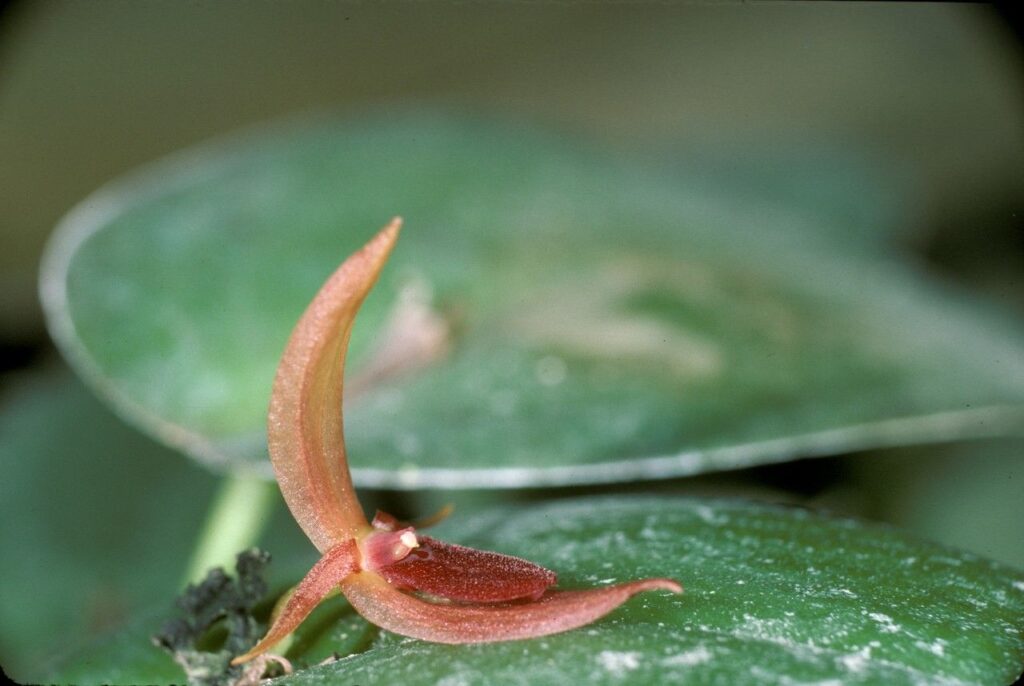
Tongue Tied No More: Mastering Pleurothallis Linguifera Propagation
The Pleurothallis linguifera, fondly nicknamed the “Tongue Orchid” for its unique, tongue-shaped blooms, is a fascinating miniature marvel in the orchid world. Its intriguing appearance and relatively easy care requirements make it a coveted addition to any orchid enthusiast’s collection. But what about expanding that collection? Don’t worry, you won’t need to master any complex horticultural acrobatics! This guide dives deep into the surprisingly achievable world of Pleurothallis linguifera propagation.
Understanding the Basics
Before we delve into the how-to, let’s understand what makes this orchid tick. The Pleurothallis linguifera, native to the rainforests of Central and South America, is an epiphyte. This means it naturally grows on other plants, typically trees, deriving moisture and nutrients from the air and rain. Understanding this epiphytic nature is key to replicating its ideal growing conditions for successful propagation.
Two Paths to Propagation: Division and Back Bulbs
There are two primary methods for propagating your Pleurothallis linguifera:
1. Division:
- The Best Time: Spring, just as the plant begins its active growth period, is the ideal time for division.
- What You Need: A sterilized cutting tool (scissors or shears), a pot slightly larger than the division, and a well-draining orchid potting mix (sphagnum moss, bark chips, and perlite work well).
- The Process:
- Gently remove the orchid from its pot.
- Identify a healthy section with at least 3-4 mature pseudobulbs (the thickened stem-like structures) and a good root system.
- Carefully separate this section using your sterilized tool.
- Plant the division in the new pot, ensuring the base of the pseudobulbs is level with the potting mix.
2. Back Bulbs:
- The Advantage: This method utilizes seemingly dormant “back bulbs,” those older, leafless pseudobulbs on your plant.
- What You Need: A shallow tray, sphagnum moss, and humidity dome (or a clear plastic bag).
- The Process:
- Carefully remove any dried sheaths covering the back bulbs.
- Place the bulbs in the tray on a bed of moist (not soggy) sphagnum moss.
- Cover the tray with the humidity dome or plastic bag to maintain moisture.
- Place the tray in a warm, bright location, out of direct sunlight.
- Patience is Key: Back bulbs can take several months to sprout new growth. Keep the moss consistently moist and be patient; the reward of a brand new plant is worth the wait!
Post-Propagation Care
Whether you’ve divided your plant or opted for back bulb propagation, the following care tips are crucial for success:
- Light: Provide bright, indirect light. A north or east-facing window is usually ideal.
- Water: Water thoroughly when the potting mix approaches dryness. Avoid overwatering, which can lead to root rot.
- Humidity: Pleurothallis linguifera appreciates humidity levels around 60-70%. Consider using a humidifier, pebble tray, or grouping it with other humidity-loving plants.
- Fertilizer: Use a diluted orchid fertilizer every other week during the active growing season (spring and summer).
Propagation: A Rewarding Journey
Successfully propagating your Pleurothallis linguifera is a deeply rewarding experience. It’s a testament to your plant parenting skills and allows you to share the joy of this unique orchid with others. So, don’t be tongue-tied by fear, embrace the adventure, and watch your orchid collection flourish!