
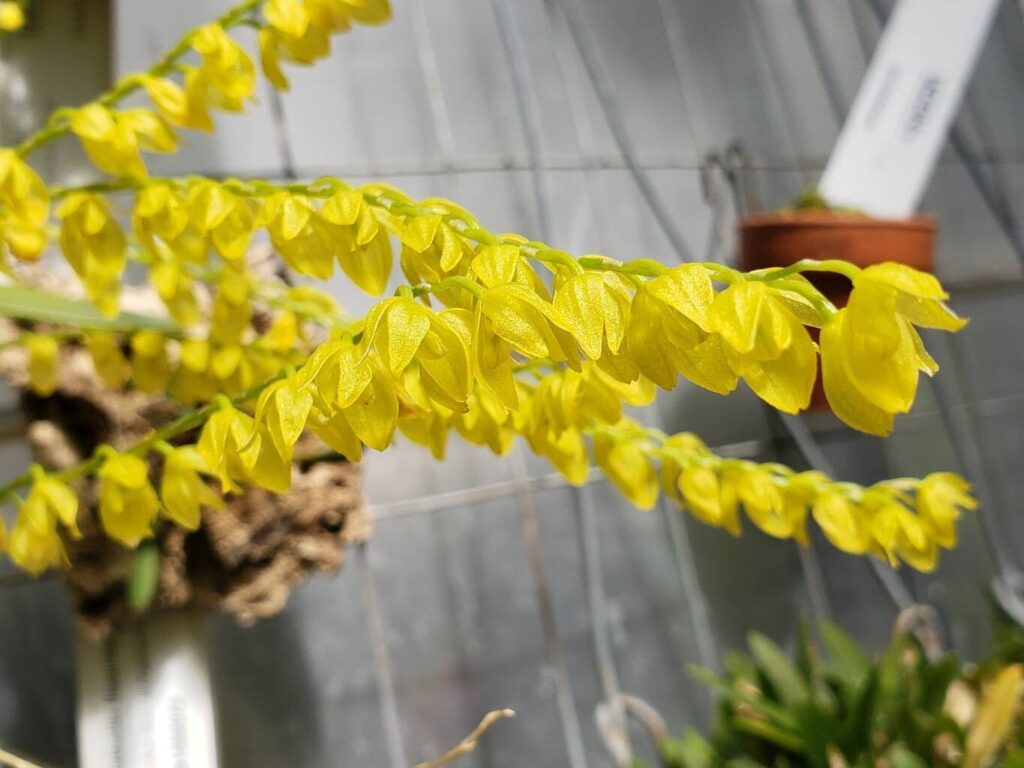
Propagating Pleurothallis quadrifida: A Gardener’s Guide
Pleurothallis quadrifida, sometimes called the "Four-lobed Pleurothallis," is a captivating miniature orchid prized for its intricate, often densely packed, inflorescences bearing numerous tiny flowers. Its diminutive size and the profusion of its blooms make it a highly sought-after addition to any orchid collection, contributing to its popularity among hobbyists and enthusiasts. However, propagating this charming orchid presents some unique challenges. Its inherent miniaturization influences its propagation methods, demanding patience and precision.
Seed Germination:
Currently, there are no known reliable methods for seed germination propagation of Pleurothallis quadrifida. Orchid seeds, including those of Pleurothallis species, are dust-like and lack endosperm, requiring a symbiotic relationship with specific mycorrhizal fungi for germination. Establishing this symbiotic relationship in a controlled environment is extremely difficult and has not been successfully achieved for this specific species. Therefore, seed germination is not a practical propagation method for the average home grower.
Cuttings:
Cuttings are also generally not successful for Pleurothallis quadrifida. Unlike some orchid genera that readily propagate from stem cuttings, this species doesn’t easily produce new growth from stem sections. Attempts at vegetative propagation via cuttings typically result in rotting before root formation can occur.
Division:
Division is the most commonly used and, arguably, the most reliable method for propagating Pleurothallis quadrifida. This involves carefully separating established plants into smaller, self-sufficient divisions, each possessing healthy roots and several pseudobulbs.
Challenges: The biggest challenge with division lies in ensuring each division has a sufficient root system to support its growth. Severely disturbing the root system can lead to plant stress and mortality. Furthermore, Pleurothallis quadrifida often grows compactly, making separation without damaging the delicate roots difficult.
Practical Tips: Sharp, sterile instruments are crucial to minimize trauma. Division should ideally be performed during the active growing season, after a recent flowering period, when the plants are robust. Each division should be potted in a well-draining, moisture-retentive medium suitable for orchids, allowing ample space for new root growth.
Rewards: The reward for successful division is the relatively rapid establishment of new plants, preserving the genetic characteristics of the mother plant.
Tissue Culture:
Tissue culture offers the potential for large-scale propagation of Pleurothallis quadrifida, bypassing the limitations of other methods. This sophisticated technique involves growing plant tissues in a sterile, nutrient-rich medium under controlled conditions.
Challenges: Tissue culture requires specialized equipment, a sterile lab environment, and significant expertise. It’s not a practical method for the average hobbyist. Establishing sterile conditions and selecting appropriate nutrient formulations specific to Pleurothallis quadrifida are key challenges. Contamination can easily ruin an entire culture.
Practical Tips: This method is best left to specialized labs or experienced orchid propagators with access to the necessary resources.
Rewards: Tissue culture offers the potential for mass production of genetically identical plants, allowing for wider distribution and preservation of rare or desirable cultivars.
Conclusion:
Propagating Pleurothallis quadrifida presents a unique set of challenges. While seed germination and cuttings are currently impractical, division offers a viable and relatively accessible method for home growers. Tissue culture, although requiring specialist knowledge and resources, promises the most significant potential for larger-scale propagation. Ultimately, the rewarding aspect of successfully propagating this miniature orchid lies not only in expanding your collection but also in overcoming the difficulties inherent in its nature. The patience and precision required cultivate a deep appreciation for the delicate beauty of this exquisite plant, resulting in immense satisfaction from seeing new plants thrive under your care. For aspiring propagators, remember that patience and meticulous care are key to success with this challenging, yet rewarding, species.