
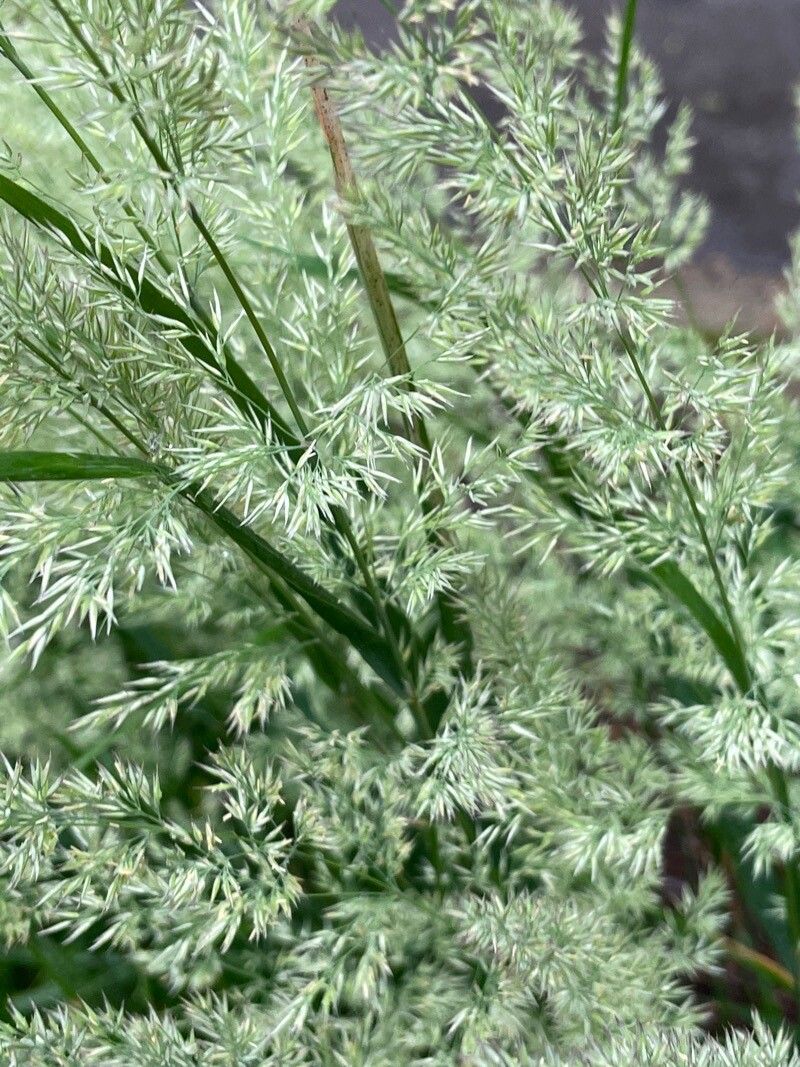
From One to Many: The Simple Guide to Propagating Texas Bluegrass
Texas bluegrass (Poa arachnifera), a perennial grass species known for its beautiful blue-green foliage and excellent wear tolerance, is a popular choice for lawns and landscapes. But what if you could create a lush expanse of Texas bluegrass from just a few cuttings? This article explores the straightforward methods of propagating Texas bluegrass, empowering you to grow your own thriving turf.
The Basics of Propagation
Plant propagation is the process of creating new plants from existing ones. It involves creating new roots and shoots from a parent plant, either through specialized structures like seeds or by utilizing stem or root sections. Texas bluegrass can be propagated using two primary methods:
- Seed Propagation: This is the traditional method of growing Texas bluegrass. Seeds are sown directly into the ground, germinate, and develop into new plants.
- Vegetative Propagation: This method involves creating new plants from plant parts other than seeds. It often involves using divisions or cuttings to establish new individuals.
Vegetative Propagation Methods for Texas Bluegrass
While seed propagation is common, vegetative propagation offers faster growth and ensures preservation of existing desirable traits. Three main methods are commonly used for vegetatively propagating Texas bluegrass:
Division: This method involves separating a mature clump of Texas bluegrass into smaller sections, each containing roots and foliage. These divisions are then planted in new locations. Division is a simple process, requiring minimal specialized tools and resources.
Stem Cuttings: Cuttings taken from healthy stalks of Texas bluegrass can be used to generate new plants. Trim 3-4 inches of stem, ensuring a section with at least one node (a point where leaves or roots emerge). Remove lower leaves and bury the cutting in a sterile potting mix. Keep the cutting moist and in adequate light.
- Stolons: Texas bluegrass forms stolons, horizontal stems that grow along the ground and produce new roots and shoots. These stolons can be used to propagate the plant. Carefully detach a stolon from the parent plant, ensure it has rooted sections, and plant it in a new location.
Factors for Success
No matter which method you choose, there are some crucial factors to consider for successful Texas bluegrass propagation:
- Timing: Spring and early summer are ideal for vegetative propagation, as temperatures are suitable for root and shoot development.
- Soil: Use well-draining soil that remains moist but not waterlogged. A soil pH between 6.0 and 7.0 is optimal.
- Light: Provide adequate light, preferably in a sunny location with at least 6 hours of direct sunlight daily.
- Water: Keep the newly planted divisions, cuttings, or stolons consistently moist, providing regular watering to encourage root growth.
Conclusion
Propagating Texas bluegrass is a rewarding experience, allowing you to expand your lawn or introduce this resilient grass to new areas. Whether you choose the traditional seed method or explore the speed and simplicity of vegetative propagation, the techniques are straightforward and accessible for any avid gardener or homeowner. With proper care and attention, you’ll soon enjoy a lush expanse of Texas bluegrass, adding vibrancy and beauty to your landscape.